
Governance NFT 2026: The On-Chain Reality
In 2026, governance NFTs (often called Soulbound Tokens or SBTs) have shifted from speculative collectibles to functional voting instruments. The core utility is simple: one token equals one vote, but unlike fungible governance tokens, these NFTs cannot be sold or transferred. This design prevents wealthy whales from buying influence and ensures that voting power remains tied to actual participation or identity rather than capital.
The primary advantage is security and accountability. Because these tokens are non-transferable, they eliminate the risk of vote selling or coercion through market transactions. DAOs use them to verify that voters are real humans or verified entities, reducing bot attacks and sybil resistance. This model aligns voting power with long-term commitment rather than short-term financial speculation.
However, this rigidity introduces trade-offs. If a user loses their private keys or the underlying platform changes its infrastructure, their governance rights can be permanently locked. Additionally, the lack of liquidity means these tokens hold no resale value, which can deter early adopters who prefer the flexibility of fungible tokens. Despite these hurdles, major DAOs are adopting this standard to ensure more democratic and stable decision-making processes.
Governance NFT Tradeoffs in 2026
As governance NFTs mature from speculative collectibles into essential infrastructure, the choice of implementation dictates a project’s longevity and legal resilience. In 2026, the primary tradeoff is no longer about hype, but about the tension between decentralized autonomy and regulatory compliance. Projects must decide how they balance on-chain transparency with real-world asset (RWA) integration, a move that brings both institutional capital and significant legal scrutiny.
The core decision involves selecting a governance model that aligns with your risk profile. Traditional fungible token governance allows for easy liquidity but often leads to whale dominance. Non-fungible governance (1 NFT = 1 vote) offers more equitable participation but can suffer from low liquidity and complex transferability. Meanwhile, hybrid models attempt to merge these benefits but introduce technical overhead that can slow down critical DAO decisions. Understanding these structural differences is essential before committing to a standard.
| Feature | Pure Fungible Token (ERC-20) | Non-Fungible Governance (ERC-721/1155) | Hybrid / Soulbound (SPL/ERC-5192) |
|---|---|---|---|
| Voting Power | Proportional to holdings (Whale-heavy) | One NFT = One Vote (Equitable) | Based on tenure/identity (Stable) |
| Liquidity | High (Easy to sell votes) | Medium (NFT marketplaces) | Low/None (Non-transferable) |
| Regulatory Risk | High (Security token concerns) | Medium (Collectible vs. Security) | Low (Membership/Access model) |
| Sybil Resistance | Low (Easy to create wallets) | Medium (Requires unique metadata) | High (Identity-bound) |
| RWA Integration | Complex (Requires legal wrappers) | Direct (Token represents asset share) | Indirect (Access to asset rights) |
Beyond the technical structure, the integration of Real-World Assets introduces a layer of legal complexity that pure crypto projects often underestimate. When an NFT represents a share in a physical asset or a revenue stream, it crosses the threshold into securities territory in many jurisdictions. This requires robust legal wrappers and clear disclosure mechanisms, which can limit the global reach of the DAO. Projects that ignore this tradeoff risk regulatory shutdowns, while those that over-comply may stifle the very decentralization they seek to achieve.
The market reality in 2026 reflects this shift. Speculation-driven NFTs are fading, with users demanding tangible utility such as access, certification, or identity verification. This means that governance NFTs must now demonstrate clear, ongoing value beyond voting rights. If the governance process does not materially impact the underlying asset or community benefit, the NFT’s value will erode. Investors and participants are increasingly cautious, preferring projects that offer a clear path from digital governance to real-world outcomes.
To navigate these tradeoffs, projects should start with a clear definition of their governance goals. If equity and broad participation are priorities, non-fungible models offer a stronger foundation. If liquidity and ease of entry are critical, fungible tokens may be more suitable, provided safeguards against whale dominance are in place. For projects dealing with sensitive RWAs, soulbound or identity-bound tokens provide the regulatory clarity needed to operate legally. Each choice carries distinct implications for community dynamics, legal exposure, and long-term viability.
| Feature | Fungible (ERC-20) | NFT (ERC-721) | Hybrid/Soulbound |
|---|---|---|---|
| Voting Power | Proportional to holdings | One NFT = One Vote | Based on tenure/identity |
| Liquidity | High | Medium | Low/None |
| Regulatory Risk | High | Medium | Low |
| Sybil Resistance | Low | Medium | High |
| RWA Integration | Complex | Direct | Indirect |
How to Choose Your Next Governance NFT Standard
Selecting a governance NFT standard is no longer about picking the most popular collection. It is a structural decision that determines how your DAO votes, who holds power, and how your assets interact with real-world value. The 2026 landscape favors standards that prioritize security and regulatory clarity over speculative hype. Use this framework to evaluate your options.
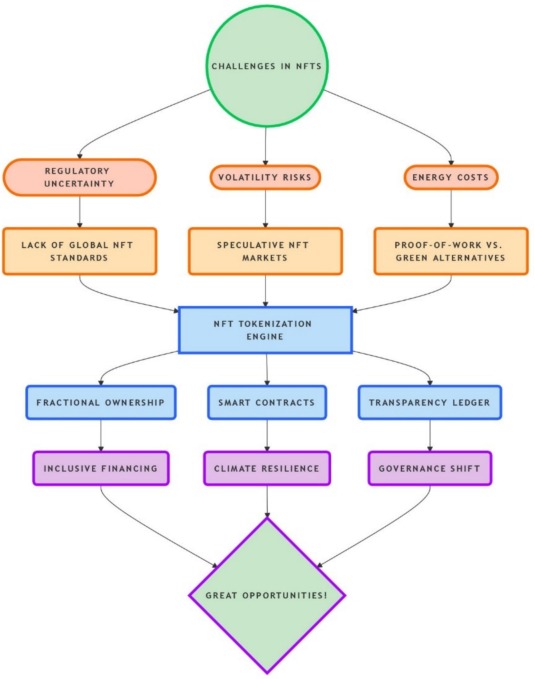
Determine if your DAO needs one-token-one-vote or quadratic voting. NFT-driven governance typically uses a 1 NFT = 1 vote model, which concentrates power in large holders. If you aim for broader participation, choose standards that support soulbound tokens (SBTs) or non-transferable governance rights to prevent vote buying.
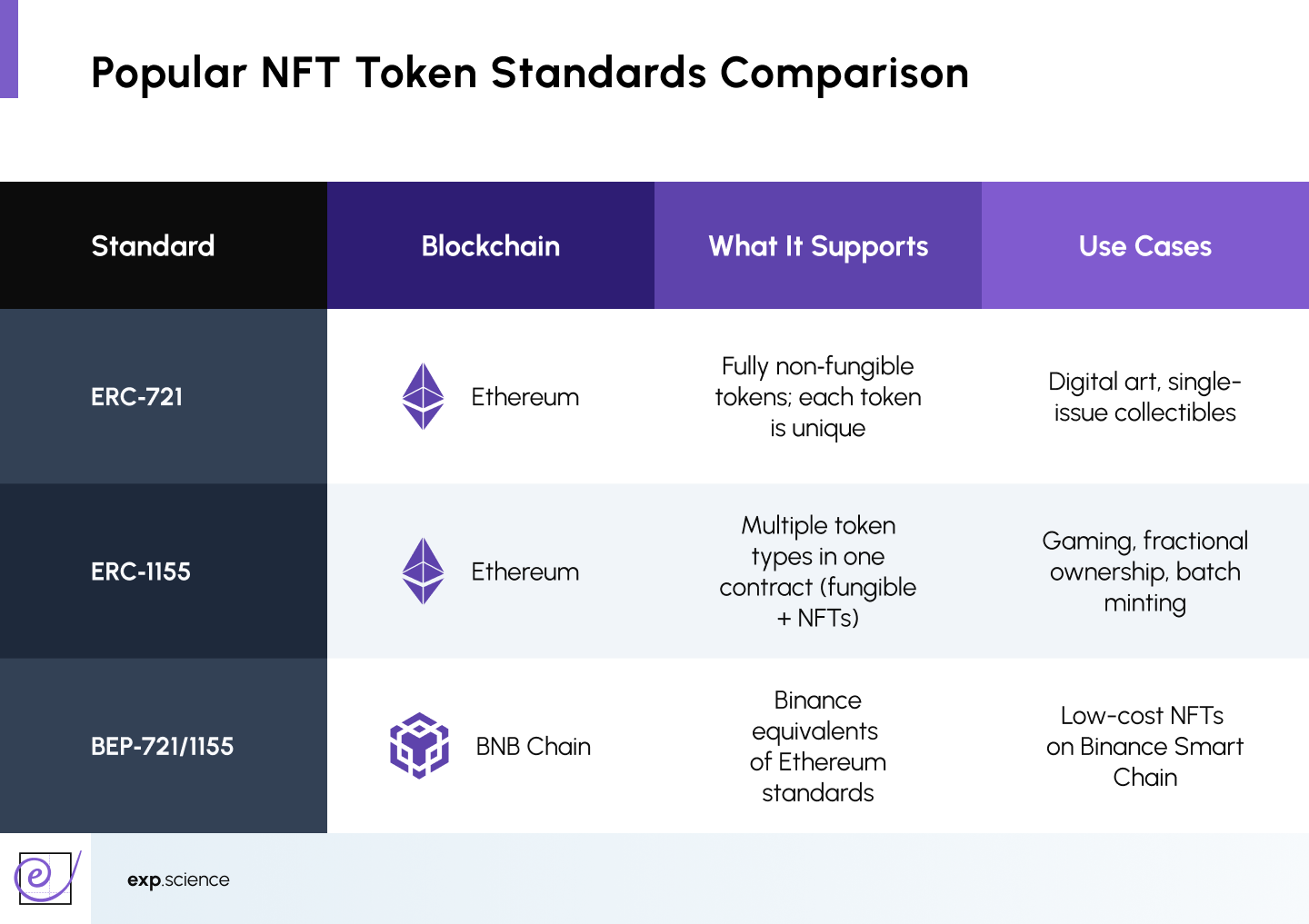
Real-world asset (RWA) integration requires strict compliance. If your DAO holds real estate or treasury bonds, ensure your NFT standard supports KYC/AML checks. Avoid public, permissionless standards if you operate in jurisdictions with heavy securities laws, such as the EU or China, where state-backed infrastructure may override decentralized norms.
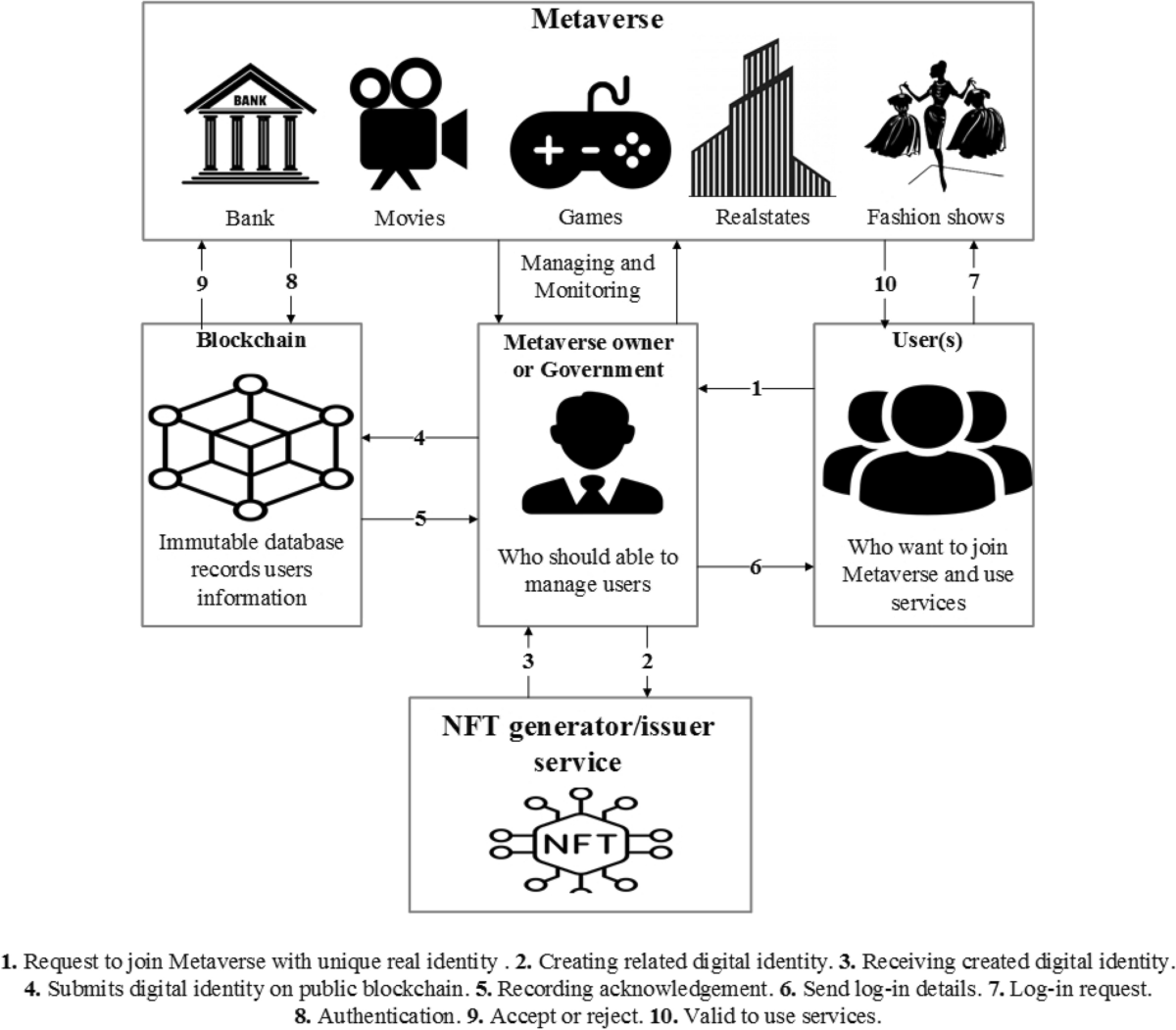
Choose between ERC-721 for unique assets and ERC-1155 for multi-token efficiency. ERC-721 is the industry standard for distinct governance rights. ERC-1155 is better if you issue multiple tiers of membership or voting power within a single contract. Ensure your chosen standard is compatible with your preferred blockchain’s governance tools, such as Snapshot or Tally.
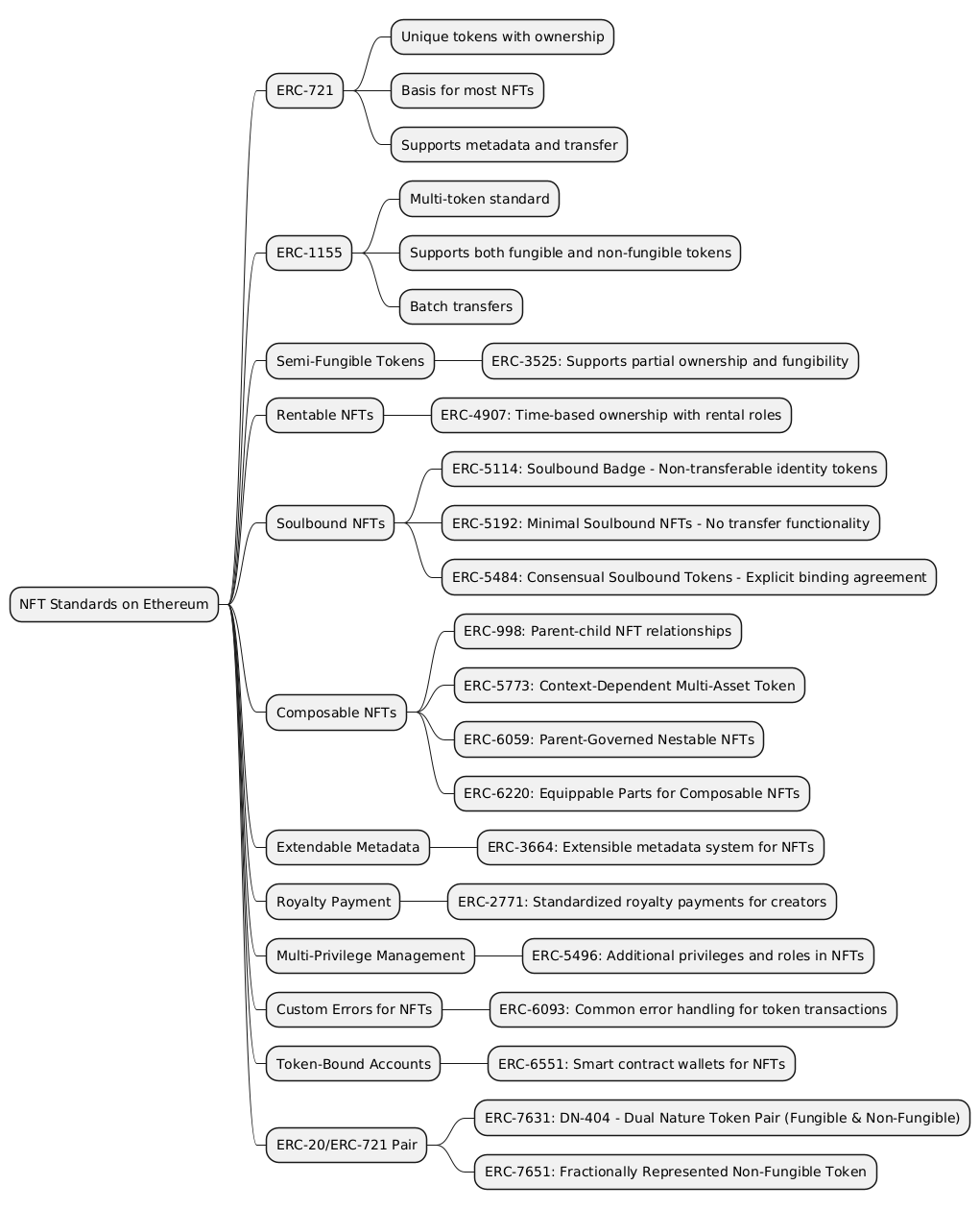
Link your NFTs to off-chain data oracles if you are tokenizing RWAs. This allows your governance decisions to reflect real-world performance. Use trusted oracles like Chainlink to feed data on asset value or legal status into your smart contract. This step bridges the gap between digital voting and physical asset management.
Before launching, audit your smart contracts for vulnerabilities. Governance attacks are common; ensure your voting mechanism cannot be exploited by flash loans or Sybil attacks. Run simulations with test accounts to verify that vote weight and token transfers work as intended. Only go live after a third-party security review.
Spotting Weak Governance NFT Standards
The shift from fungible governance tokens to NFT-based voting in 2026 introduces specific structural risks that many DAOs overlook. When implementing on-chain voting, the primary failure point is often the assumption that "1 NFT = 1 vote" provides equivalent fairness to token-weighted systems. This model ignores the liquidity fragmentation inherent in non-fungible assets, creating concentrated voting power among early holders rather than active participants. Projects claiming "democratic governance" while relying on static NFT weights frequently face low turnout and whale dominance, a pattern visible in early implementations of soulbound token (SBT) voting.
A common mistake is integrating real-world asset (RWA) backing without clear legal wrappers. If an NFT represents a share in a physical asset, the on-chain vote must align with off-chain legal rights. Many standards fail to specify how voting outcomes trigger legal entity actions, leaving governance votes as symbolic gestures. To avoid this, check that the smart contract interacts with a registered legal entity or uses a recognized framework like a Delaware LLC or Swiss Foundation. Without this bridge, the governance mechanism is disconnected from the asset it claims to control.
Another weak option is using outdated NFT standards that lack metadata immutability. Standards like ERC-721A are efficient but may not support the complex metadata updates required for dynamic governance rights. Ensure the chosen standard allows for verifiable, updatable metadata that reflects current voting power or asset ownership. If the metadata can be changed off-chain without on-chain consensus, the governance integrity is compromised. Always audit the contract for any central admin functions that can alter voting weights or membership criteria.
No comments yet. Be the first to share your thoughts!