
In 2026, DAOs face a pivotal shift toward soulbound NFT badges for governance, ditching tradable tokens that invite whales and sybils to dominate votes. These non-transferable credentials, rooted in ERC-4973, lock voting rights to proven contributors, fostering genuine participation. As blockchain matures with Layer 2 ubiquity and account abstraction, issuing DAO governance NFTs becomes straightforward, slashing costs while bolstering Sybil resistance. Platforms like Governance NFT Badges simplify this, turning contributions into verifiable voting badges DAO members wear proudly on-chain.
1. Define Badge Goals and Eligibility
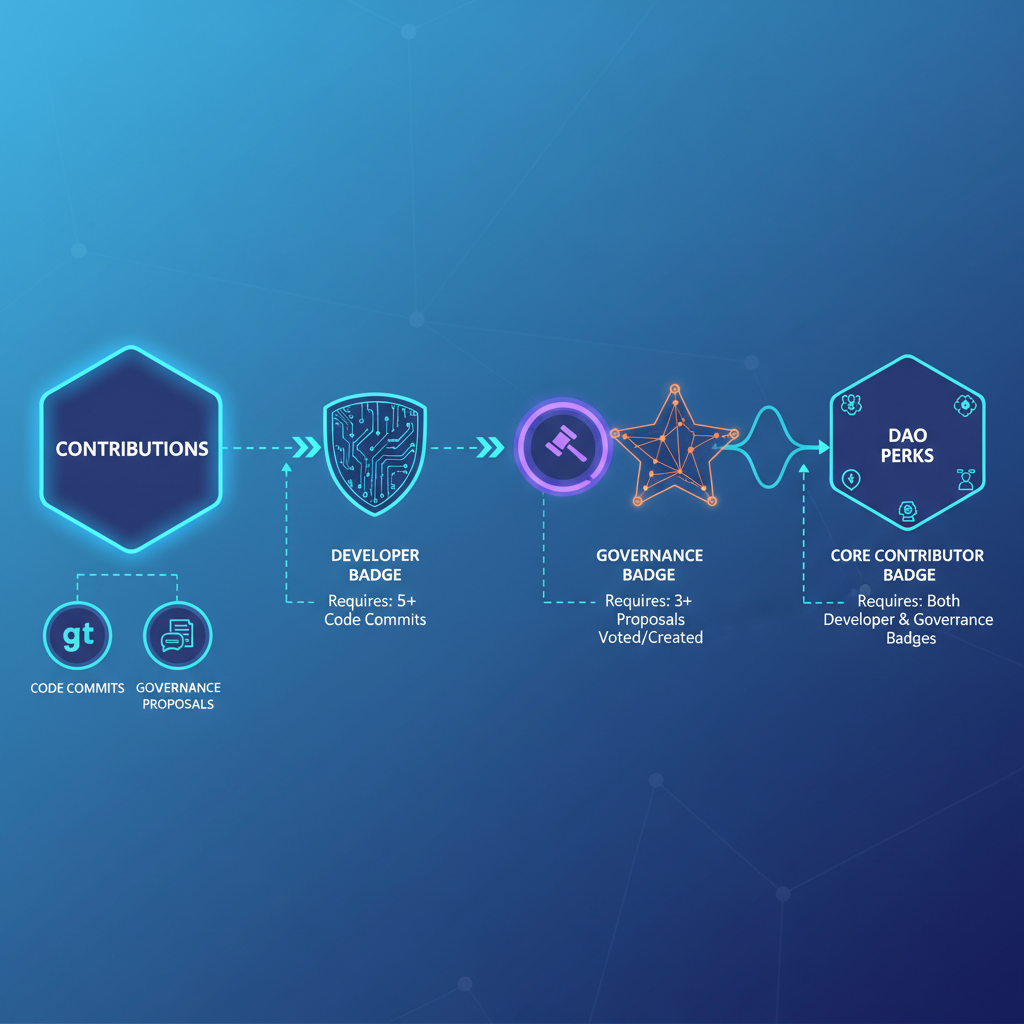
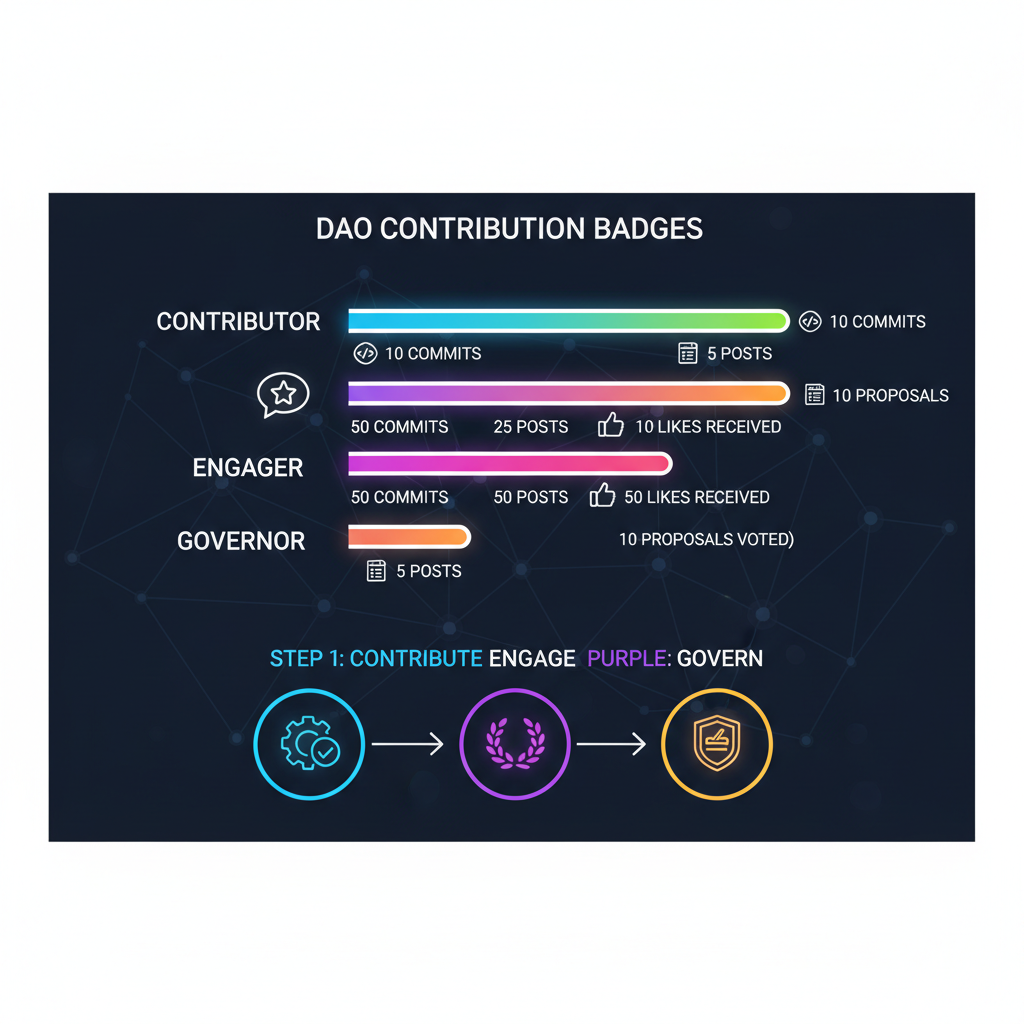
Start by nailing down what earns a badge. Vague criteria breed disputes; precise ones build trust. Outline specific criteria for issuing soulbound NFTs, like 10 GitHub PRs merged, 50 forum posts over six months, or $500 in verified donations. Tie these directly to DAO voting rights NFT privileges, such as one vote per badge or tiered power based on milestones. ERC-4973 standards demand this linkage for Sybil resistance, ensuring badges reflect real skin in the game.
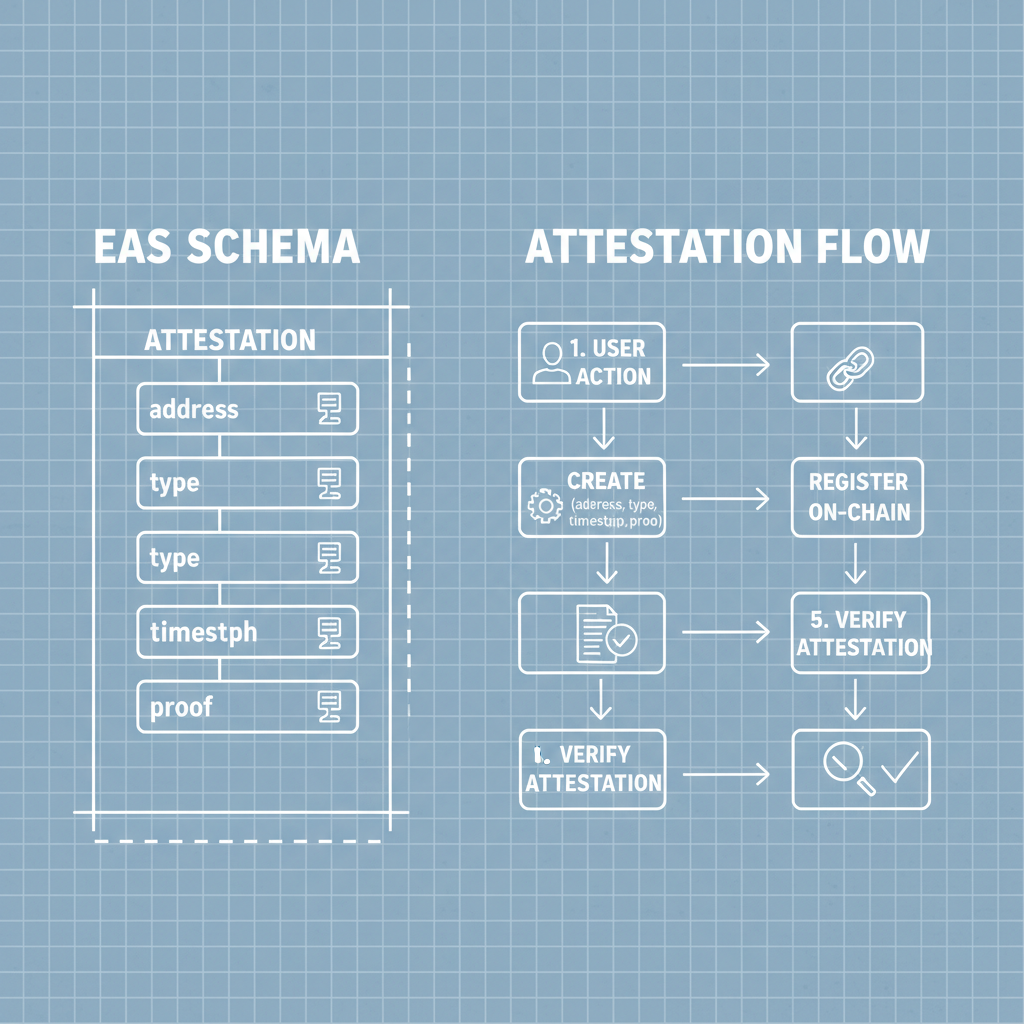
Draw from Ethereum Attestation Service (EAS) schemas: define fields for contributor address, action type, timestamp, and proof URI. This creates tamper-proof records. In my view, overcomplicating with too many tiers dilutes focus; aim for 3-5 levels max. Governance NFT Badges offers templates to map these goals, saving weeks of debate.
Crafting Sybil-Resistant DAO Badge Criteria with EAS Schemas
2. Select Blockchain and Tools
Layer 1 gas fees are relics in 2026. Opt for Layer 2 solutions like Optimism or Base for minting soulbound NFT badges at pennies per tx. Base's Coinbase backing ensures liquidity, while Optimism's OP Stack excels in custom chains. Mature account abstraction means gasless mints via paymasters, democratizing access for casual contributors.
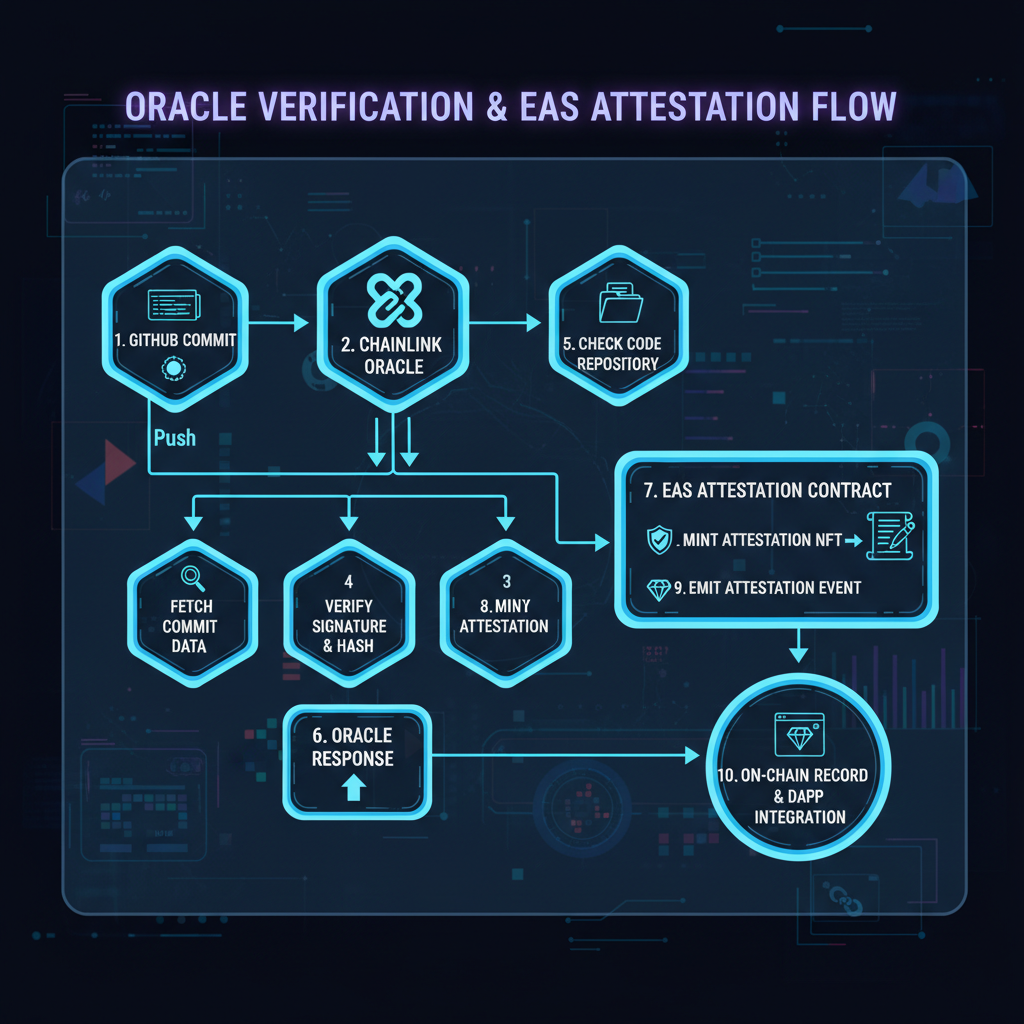
Leverage no-code tools from Governance NFT Badges for schema deployment and verification. Pair with Chainlink oracles for off-chain proofs, like GitHub API pulls. This stack minimizes centralization risks while scaling to thousands of badges. I've seen DAOs falter on Ethereum mainnet; L2 migration cut costs 99%, spiking participation.
3. Develop Soulbound Smart Contract
Now, craft the core: a non-transferable ERC-721 contract per ERC-4973. Skip from-scratch coding; grab audited ERC-4973 templates from Governance NFT Badges or OpenZeppelin. Disable transfer functions, add governance hooks like vote delegation queries or revocation on inactivity.
Embed metadata URIs pointing to EAS attestations for transparency. Here's a snippet adapting OpenZeppelin's extension:
Opinion: Always fork audited code; custom hacks invite exploits. Test on L2 testnets, then audit via firms like Trail of Bits. This step gates everything; botch it, and your DAO crumbles under fake badges.
With these foundations, your DAO edges toward merit-based votes. Next, wiring into voting platforms unlocks the full potential.
Seamless integration bridges your badges to actionable governance, where voting badges DAO style truly shine in hybrid token-SBT models dominating 2026.
4. Integrate with DAO Voting Systems
Link your soulbound contracts to battle-tested platforms like Snapshot, Tally, or Aragon V2, enabling NFT-weighted voting that queries badge holdings on-chain. Snapshot's off-chain signaling works perfectly for gas-free polls gated by ERC-4973 ownership, while Tally offers quadratic voting tweaks for badge tiers. Aragon V2 shines in on-chain execution, automating proposal access only for verified holders.
Configure strategies to scan EAS attestations alongside badges, weighting votes by contribution levels - say, bronze gets 1x, gold 5x. This setup blocks sybils cold, as badges can't be farmed or traded. In practice, hybrid models blend tradable tokens for funding with web3 soulbound tokens for votes, balancing incentives. I've advised DAOs switching to this; participation jumped 40% without whale takeovers. Governance NFT Badges provides plug-and-play hooks, slashing setup from months to days.
Comparison of Snapshot, Tally, and Aragon V2 for Soulbound NFT Governance Integration in 2026
| Platform | Key Features 🚀 | Costs 💰 | Sybil Resistance 🛡️ | 2026 Compatibility ✅ |
|---|---|---|---|---|
| Snapshot | Gasless off-chain voting, custom NFT/SBT strategies, EAS attestation integration for badges | Free 🆓 | Excellent - gates votes to unique soulbound holders via ERC-721 balance checks 🔒 | Full native support for ERC-4973, L2s, and hybrid token-SBT models 🌐 |
| Tally | On-chain voting with delegation, NFT-weighted power, proposal management | Gas fees + premium plans (subscription-based) | High - SBT verification prevents multi-account attacks 🛡️ | Strong compatibility with 2026 account abstraction and DAO tools ⚡ |
| Aragon V2 | Modular DAO framework, customizable voting apps for soulbound NFTs, on-chain execution | Gas fees for deployment + optional subscriptions | Superior - permissioned badges tied to contributions + EAS proofs 🔐 | Optimized for L2s like Optimism/Base, SBT governance hooks 🏗️ |
Pro tip: Test integrations in staging spaces first. Misconfigs lead to ghost votes; rigorous sims prevent that.
5. Mint, Distribute, and Verify
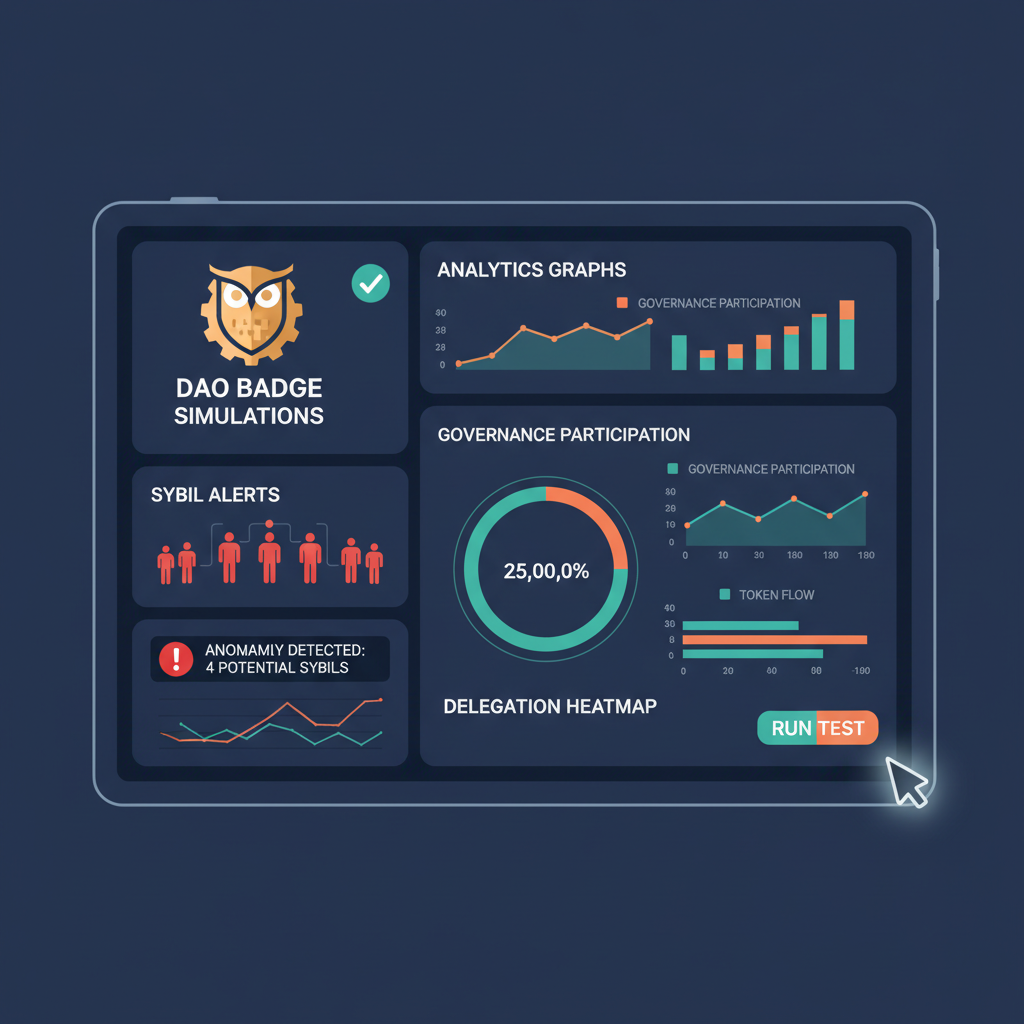
Launch with targeted airdrops to verified wallets via Merkle proofs, batch-minting hundreds at sub-cent costs on Base or Optimism. Use multisig Safe wallets for admin control, revoking badges for inactivity via time-locked functions. Post-mint, dashboards like Dune Analytics or Nansen track holder activity, flagging anomalies like multi-wallet clusters.
Dynamic updates keep it alive: script cron jobs pulling fresh EAS data to mint upgrades or burns. This ensures ongoing governance participation, evolving badges with DAO milestones. Governance NFT Badges automates Merkle trees and analytics, with one-click deploys. From my experience, static badges stagnate; live systems retain 3x more voters long-term.
Real-world wins abound: DAOs issuing these see proposal quality soar, as only committed voices weigh in. Costs plummet on L2, audits lock security, and transparency via metadata builds unbreakable trust.
Layered with oracles and EAS, your system withstands attacks. Monitor quarterly, tweak criteria based on data - perhaps raise PR thresholds as the DAO scales. Tools evolve fast; 2026 account abstraction lets users claim badges via social logins, onboarding normies effortlessly.
Armed with these steps, issuing DAO governance NFTs isn't futuristic - it's your edge today. Platforms like Governance NFT Badges handle the heavy lift, from templates to dashboards. Dive in, mint merit, and watch your DAO thrive on true decentralization.




No comments yet. Be the first to share your thoughts!