

In the high-stakes arena of decentralized autonomous organizations, recent turmoil in Aave DAO underscores a persistent vulnerability: ownership disputes fueled by opaque governance mechanisms. Critics pushed for Aave Labs to surrender control over key brand assets, only to see their proposal rebuffed in a contentious vote. This episode, echoing broader tensions over tokenholder rights and rushed decision-making, reveals how token-based voting systems breed mistrust and inefficiency. As DAOs scale, the need for verifiable voting badges DAOs has never been clearer, positioning governance NFT badges as a corrective force.


Exposing Vulnerabilities in Token-Driven DAO Voting
Current DAO governance hinges on token ownership, a model that invites peril. Voting power transfers seamlessly with tokens, decoupling participation from identity and enabling plutocratic capture. Research highlights this flaw: ownership of a vote shifts effortlessly, undermining legitimacy. Sybil attacks proliferate as bad actors spin up fake identities to amplify influence, while whales dominate outcomes, sidelining genuine contributors.
Aave’s saga exemplifies these risks. What started as forum debates over technical governance escalated into public clashes on control and incentives. Rushed Snapshot votes drew backlash for eroding community trust, prompting calls for better identity solutions. Without anchored credentials, DAOs risk perpetual disputes, as seen in marketplace governance studies where agency costs soar absent trustless designs.

Empowering DAOs with Soulbound Governance NFTs
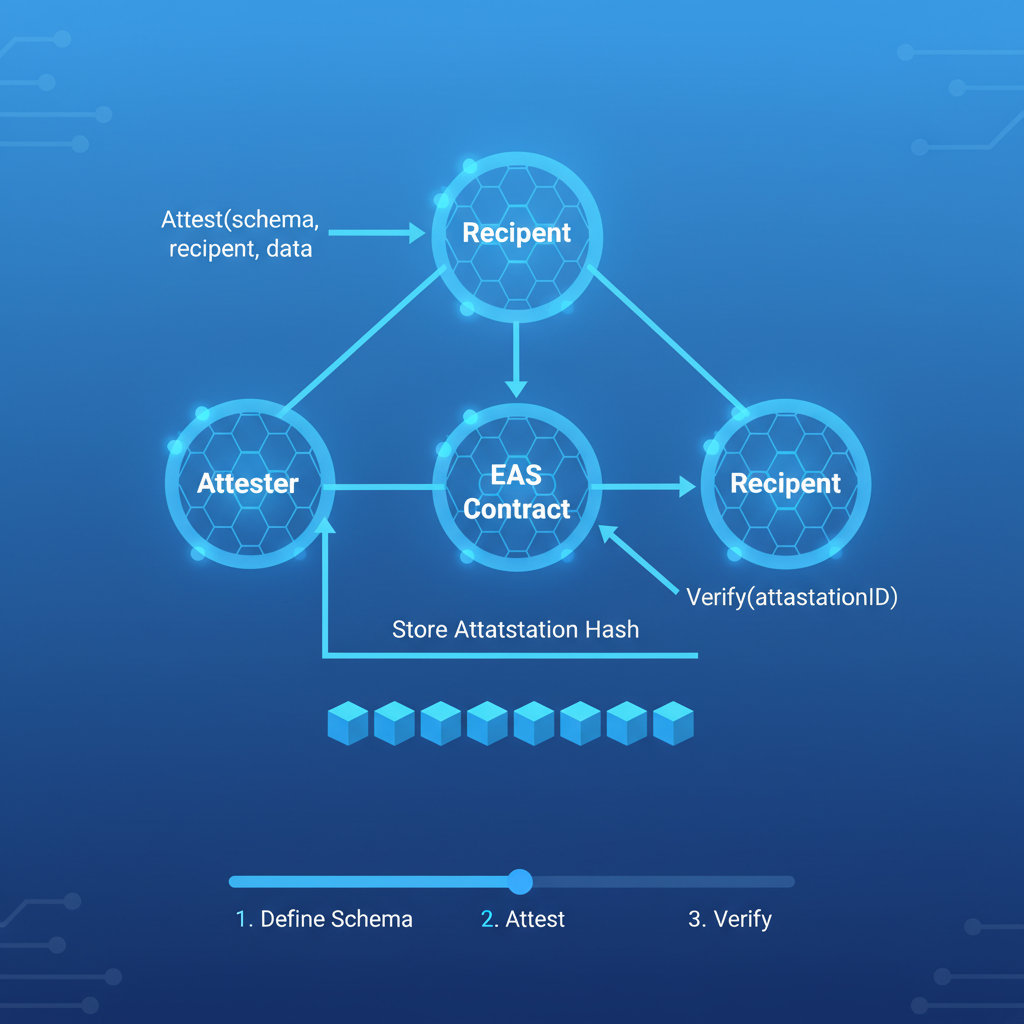
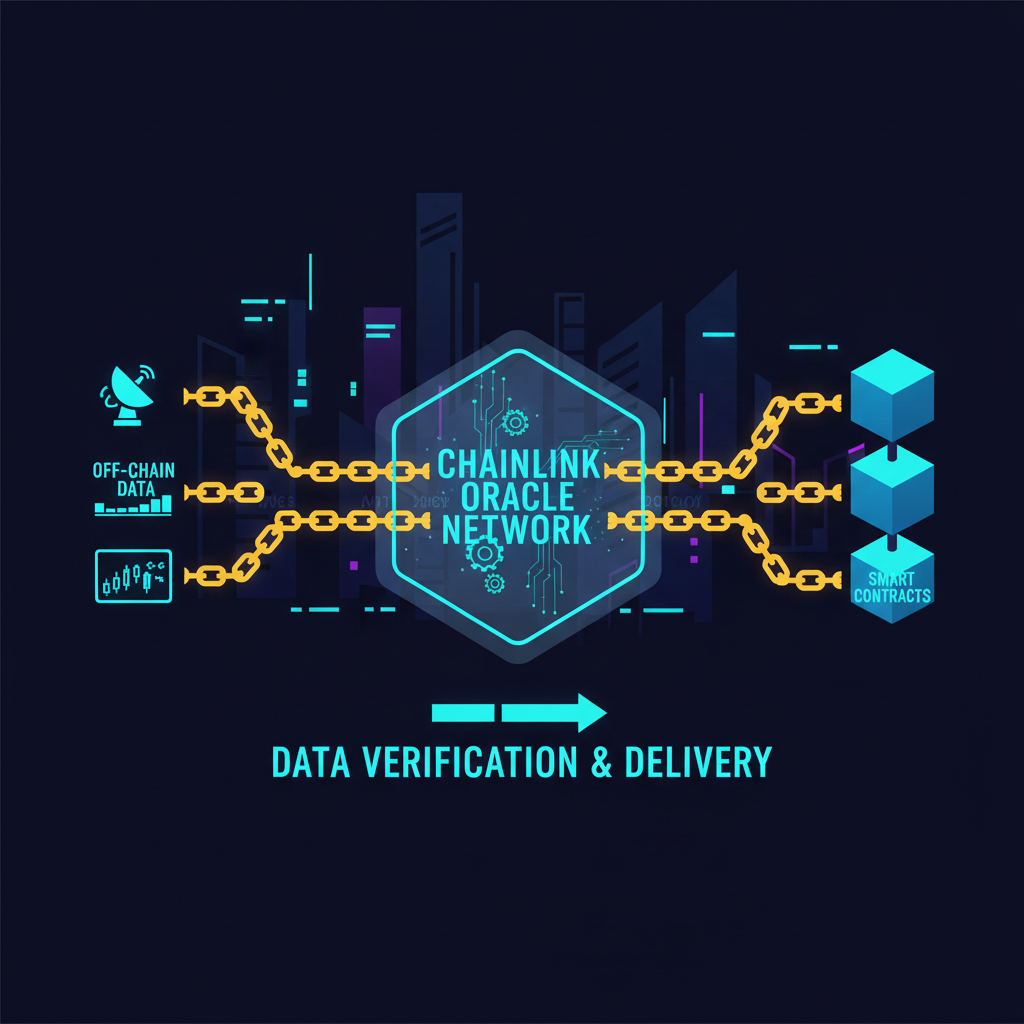
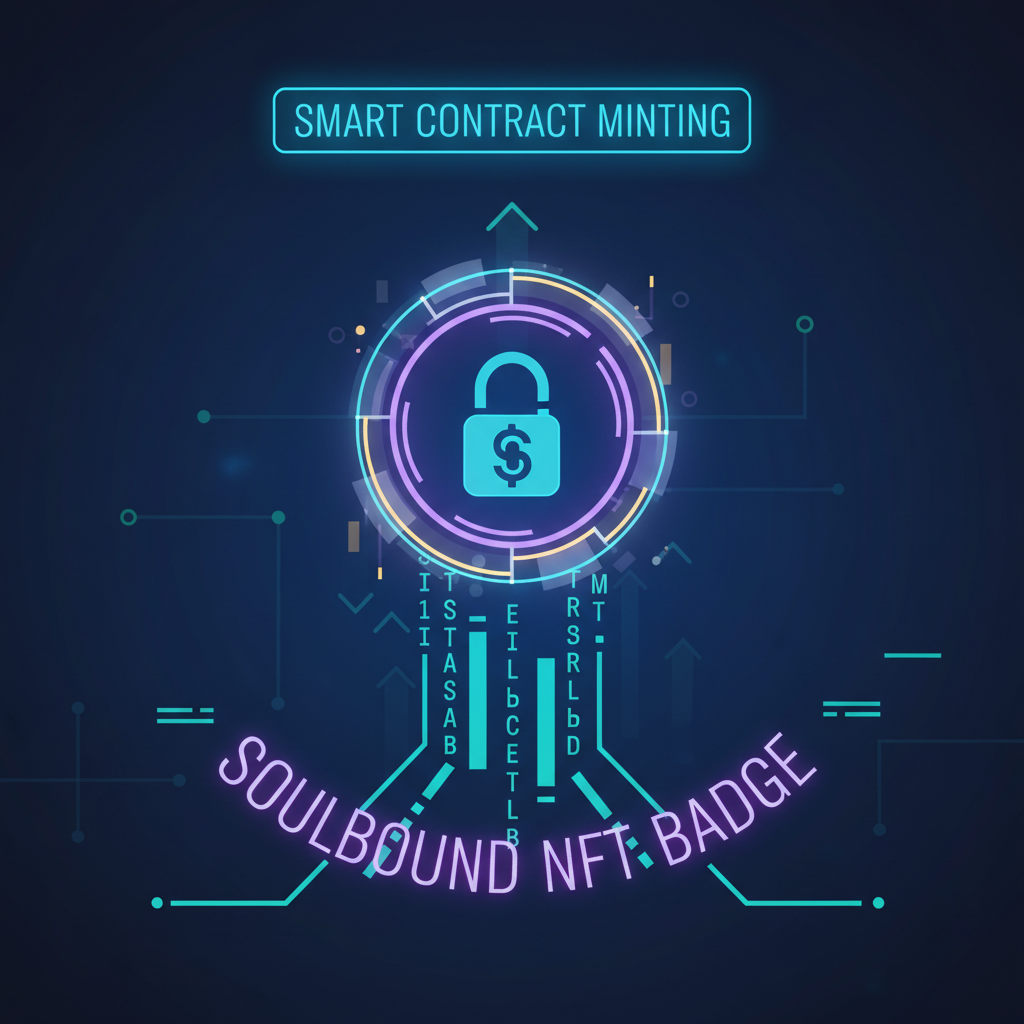
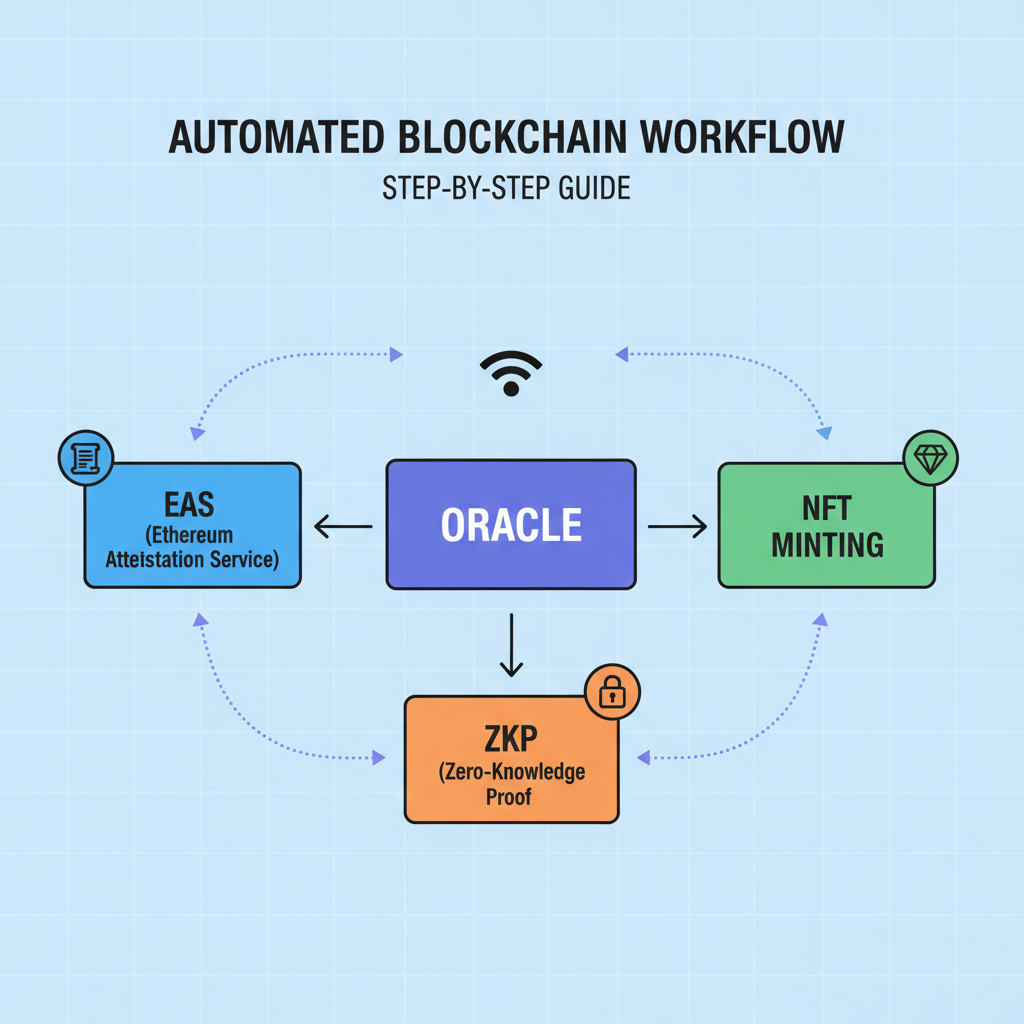
Enter DAO governance NFT badges, non-transferable or soulbound tokens that bind voting rights to verified contributions. Leveraging Ethereum Attestation Service (EAS) and Chainlink Oracles, these soulbound governance NFTs automate issuance based on on-chain proofs of work, from forum engagement to code commits. This merit-based approach counters plutocracy, ensuring web3 voting credentials reflect true involvement rather than liquid holdings.
By design, these badges mitigate ownership disputes. Tamper-proof and instantly verifiable, they serve as DAO ownership NFTs, clarifying rights without reliance on volatile tokens. Educational experiments, like blockchain-integrated DAOs for student voting, demonstrate feasibility: participants wield verifiable badges to decide real outcomes, fostering accountability.
Key Advantages of Governance NFT Badges
-
Sybil Resistance: Non-transferable soulbound NFT badges link voting rights to verified identities and contributions, preventing malicious actors from creating multiple fake accounts to skew DAO votes, as highlighted in Aave DAO governance disputes.
-

Merit-Based Voting: Badges issued via Ethereum Attestation Service (EAS) reward genuine participation and contributions, ensuring voting power reflects proven involvement rather than mere token holdings.
-

Tamper-Proof Ownership Proofs: On-chain NFTs provide immutable, verifiable credentials using blockchain transparency, resolving ownership disputes like those over Aave brand assets without reliance on off-chain claims.
-
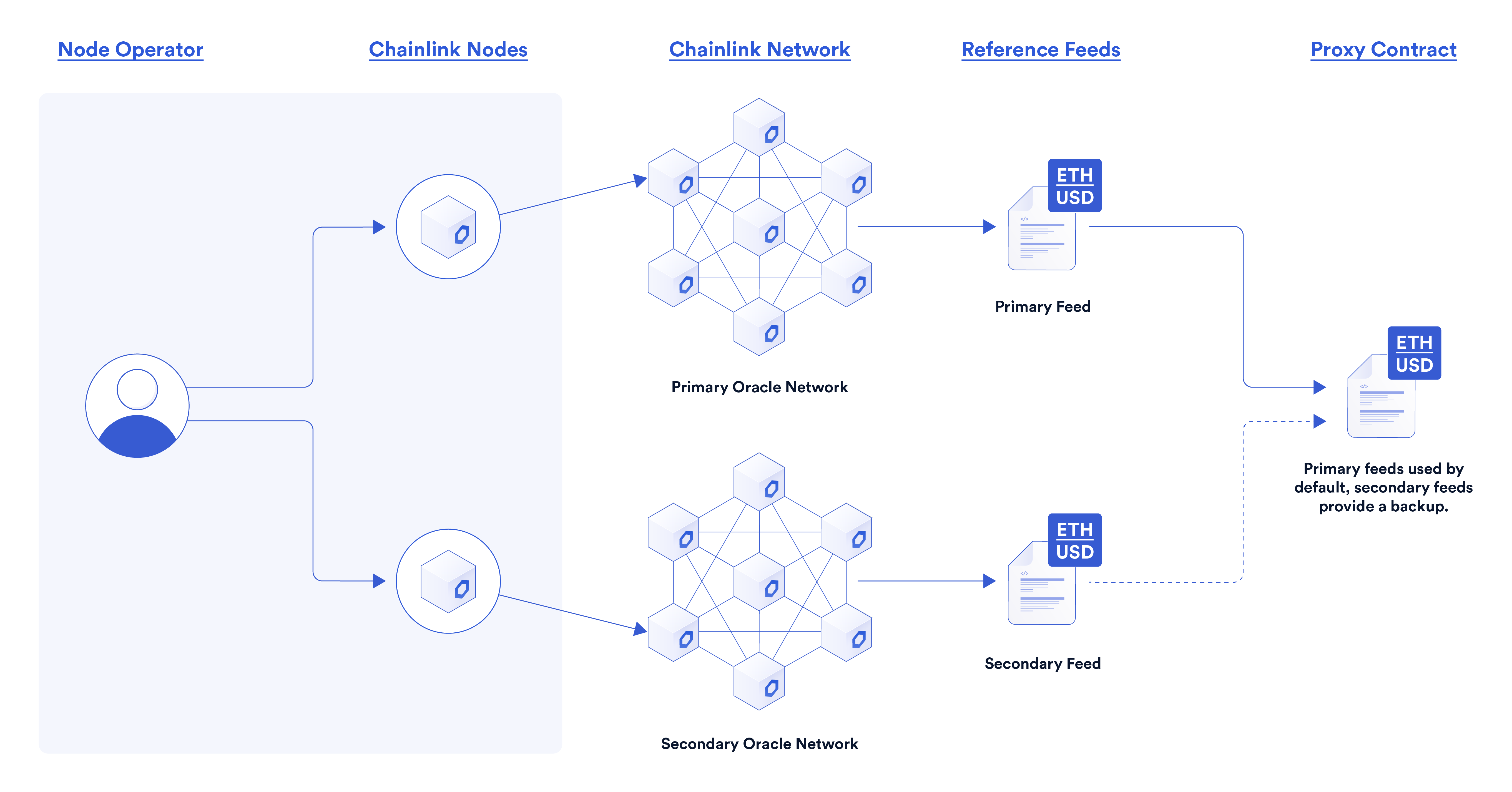
Automated Issuance via Oracles: Chainlink Oracles enable trustless, automated badge minting based on on-chain events and verified data, streamlining governance while reducing centralization risks.
Navigating Privacy and Security in Credentialed Governance
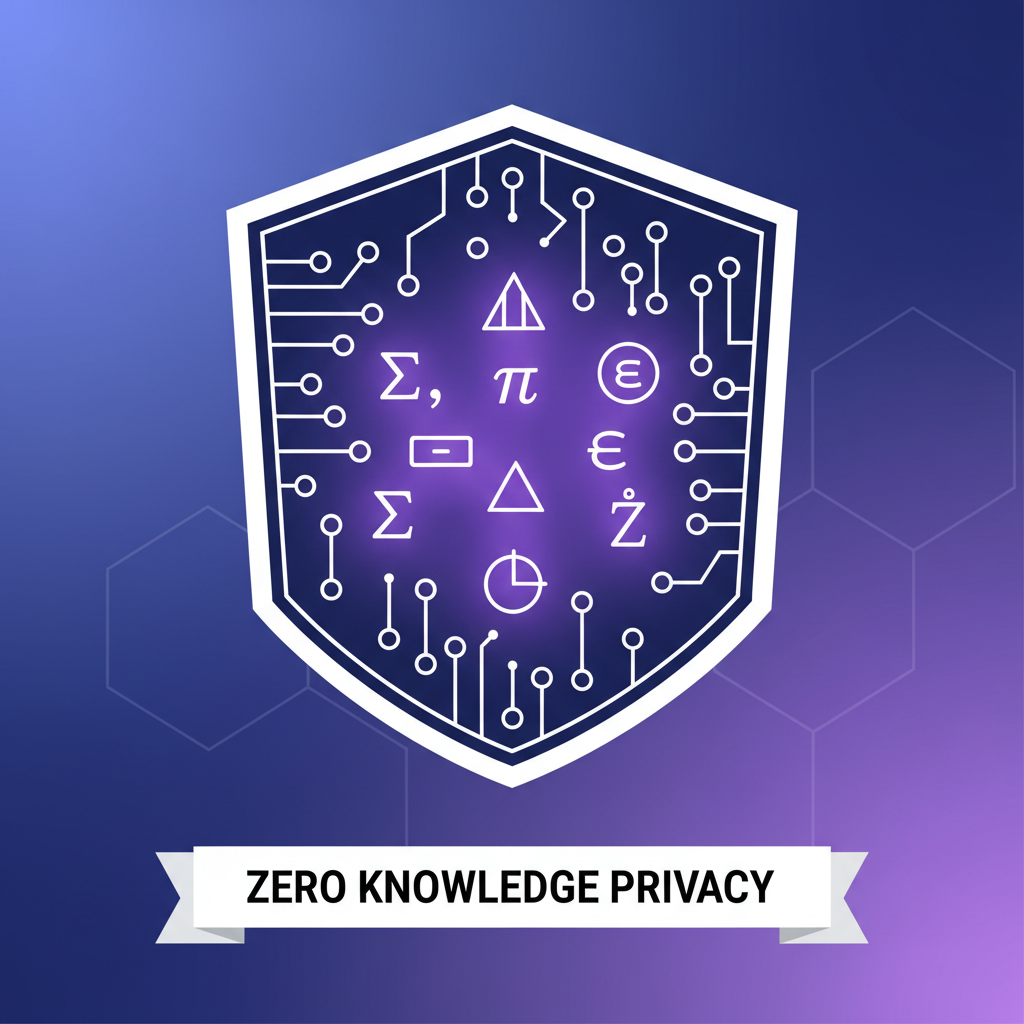
Yet implementation demands nuance. Blockchain transparency risks exposing voting patterns, sparking privacy debates. DAOs counter with zero-knowledge proofs (ZKPs) and zk-SNARKs, verifying credentials sans sensitive data revelation. Soulbound tokens paired with these tools enforce one-person-one-vote equity while shielding identities.
Challenges persist: oracle centralization looms, and rigorous audits are non-negotiable. Still, as NFTs evolve beyond hype into credentials for diplomas and licenses, their DAO application promises resilience. For protocols like Aave, adopting such systems could preempt future rifts, transforming disputes into structured evolution. Learn more on how to issue governance NFT badges for DAO voting rights.
This shift toward prevent DAO plutocracy NFTs isn’t mere tech upgrade; it’s a governance renaissance, aligning power with purpose in decentralized ecosystems.
Realizing this potential requires DAOs to move beyond theory into tactical deployment. Platforms like Governance NFT Badges provide the infrastructure to issue these verifiable voting badges DAOs rely on, integrating seamlessly with Ethereum’s ecosystem for scalable, secure operations. Drawing from recent advancements, such as those in decentralized identity solutions, DAOs can now anchor voting to provable merits rather than speculative holdings.
A Blueprint for Issuing DAO Governance NFT Badges
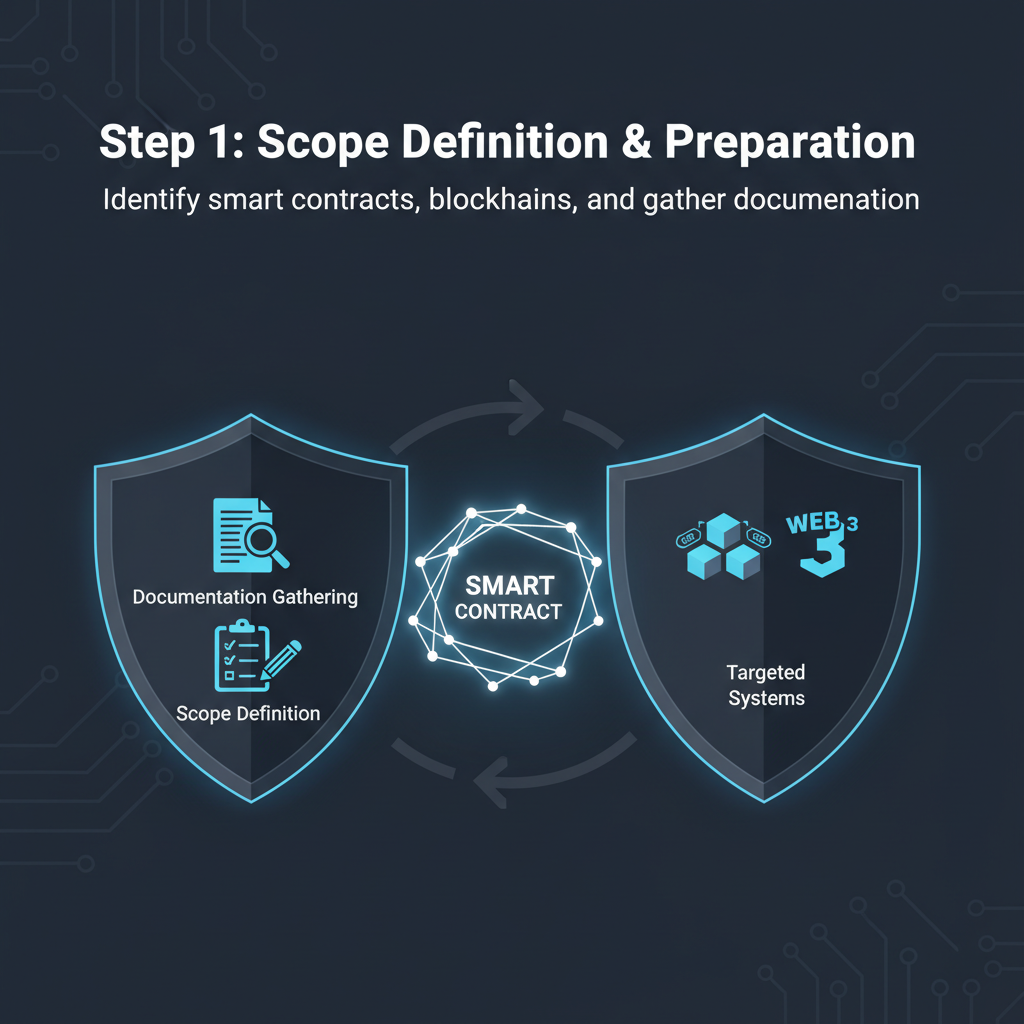
Deployment begins with selecting robust attestation frameworks. Ethereum Attestation Service stands out for its schema flexibility, allowing DAOs to define badges for specific contributions like proposal authorship or treasury management. Chainlink Oracles feed off-chain data, such as GitHub activity, triggering automated minting of soulbound tokens. This process not only prevents DAO ownership NFTs from circulating on secondary markets but also embeds revocation mechanisms for misconduct, a critical safeguard absent in token voting.
Mastering Soulbound NFT Badges: DAO Governance with EAS, Oracles & ZKPs

Consider Aave’s context: integrating such badges could have clarified stakeholder roles early, averting the brand asset showdown. Instead of token snapshots prone to whale sway, badges would weight votes by sustained engagement, fostering equitable outcomes. Studies on blockchain marketplaces affirm this: trustless credentials slash agency costs, enabling leaner governance without centralized gatekeepers.
Real-World Wins and Lingering Hurdles
Early adopters illuminate the path. Educational DAOs, where students vote on curricula via verifiable badges, report heightened participation and reduced disputes. Similarly, professional credentials as NFTs, from diplomas to licenses, prove the model’s versatility; tamper-proof verification cuts administrative drag, a boon for DAOs juggling global members. Yet hurdles demand vigilance. Oracle dependencies risk single points of failure, necessitating diversified feeds and community audits. Privacy tech like zk-SNARKs, while potent, adds computational overhead, challenging resource-constrained protocols.
My analysis, grounded in 18 years optimizing institutional portfolios, underscores a pivotal trade-off: transparency’s virtues must balance with selective opacity. DAOs ignoring this invite regulatory scrutiny, as exposed voting histories could correlate to off-chain identities. Governance NFT Badges mitigates this via modular privacy layers, empowering protocols to evolve compliantly.
The perils of token-linked votes are stark; identity-anchored badges restore legitimacy.
Adapted from arXiv governance perils research
Looking ahead, as NFTs mature into zero-knowledge badges per academic forecasts, DAOs face a mandate: pioneer or perish amid disputes. Aave’s rebuffed vote signals urgency; proactive adoption of soulbound governance NFTs will define resilient ecosystems. Explore practical paths at how DAOs can use NFT badges to streamline governance and voting rights and how NFT badges enhance transparency in DAO decision-making. This evolution cements decentralized power in verifiable hands, securing DAOs for sustained prosperity.
About the Author