

Decentralized Autonomous Organizations (DAOs) have long grappled with measuring contributions in a trustless environment, but a new tool is changing that: governance NFT badges. These on-chain credentials reward active members, especially those amplifying the DAO's voice on Twitter. Projects like ViralDAO exemplify this trend, issuing badges that not only signal status but also unlock voting power proportional to a contributor's engagement. This merit-based system cuts through token speculation, tying influence directly to tangible efforts like viral threads or community recruitment.
Twitter has evolved from a mere announcement board into a primary arena for DAO growth. High-signal posts drive treasury inflows, onboard new members, and shape narratives around protocol upgrades. Yet, quantifying this impact was elusive until DAO voting badges emerged. Unlike fungible tokens prone to sybil attacks, these NFTs are often soulbound, ensuring one badge per genuine contributor. ViralDAO, for instance, tracks tweet impressions and retweets to mint badges that escalate in rarity with sustained activity, creating a transparent reputation ladder.
Mechanics Behind NFT Rewards for Twitter DAO Activity
At their core, governance NFT badges leverage smart contracts to automate reward distribution. A contributor's Twitter handle links to their wallet via platforms like Governance NFT Badges, where APIs scrape verified metrics: follower growth attributed to the DAO, thread engagement rates, or referral conversions. Once thresholds are met, badges mint automatically, embedding metadata like contribution proofs. This isn't gamification for its own sake; it's a disciplined approach to aligning incentives. Consider Tweet DAO's model, where members buy NFTs for tweeting privileges, resulting in diverse, high-velocity content streams that boost visibility.
Key Benefits of Governance NFT Badges
- Verifiable on-chain proof prevents fraud by providing tamper-proof records of Twitter contributions, as seen in soulbound badges from projects like Governance NFT and Bankless.
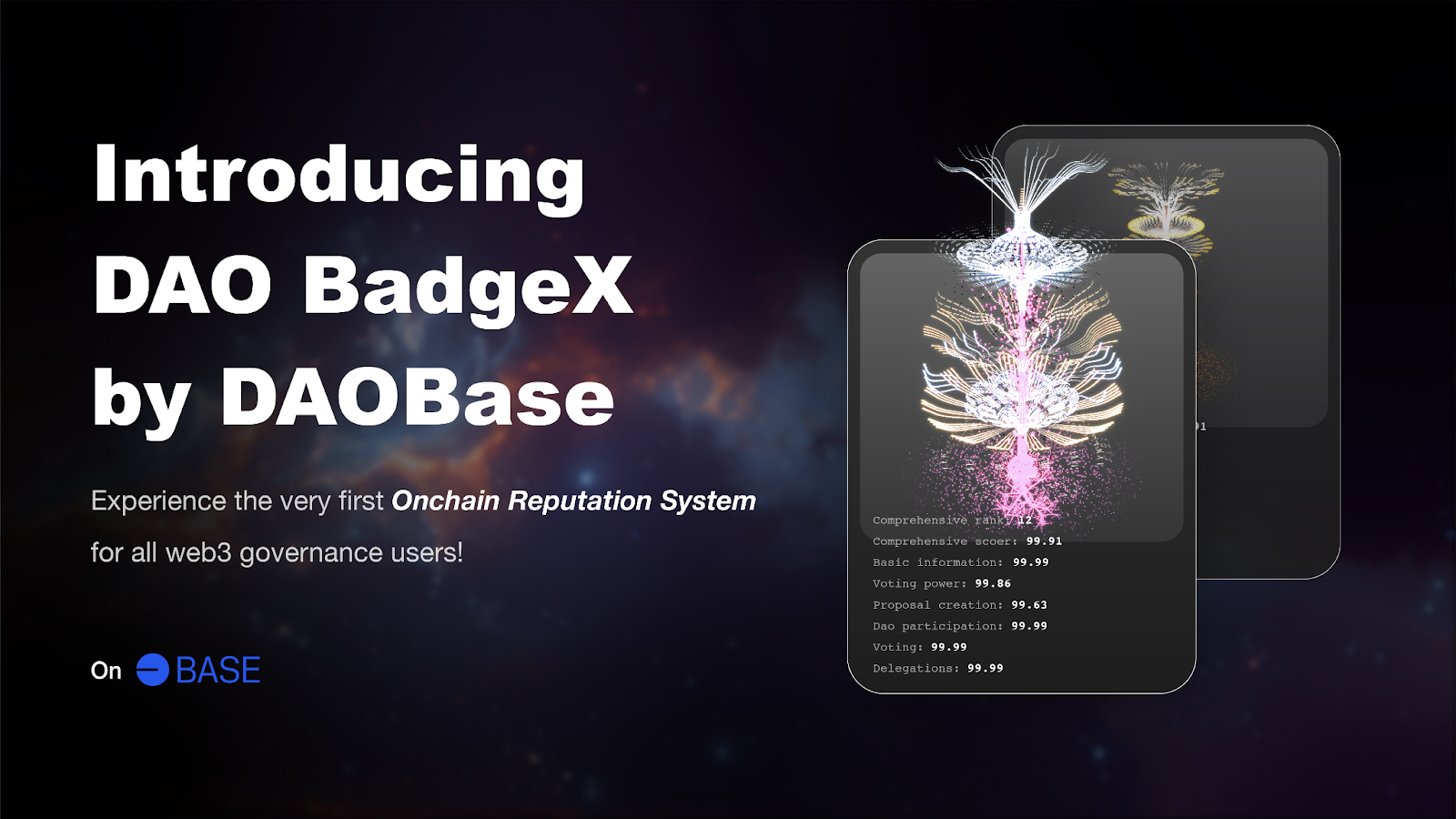
- Scales voting power with proven impact, like MeritDAOcracy's badges that grant governance points based on eligible contributions.

- Encourages quality over quantity by rewarding meaningful engagement, aligning with Integrity DAO's governance token model.
- Integrates seamlessly with DAO tools like Snapshot, enabling easy verification and voting for Twitter-active members.
- Enhances social proof for future collaborations, signaling reputation via on-chain badges displayable on profiles.
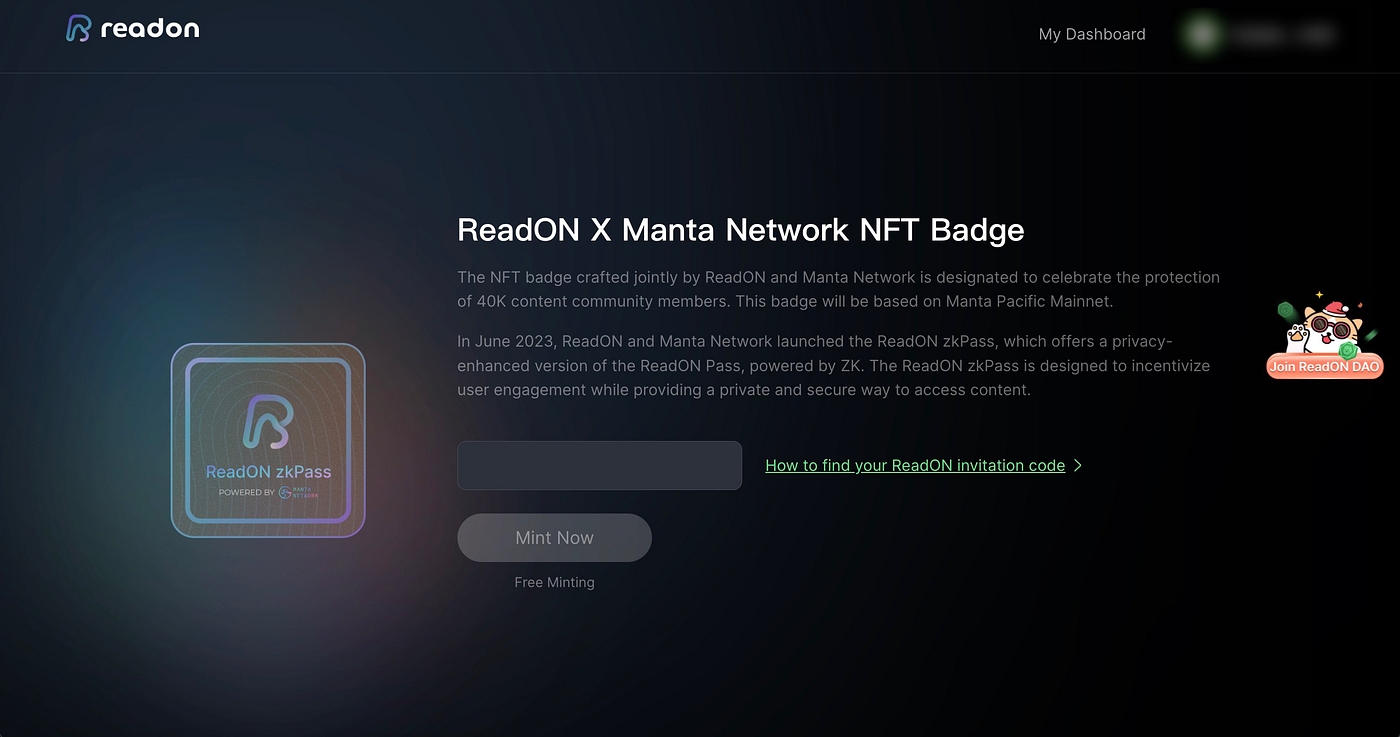
Take Integrity DAO on Avalanche, managing a seven-figure treasury through its $ID governance token. Active Twitter proponents earn badges that signal treasury stewardship roles, blending social proof with real authority. This setup demands micro discipline in posting strategies, much like anticipating forex cycles through fundamentals. DAOs ignoring such tools risk stagnant participation, as un rewarded voices fade amid noise.
From Bankless to MeritDAOcracy: Proven Implementations
BanklessDAO pioneered special badges for sustained Twitter participation, forging an on-chain reputation system that influences proposal weights. Their approach reveals a key insight: badges compound value over time, as holders display them in bios, attracting talent and capital. Similarly, MeritDAOcracy issues soulbound DAO contributor badges based on eligible outputs, from tweet storms to governance forum posts. These aren't vanity metrics; they formalize a meritocracy where a viral thread on DAO governance might grant 5x voting multiplier.
Governor DAO pushes boundaries further with Proof of Existence tokens and biometric voting, ensuring badges reflect authentic human effort. Even experimental setups, like those in Solana's AI agent ecosystems, hint at autonomous badge issuance for Twitter amplification. Yet challenges persist: off-chain metric manipulation or badge dilution from low-bar entry points. Successful DAOs counter this with rigorous curation, much like risk management in commodities trading.
ViralDAO's Blueprint for Twitter-Driven Governance
ViralDAO stands out in the nft rewards for twitter dao space by tying badge tiers to algorithmic virality scores. A single post sparking 10,000 impressions could mint a bronze badge, unlocking basic polls; gold variants emerge from multi-week campaigns, conferring treasury allocation vetoes. This mirrors global macro trends where sustained momentum trumps one-off spikes. By showcasing badges on Governancenft. com, ViralDAO members signal commitment, drawing partnerships. As DAOs scale, such viraldao nft governance models will standardize, rewarding the arena-tested over armchair theorists.
Implementing these systems requires precision, akin to calibrating leverage in forex positions. Platforms like Governance NFT Badges provide the infrastructure: customizable smart contracts, Twitter API integrations, and soulbound token standards. DAOs connect their Discord or Telegram for verification, then define metrics such as retweet velocity or impression-to-engagement ratios. Badges deploy on chains like Ethereum or Avalanche, ensuring low-gas minting for frequent rewards. This setup scales effortlessly, from ViralDAO's Twitter focus to broader DAO contributor badges encompassing GitHub commits or forum moderation.
Challenges in NFT Rewards for Twitter DAO Activity
Despite the promise, pitfalls loom. Sybil attacks via fake accounts undermine metrics, while platform policy shifts, like Twitter's API restrictions, disrupt data flows. Community Badge NFTs, as explored in FOMO HOUSE analyses, amplify governance power but invite centralization risks if badge issuance favors insiders. Tweet DAO's paid tweeting model, while innovative, sparked debates on commodifying speech, leading to multifaceted profiles that blur authenticity. Governor DAO counters with biometric proofs, yet adoption lags due to privacy concerns. My take: treat these as volatility spikes in commodities markets; hedge with multi-metric scoring and periodic audits to preserve integrity.
Challenges & Solutions for NFT Badges
- Sybil Resistance: Linking wallets to verified Twitter accounts, as in ViralDAO, prevents multi-account manipulation in contribution tracking.
- API Redundancy: Using multiple platforms like Twitter and Discord APIs ensures reliability if one fails, maintaining badge issuance continuity.
- Rarity Tiers: Implementing limited supply tiers, similar to Bankless badges, avoids governance power dilution from mass issuance.
- Community Audits: Open reviews by DAO members, as practiced in MeritDAOcracy, verify badge fairness and contribution legitimacy.
- Hybrid Verification: Combining on-chain data with off-chain proofs, like Governance NFT's soulbound badges, balances security and usability.
Solutions emerge from disciplined design. Soulbound governance NFT badges prevent trading, locking value to the earner. Dynamic weighting adjusts voting power based on recency, demoting dormant badges. Integrity DAO exemplifies resilience, its $ID holders earning badges for treasury advocacy on Twitter, backed by Avalanche's speed. As AI agents on Solana experiment with autonomous management, expect badges to evolve, rewarding algorithmic tweet optimization alongside human creativity.

Practical Steps and Future Horizons
DAOs eyeing DAO voting badges should start small: pilot with a Twitter contributor tier, track via Governancenft. com dashboards, then expand. ViralDAO's blueprint offers a template; replicate by setting virality thresholds tied to treasury growth. This fosters micro discipline in content creation, mirroring how forex traders grind through ranging markets for breakout rewards. Forward-looking, as Web3 on-ramps blend social mining with governance, expect badges to unlock exclusive airdrops or LP positions, deepening liquidity pools.
Projects like those in GameFi, offering NFT rewards for competitions, hint at gamified extensions where Twitter campaigns fuel badge progression. Yet success hinges on transparency; without it, contributors disengage, treasuries stagnate. Governance NFT Badges equips DAOs with tools to sidestep these traps, from Artemis-secured voting to status-signaling soulbinds. Arena-tested models prevail, rewarding those who build narratives that endure market cycles.
Ultimately, these badges transform Twitter from a broadcast channel into a governance engine. Contributors gain verifiable clout, DAOs harness collective signal, and the ecosystem tilts toward merit. In a space rife with speculation, this is the macro trend worth betting on: sustained, on-chain proof over fleeting hype.




No comments yet. Be the first to share your thoughts!