
Decentralized Autonomous Organizations are evolving beyond simple token-weighted voting, embracing staked NFT voting badges to distribute bonus governance power based on real contributions. These dynamic credentials, often non-transferable, reward active members with amplified influence, countering the pitfalls of plutocratic systems where whales drown out the community.
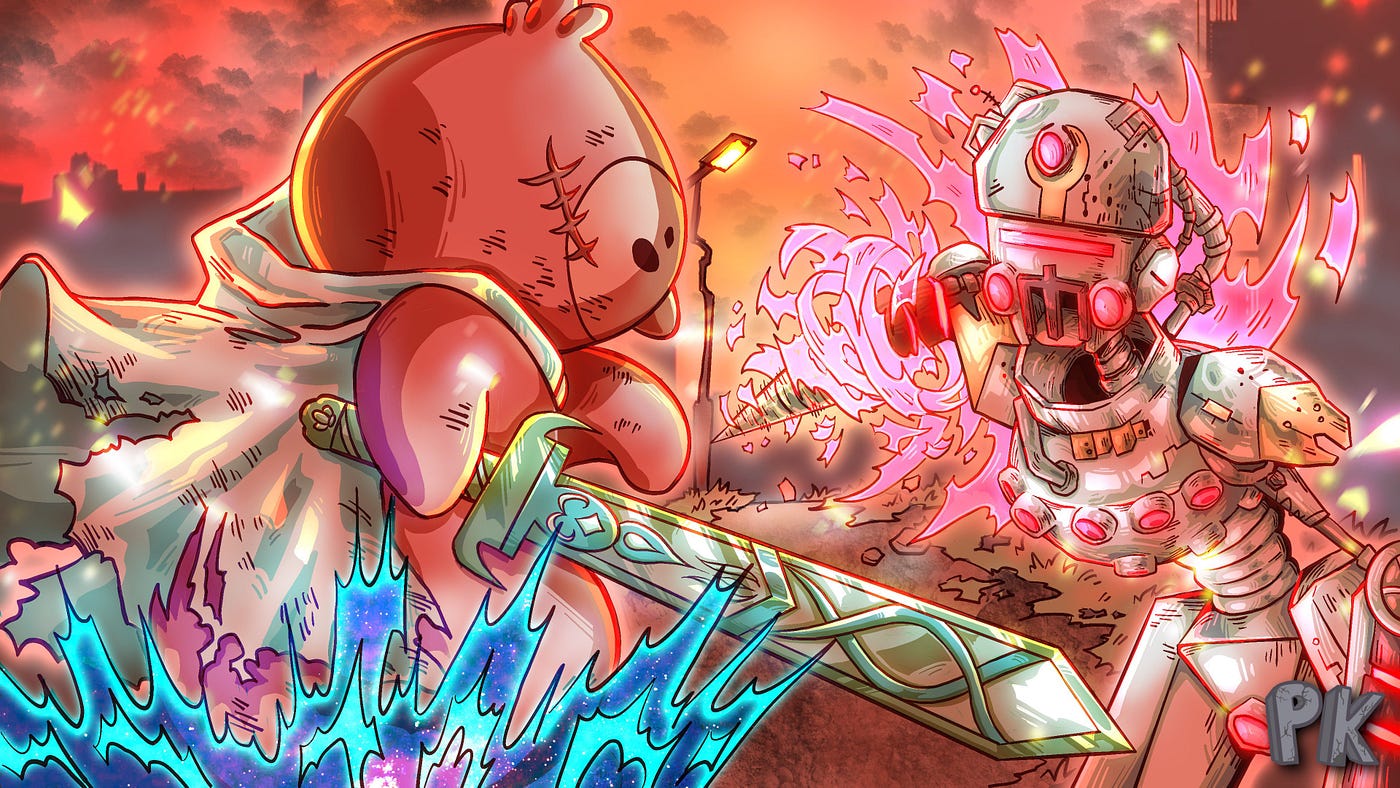
In a landscape scarred by low turnout, like Aave's dismal 36 votes on key proposals versus ENS's more engaged 72 provides governance NFT badges emerge as a merit-based antidote. Platforms like FOMO HOUSE and RootstockCollective pioneer this shift, turning badges into governance tokens that unlock voting capabilities and even BTC rewards. Staking these NFTs isn't mere speculation; it's a commitment mechanism that aligns incentives with sustained participation.
Why Staked NFTs Trump Traditional Tokens in DAO Governance
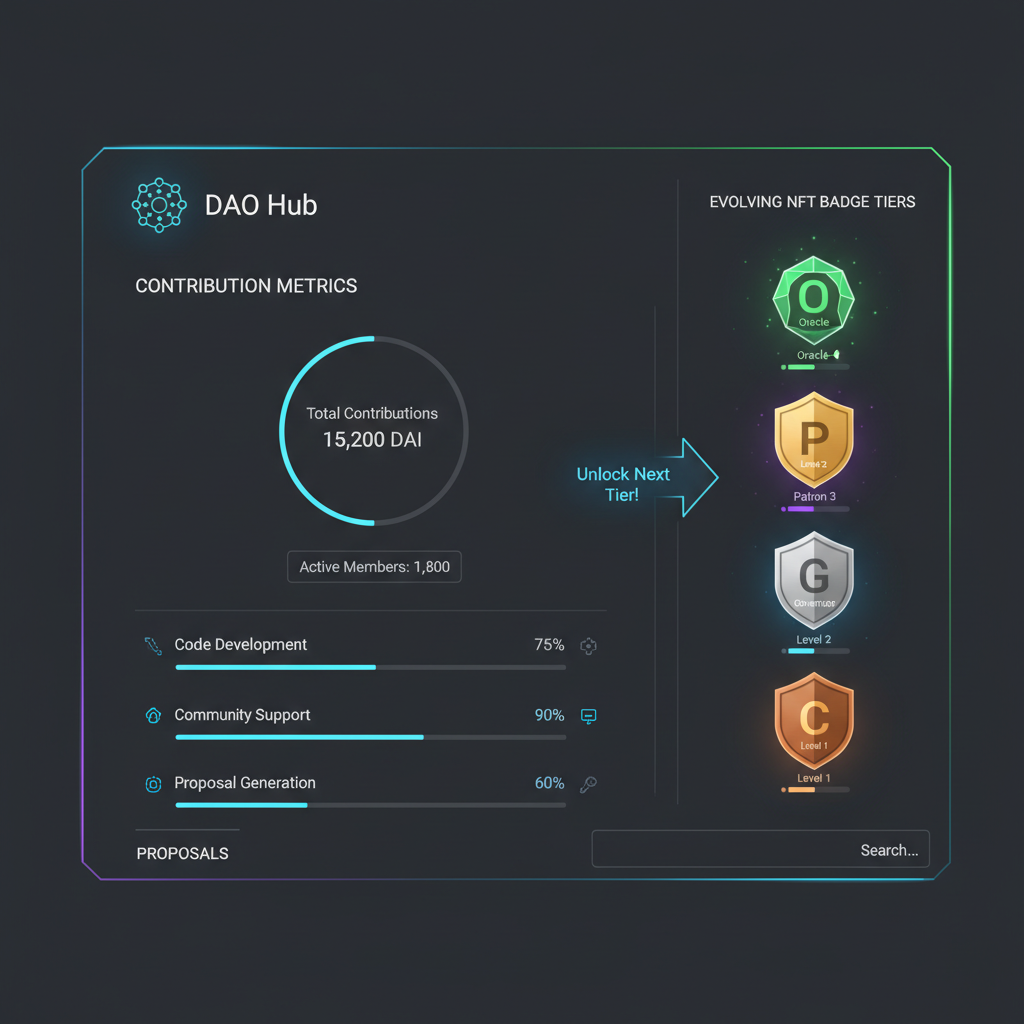
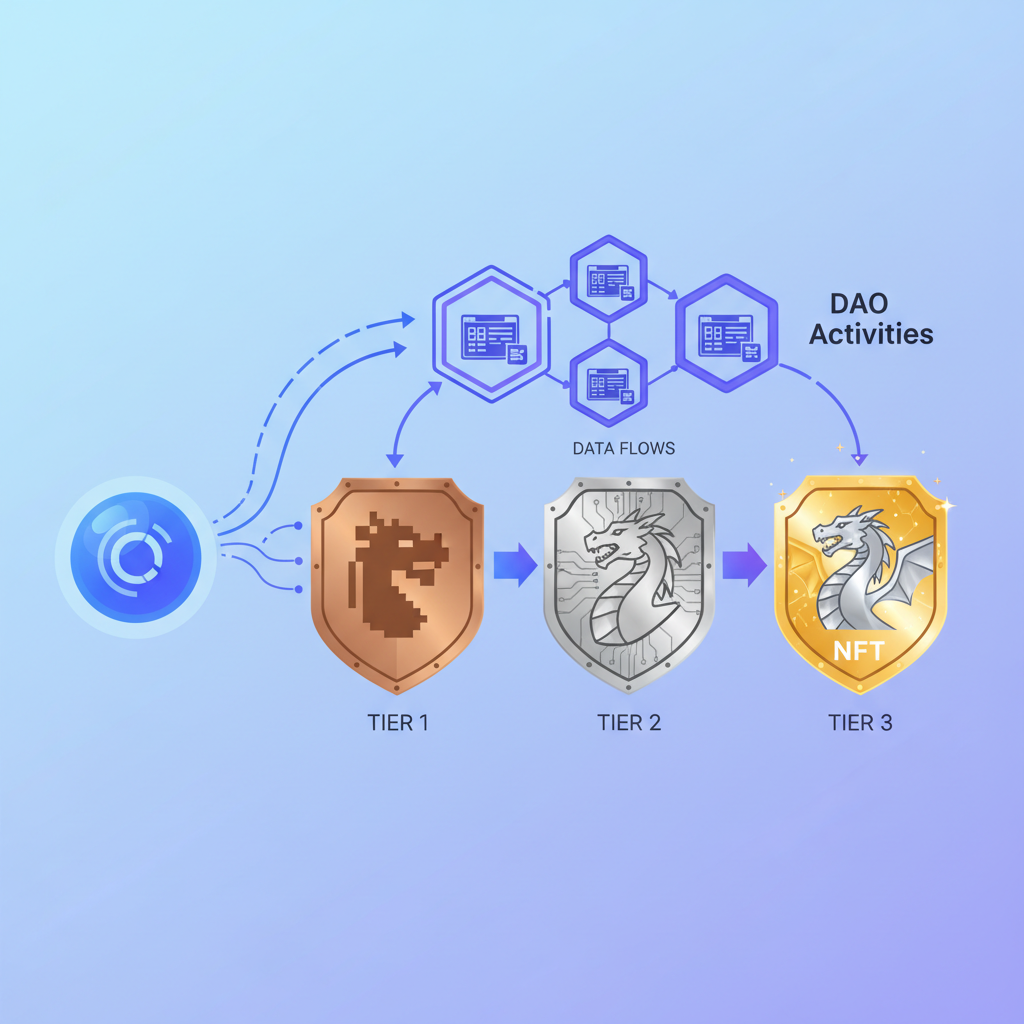
Token-based voting often funnels power to early holders or speculators, breeding centralization and apathy. Enter DAO governance NFTs: unique, verifiable assets that evolve with user activity. DAOBase exemplifies this by issuing badges that level up through contributions, from forum posts to code commits. When staked, they multiply voting weight, say, a base 1x badge becomes 3x after six months of engagement.
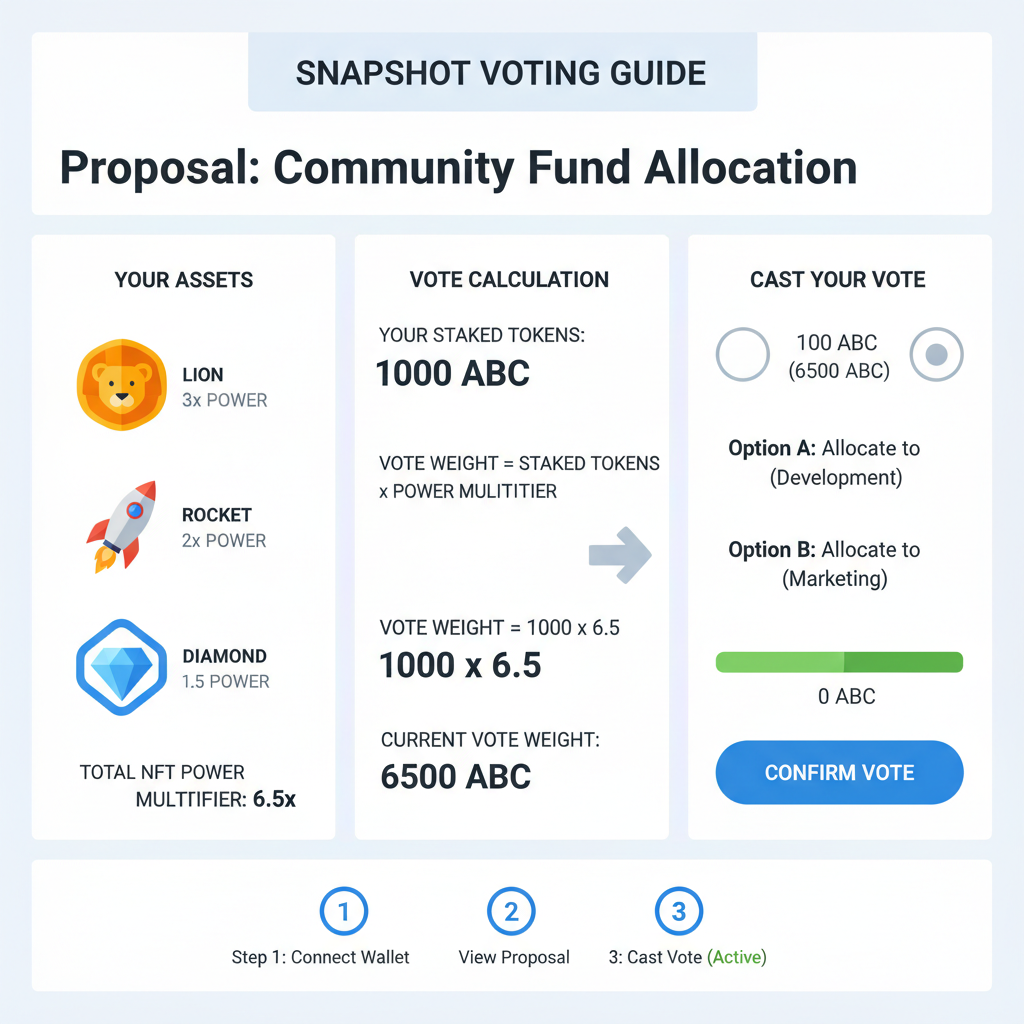
This model sidesteps governance attacks highlighted by a16z crypto, where permissionless systems invite flash loan exploits. Staked NFTs demand skin in the game; they're illiquid during lockups, deterring mercenaries. Snapshot integration weights votes by badge tiers, fostering holographic consensus as per LimeChain's mechanisms, where only high-potential proposals rise.
Core Mechanics of Issuing Staked Voting Badges
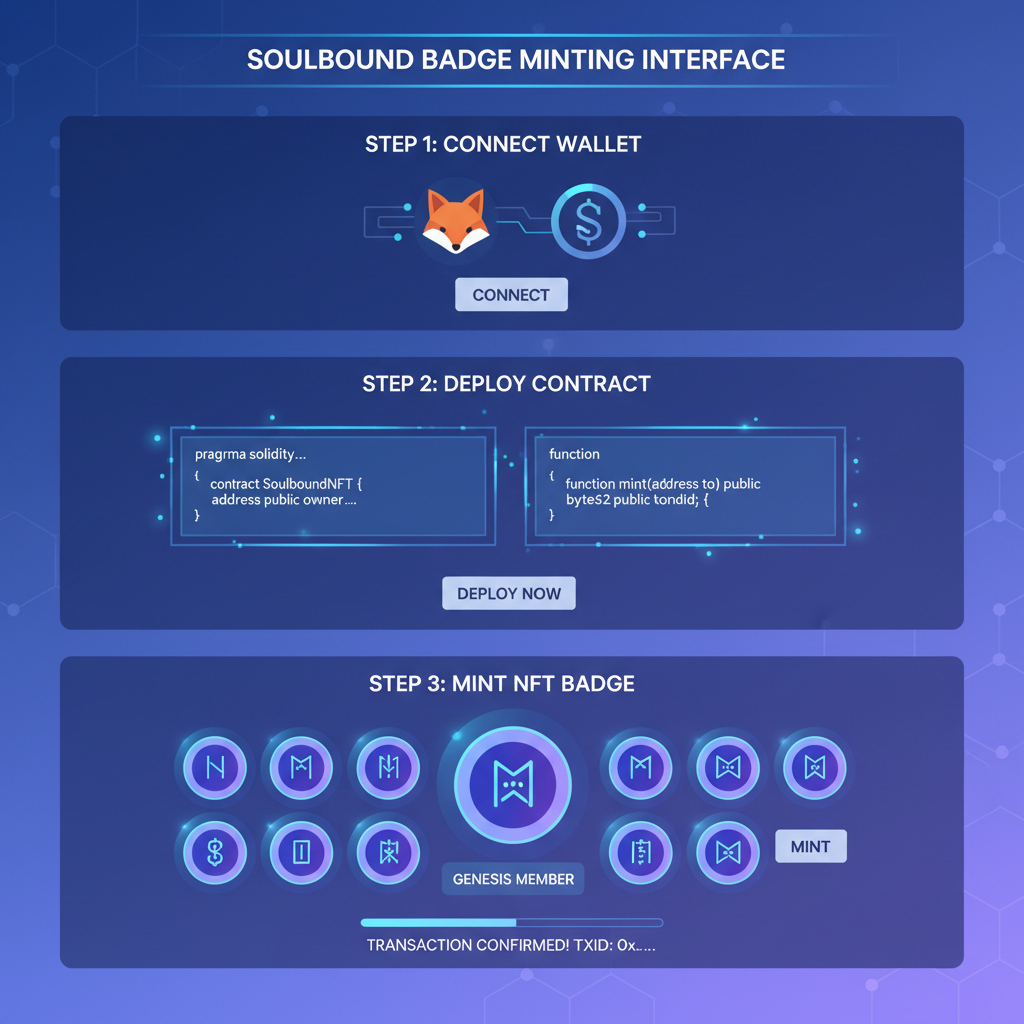
Issuing staked NFT voting badges starts with smart contract design on Ethereum or Layer 2s like Optimism. DAOs mint ERC-721 badges via platforms like Governance NFT Badges, embedding metadata for contribution proofs, think zero-knowledge attestations of GitHub PRs or Discord moderation hours.
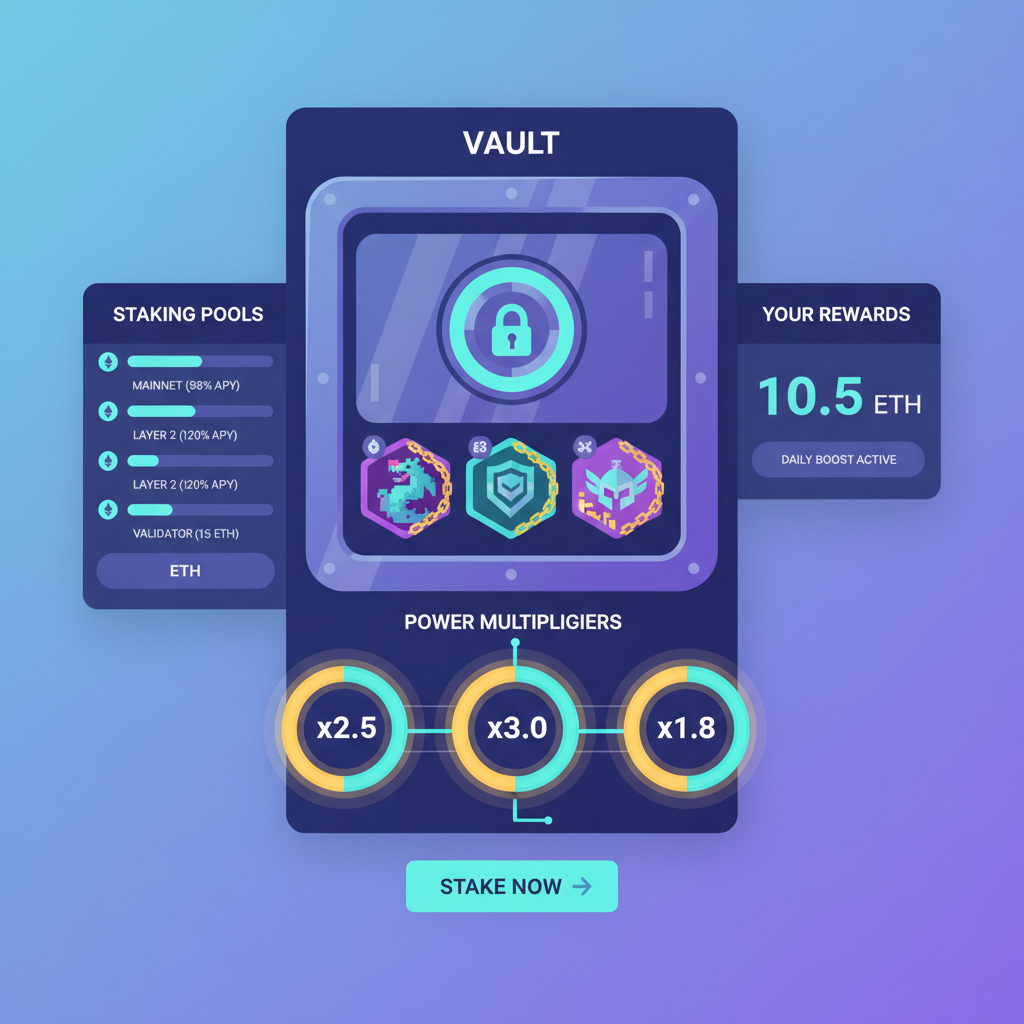
Staking flows like this: holders lock badges into a governance vault contract. Duration and tier dictate multipliers; a platinum badge staked for 90 days might grant 5x power on Snapshot polls. Unstaking penalties, such as cooldowns or slashes, enforce commitment. This mirrors DeFi staking but ties directly to web3 voting credentials, verifiable on-chain.
Key Benefits of Staked NFT Voting Badges
- Meritocracy: Badges like DAOBase evolve with user activity, rewarding contributions for equitable governance.
- Anti-Sybil Resistance: Non-transferable NFTs tied to verified engagement block fake identities and attacks.
- Dynamic Power Scaling: Voting influence adjusts via staking and activity, enabling adaptive governance.
- Snapshot Integration: Weights votes on Snapshot by staked badges for precise decision-making.
- Reward Alignment: Ties badges to rewards like RootstockCollective's BTC yields, boosting participation.
Customization reigns supreme. RootstockCollective's exclusive badges, for instance, blend voting with BTC yields, appealing to Bitcoin maximalists. DAOs calibrate issuance via quadratic funding or conviction voting, ensuring broad distribution over concentration.
Technical Stack for Seamless Badge Deployment
To deploy, DAOs leverage tools like Aragon or DAOstack for frontend interfaces, paired with custom NFT factories. The minting contract verifies eligibility via off-chain oracles, e. g. , requiring 100 and forum replies, before airdropping badges. Staking hooks into Governor contracts, modifying vote weight queries dynamically.
Code snippet example: a Solidity function adjusting power based on stake timestamp and tier.
Security is paramount; audits from firms like Trail of Bits prevent reentrancy in unstake paths. Once live, badges display in wallets like Rabby, showcasing prestige akin to LinkedIn badges but on-chain. This visibility spikes engagement, as seen in Uniswap and Aave delegation strategies from daodigest. com.
Transitioning to production, DAOs test on testnets, simulating attacks. Success stories abound: FOMO HOUSE badges grant outsized influence, proving the model's viability for bonus voting power DAOs. Yet, challenges persist, gas fees and UX friction, but Layer 2s mitigate these effectively.
Layer 2 solutions like Base or Arbitrum slash costs, making staked NFT voting badges accessible even for smaller DAOs. Governance NFT Badges streamlines this with no-code minting, letting teams focus on strategy over syntax.
Mint, Stake & Integrate NFT Badges for DAO Voting Power Boost
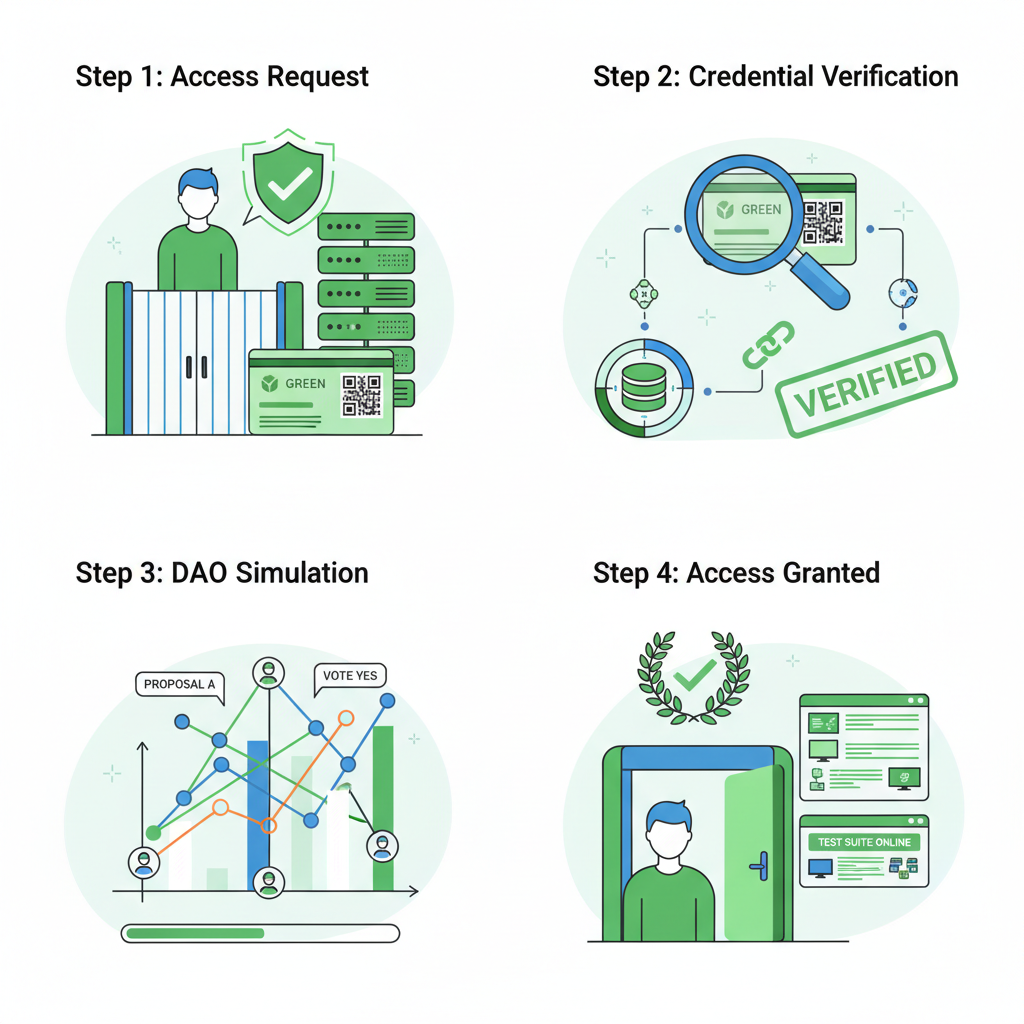
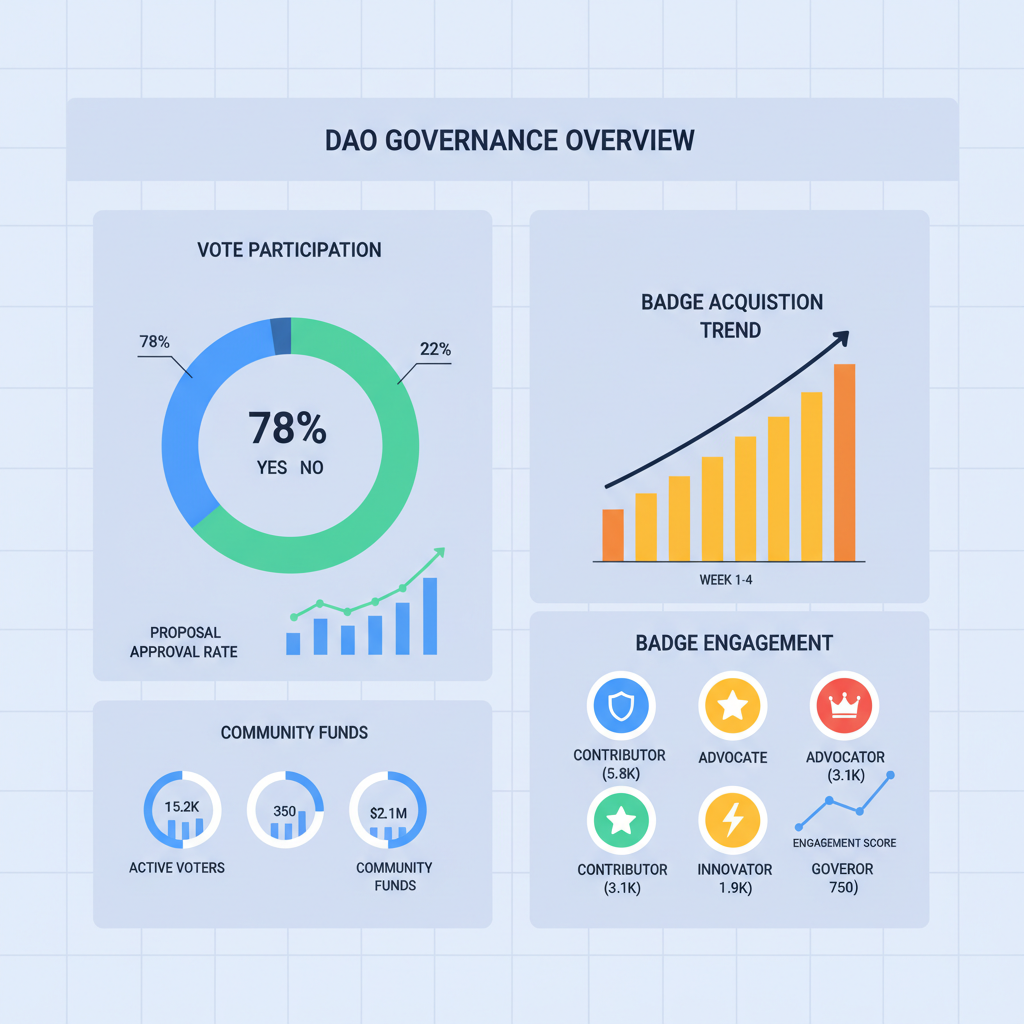
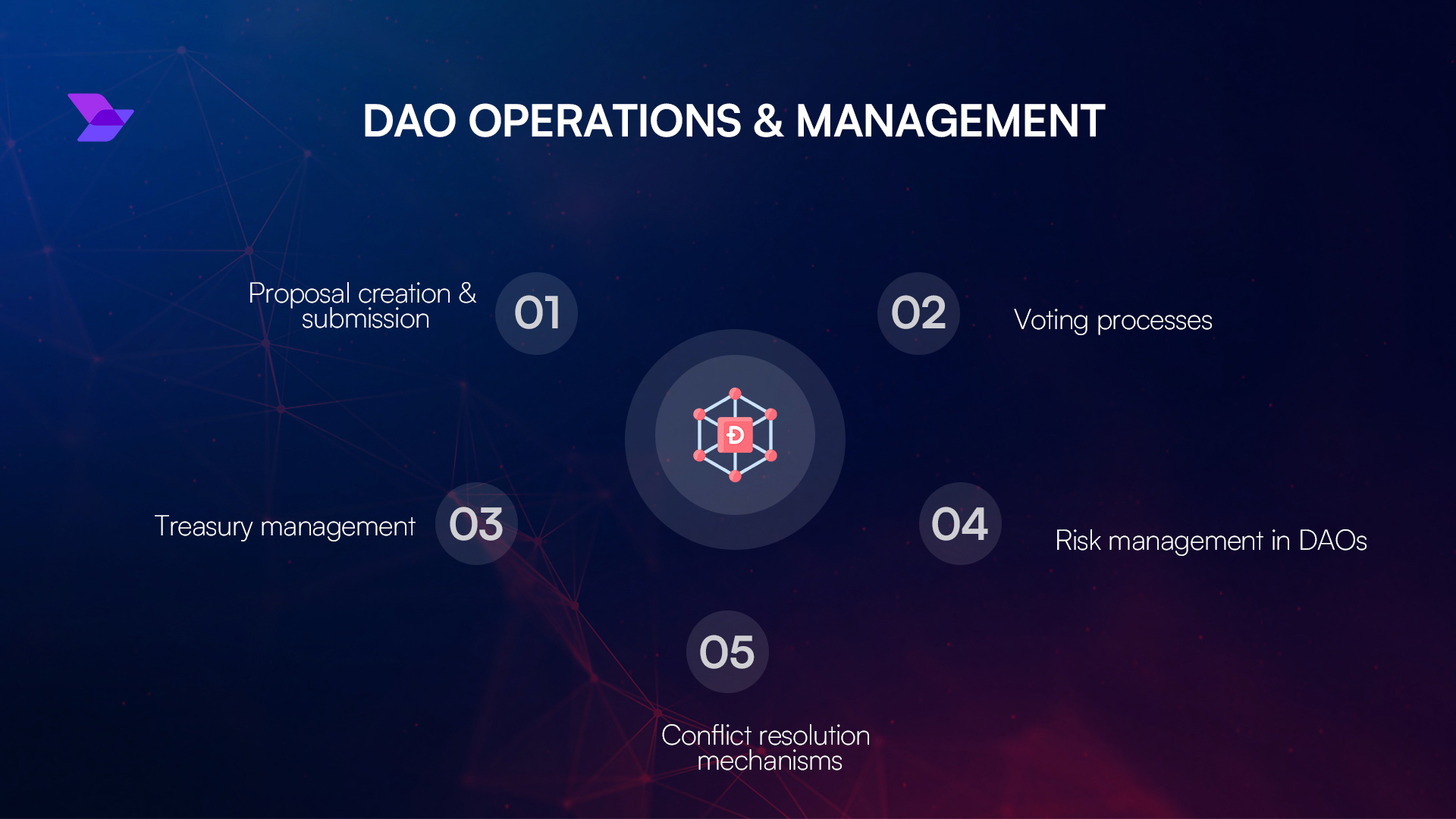
Real-world traction builds momentum. FOMO HOUSE DAO deploys community badges as governance tokens, holders staking for amplified votes on treasury allocations. RootstockCollective ties badges to BTC rewards, blending Bitcoin security with Ethereum flexibility. These aren't gimmicks; they reshape power dynamics, rewarding Discord hustlers over dormant whales.
Yet, pitfalls lurk. Over-reliance on badges risks badge farming, where users game metrics for tiers. Counter with sybil-resistant oracles, like Worldcoin proofs or Gitcoin Passport scores. Holographic consensus filters noise, per LimeChain, prioritizing proposals with badge-backed support. a16z crypto warns of attacks; staked lockups neutralize flash loans, but timelocks on proposals add layers.

Maximizing Impact: Strategies for Bonus Voting Power
To supercharge bonus voting power DAOs, tier badges progressively: bronze for 10 contributions, gold for 100, platinum for 1,000. Stake multipliers scale exponentially, 1.5x for 30 days, 4x for a year. Integrate with delegation; badge holders proxy votes, amplifying reach without dilution.
DAO governance NFTs shine in hybrid models. Pair with token snapshots for baseline power, badges for boosts. Uniswap's delegation mechanics evolve here, badges signaling expertise in categories like protocol upgrades. This meritocracy curbs apathy, as ENS's 72-vote baseline shows engagement pays.
Analytics track efficacy. Dune dashboards query stake durations against proposal passes, refining issuance. Low turnout? Airdrop badges to top commenters. High centralization? Quadratic minting disperses them. Adaptive, data-driven tuning keeps systems thriving.
Overcoming Hurdles and Scaling Globally
UX remains the bottleneck. Wallets fumbling NFT stakes deter normies. Solutions like Account Abstraction simplify, one-click staking via ERC-4337. Cross-chain bridges extend reach, Rootstock badges bridging to Ethereum for universal utility.
Regulatory fog looms, but non-transferable badges sidestep securities tags, pure utility. As DAOs mature, expect standards like ERC-7843 for governance credentials, interoperable across ecosystems.
Governance NFT Badges positions DAOs at the vanguard, issuing web3 voting credentials that evolve with communities. Stake today, govern tomorrow; merit scales power, participation surges, decentralization deepens. Adaptive DAOs wielding these tools won't just survive, they'll dominate.
Check our guides for hands-on deployment, like managing governance NFT badges tailored for voting rights. The future favors the engaged; badge up.




No comments yet. Be the first to share your thoughts!