

DAOs often grapple with voter apathy and plutocracy, where token whales dominate decisions despite minimal contributions. Soulbound governance NFTs flip this script by tying voting rights directly to proven participation, creating DAO voting badges that can’t be bought or sold. These non-transferable tokens, or SBTs, reward active members with governance NFT rewards and status signals, fostering merit-based systems over financial speculation.

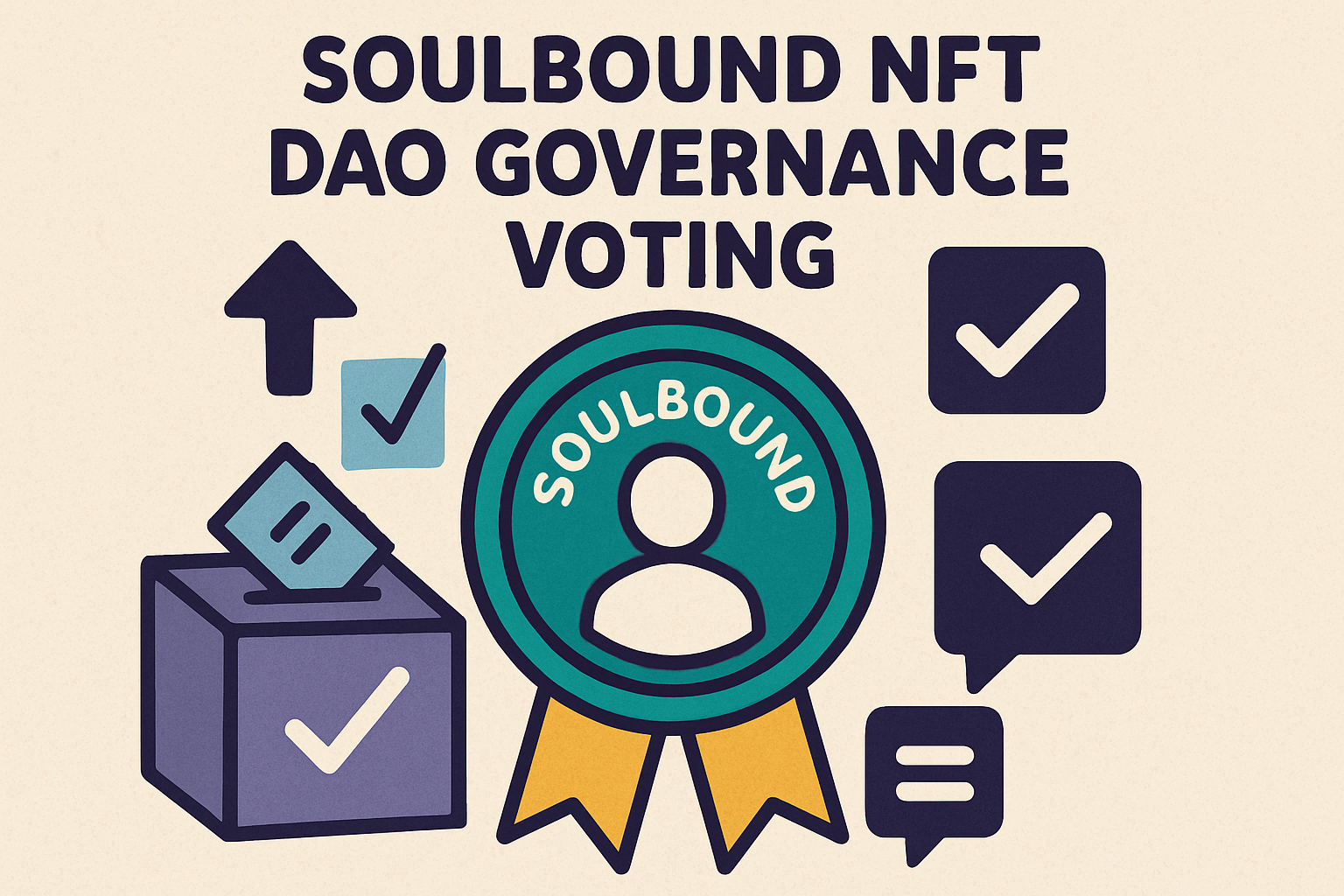
Soulbound tokens emerged from Vitalik Buterin’s vision for blockchain identity, evolving into practical tools for web3 contributor badges. Unlike tradable governance tokens, SBTs bind permanently to a wallet, ensuring voting power reflects real effort in events, proposals, or bounties. Governancenft. com highlights how these soulbound governance NFTs ignite DAO engagement, rewarding event attendance, project pushes, and proposal backing to combat apathy.
Soulbound Badges Outperform Token Voting in Merit Allocation
Traditional token-based governance invites sybil attacks and whale dominance, diluting community voice. Reputation systems via SBTs address this head-on. A16z crypto’s analysis of web3 reward tradeoffs underscores reputation’s edge: it captures non-financial value like consistent contributions, which tokens overlook. For instance, MeritDAOcracy on ETHGlobal grants soulbound badges for bounty completions, converting them into governance points alongside payments. This dual incentive boosts participation without inflating token supply.
Stader Labs describes SBTs as blockchain’s alchemy for identity, symbolizing credentials like developer audits or community service. In DAOs, they prevent vote manipulation by design. Radworks’ grant application for soulbound contributor badges critiques purely financial rewards, arguing they fail to capture reputation, making DAOs less permissionless. SBTs fix this, enabling decentralized voting NFTs that scale with merit.
Core Benefits Driving DAO Adoption
Security stands out first: non-transferability slashes risks of sold votes or mercenary capital. Governancenft. com data shows enhanced security through permanent wallet binding, ideal for high-stakes decisions. Next, sybil resistance treats each badge as a unique ID, curbing fake accounts that plague token snapshots.
DAOs thrive on fire, not apathy. Enter voting badges DAOs love: SBTs that reward event attendance, project pushes, and proposal backing.
Recognition amplifies impact. Badges prove qualifications in deal sourcing, due diligence, or marketing, as seen in KommDAO’s structure. Members earn these for active roles, turning invisible labor into verifiable status. Crypto Unicorns exemplifies this with participation and milestone badges granting governance authority, blending gaming with real power. LBank notes developers snag SBTs for audits, building web3 reputation ecosystems.
Real-World DAOs Leveraging Soulbound Power
KommDAO issues soulbound NFTs as reputation proof, linking them to tasks like investment execution. Their docs detail how these badges qualify voters, enhancing trust. MeritDAOcracy pushes further, automating badges for bounties to weight votes meritocratically. Animeconomy 2030 envisions time-weighted SBTs for long-term holders and contributors, signaling prestige over three years of activity.
Raphael Spannocchi’s Medium piece on SBT dilemmas praises their non-monetary rewards, forcing DAOs to value diverse inputs. PlayToEarn reports Crypto Unicorns players amassing NFT badges for governance, proving gamified SBTs sustain engagement. These cases validate SBTs’ role in transparent, manipulation-proof systems.
5-Step Blueprint to Deploy Soulbound Governance NFT Badges
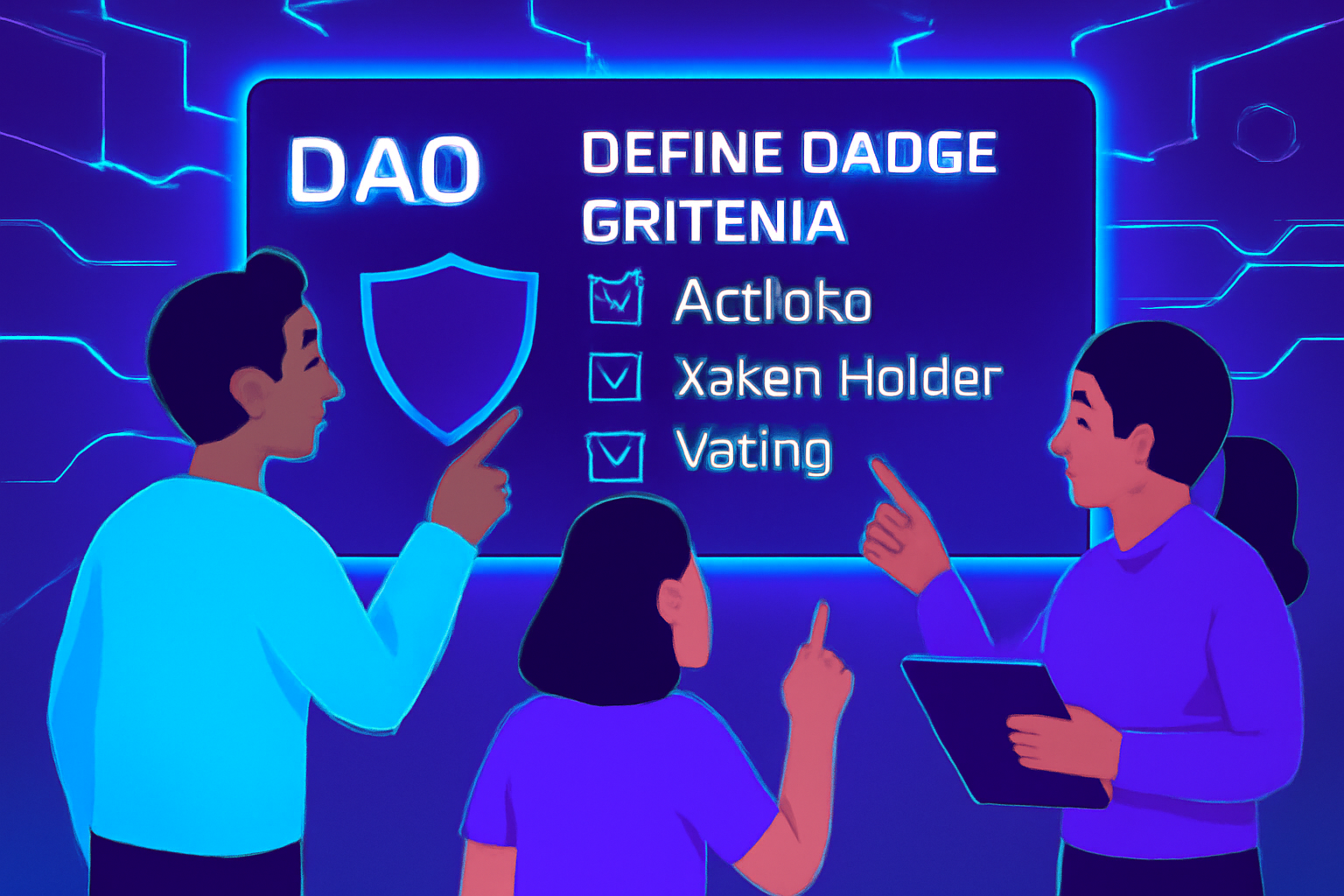

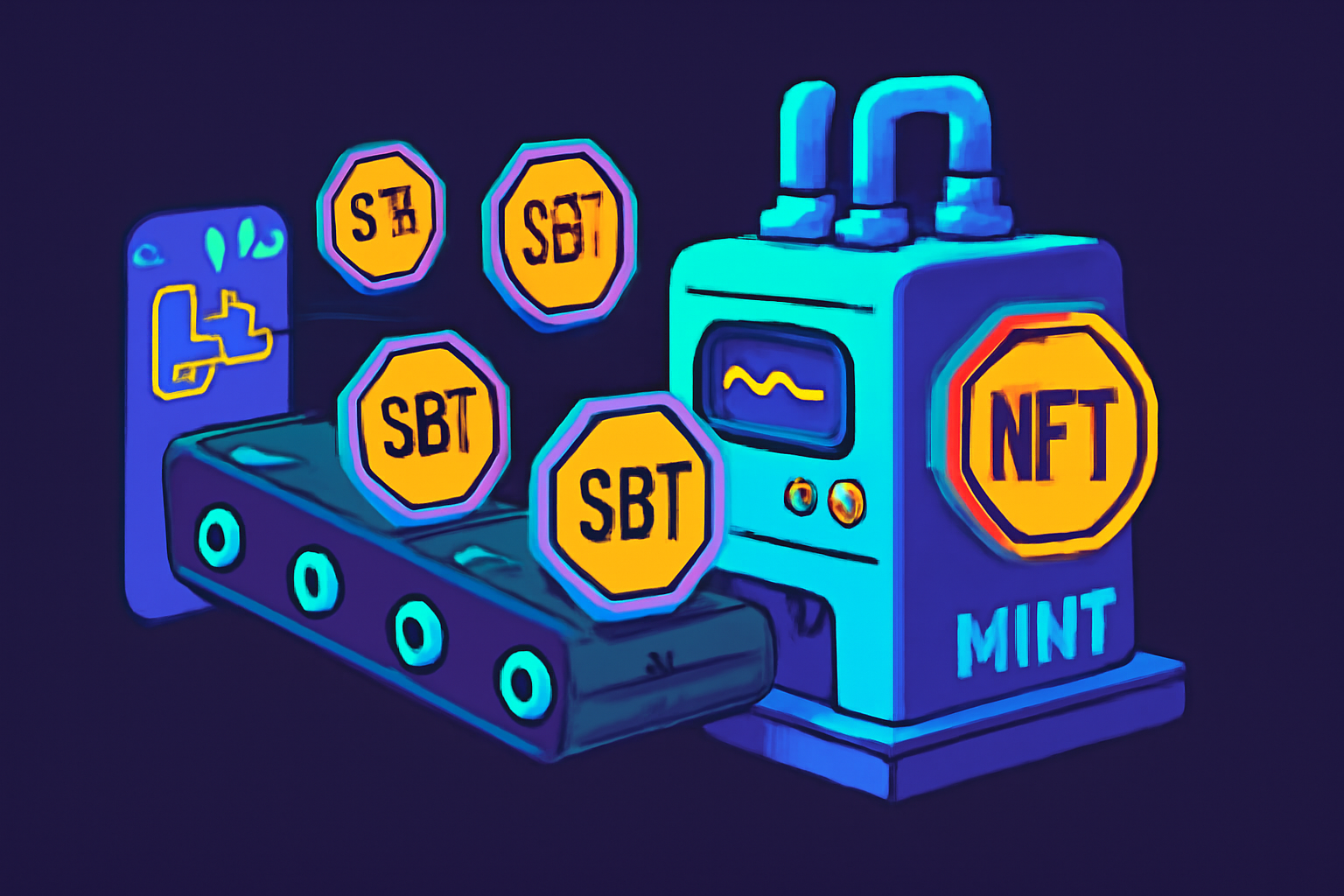
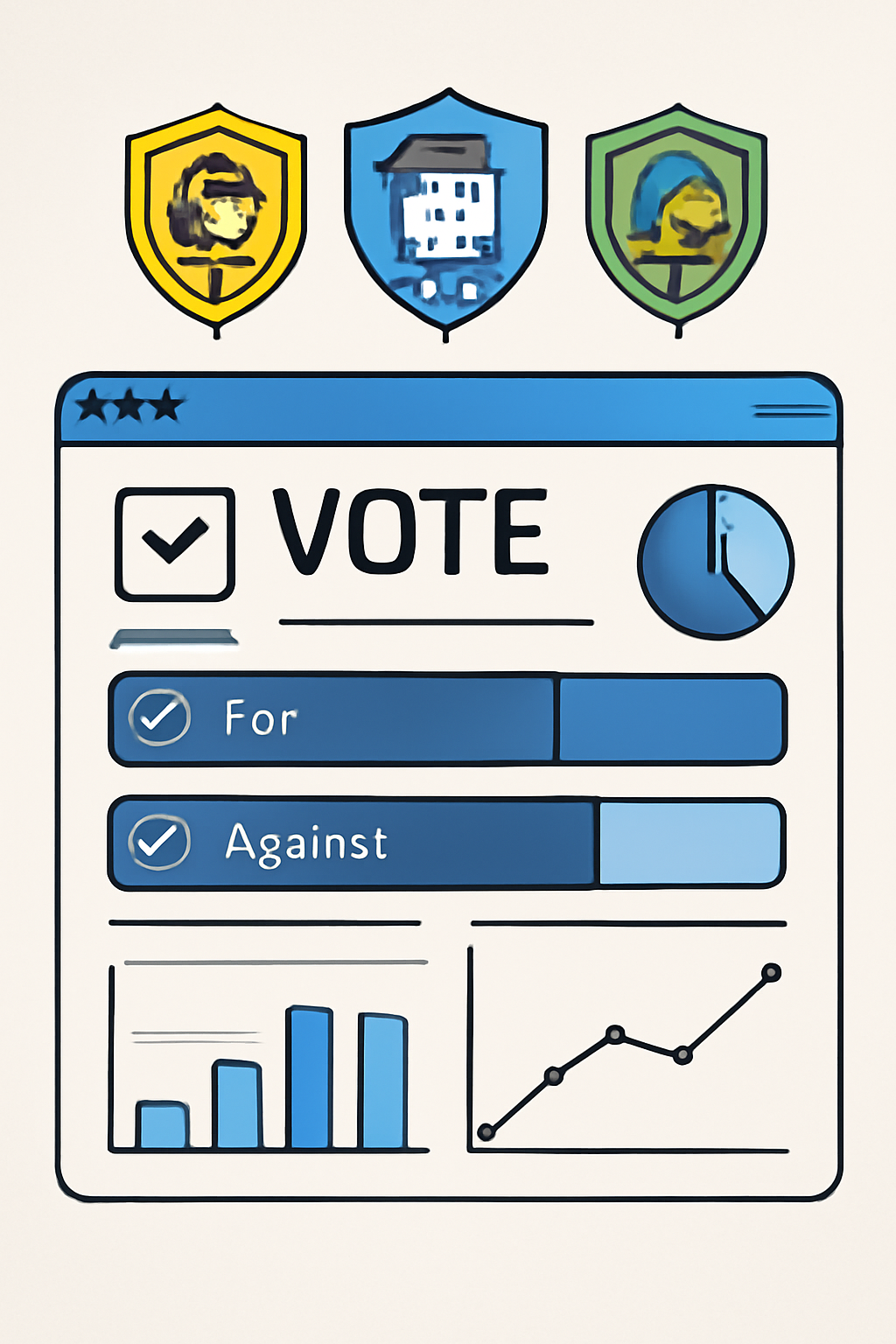
Implementation begins with clear rules, but success hinges on execution. DAOs auditing smart contracts ensure badge integrity, while automation via oracles verifies contributions instantly. Snapshot integration weights votes by badge tiers, as governancenft. com outlines in their 2025 guide. Transparent docs build participation loops, turning one-off contributors into stakeholders.
Yet automation alone doesn’t guarantee adoption. DAOs must navigate SBT design pitfalls, like over-centralized issuance or badge dilution from mass rewards. Raphael Spannocchi warns that soulbound tokens force governance beyond financial incentives, a shift many resist. The fix? Tiered badges: bronze for basic attendance, gold for sustained leadership, preventing inflation while signaling hierarchy.
Overcoming Implementation Hurdles
Audited contracts top the list for security. Governancenft. com stresses third-party reviews to block exploits, as seen in early SBT pilots where unvetted code exposed wallets. Next, oracle integration verifies off-chain contributions reliably; without it, manual claims breed disputes. For voting, Snapshot plugins now support SBT weighting, but custom forks offer finer control for multi-badge systems.
Soulbound Badges vs. Traditional Token Voting
| Aspect | Soulbound Badges | Traditional Token Voting |
|---|---|---|
| Security | High: Non-transferable nature prevents sale or transfer of voting rights, reducing manipulation risks 🛡️ | Medium: Transferable tokens allow vote buying and whale dominance |
| Sybil Resistance | High: Acts as unique digital IDs tied to wallets, preventing multiple fake identities 🔒 | Low: Vulnerable to Sybil attacks via multiple accounts or token accumulation |
| Merit Capture | High: Rewards specific contributions like event attendance, bounties, and tasks as proof of reputation 📈 | Low: Primarily based on token holdings, not individual merit or participation |
| Transferability Risks | None: Permanently soulbound to wallet, ensuring voting power stays with contributors 👻 | High: Tokens can be traded or sold, leading to plutocracy and loss of merit alignment ⚠️ |
Transparency documentation isn’t optional; it’s the glue holding communities. Publish badge criteria on-chain via IPFS, linking to dashboards tracking issuance history. This setup, detailed in Governancenft. com’s issuance guide, turns skeptics into advocates by proving fairness.
Cost considerations matter too. Gas fees for minting SBTs add up in high-volume DAOs, but layer-2 solutions like Optimism slash them by 90%. Early movers like Crypto Unicorns layer badges into gameplay, offsetting expenses through retention. The data backs it: DAOs with SBTs report 3x higher proposal turnout, per aggregated Governancenft metrics.
Soulbound badges act as unique digital IDs, ensuring each vote is tied to a unique participant, thereby preventing fraudulent activities like Sybil attacks.
Actionable Roadmap for Your DAO
Start small: pilot badges for one working group, measuring uplift in engagement before scaling. Track metrics like vote participation rates pre- and post-launch. Tools from Governancenft. com, including no-code badge generators, cut setup time to hours. Integrate with Discord bots for real-time notifications, nudging members toward earnable actions.
Layer in social proof. Display badges on wallet profiles via platforms like RabbitHole or Coordinape, amplifying status signaling. This creates flywheels: visible prestige draws talent, fueling more contributions and badges. Animeconomy’s time-weighted model adds longevity, decaying inactive badges to prioritize current actors.
Looking ahead, hybrid systems blend SBTs with quadratic voting, optimizing for both merit and inclusivity. A16z’s reward tradeoff analysis predicts reputation tokens dominating as DAOs mature. Projects like Radworks push permissionless issuance, where anyone verifies contributions for badges, democratizing access.
Governancenft. com equips DAOs with plug-and-play solutions for soulbound governance NFTs, from custom minting to analytics. Early adopters gain first-mover prestige in a merit-driven web3. Deploy today to lock in DAO voting badges that endure market cycles, building resilient governance that rewards builders over speculators.
About the Author