
Decentralized Autonomous Organizations (DAOs) are in the midst of a governance revolution. The classic model of token-weighted voting is being challenged for concentrating power in the hands of whales, often leaving smaller contributors feeling sidelined. Enter quadratic voting in DAOs and NFT governance badges: two innovations that are reshaping how decentralized communities make decisions and reward true participation.

Quadratic Voting: The Anti-Whale Mechanism for DAOs
Quadratic voting (QV) isn’t just a buzzword – it’s a mathematical approach to balancing influence within DAO ecosystems. Instead of each token equaling one vote, QV lets members express the intensity of their preferences by purchasing multiple votes, but at an exponentially increasing cost. For example, one vote costs 1 token, two votes require 4 tokens, three votes demand 9 tokens. This quadratic cost curve means that doubling your influence is far more expensive than simply doubling your tokens.
This mechanism is already gaining traction across top DAOs and public goods funding platforms. According to recent reports from governancenft. com, projects like Gitcoin and Crypto Unicorns have made quadratic voting their preferred governance solution. The result? Power concentration is reduced, minority voices matter more, and proposals reflect genuine community sentiment rather than just deep pockets.
NFT Governance Badges: Merit Over Money
But what if we could go beyond mere anti-whale mechanics? That’s where NFT governance badges come into play. These on-chain credentials act as verifiable proof of a member’s contributions, expertise, or role within a DAO. Unlike fungible tokens that can be bought or sold at will, NFT badges are unique to each contributor and often non-transferable.
This opens up new frontiers for fair DAO voting. Imagine a system where voting power is not just tied to wallet size but also to your actual impact on the project – code commits, governance proposals authored, community events hosted. By assigning weight to these NFT badges within the quadratic voting framework, DAOs can ensure that influence is earned through meaningful action rather than simply financial stake.
The synergy between QV and NFT badges creates a two-pronged defense against plutocracy: it limits raw capital dominance while elevating proven contributors. Platforms like iZUMi Finance are already pioneering this hybrid model with vote-escrowed NFTs (veNFTs), where both locked tokens and badge-based achievements factor into your real-world governance clout.
The Practical Impact: Transparent and Inclusive Governance
The combined use of quadratic voting NFT systems and reputation-based badges doesn’t just sound good on paper – it delivers tangible benefits:
- Reduced Power Concentration: Quadratic cost curves make it impractical for whales to dominate outcomes.
- Meritocratic Influence: Badges tie decision-making power directly to verifiable contributions.
- Transparent Records: Every badge and vote is immutably recorded on-chain for full auditability.
- DAO Participation Incentives: Members know their engagement will be rewarded with real influence – not just empty titles.
This isn’t theoretical anymore; it’s happening now across leading DAOs looking to futureproof their communities against centralization risks.
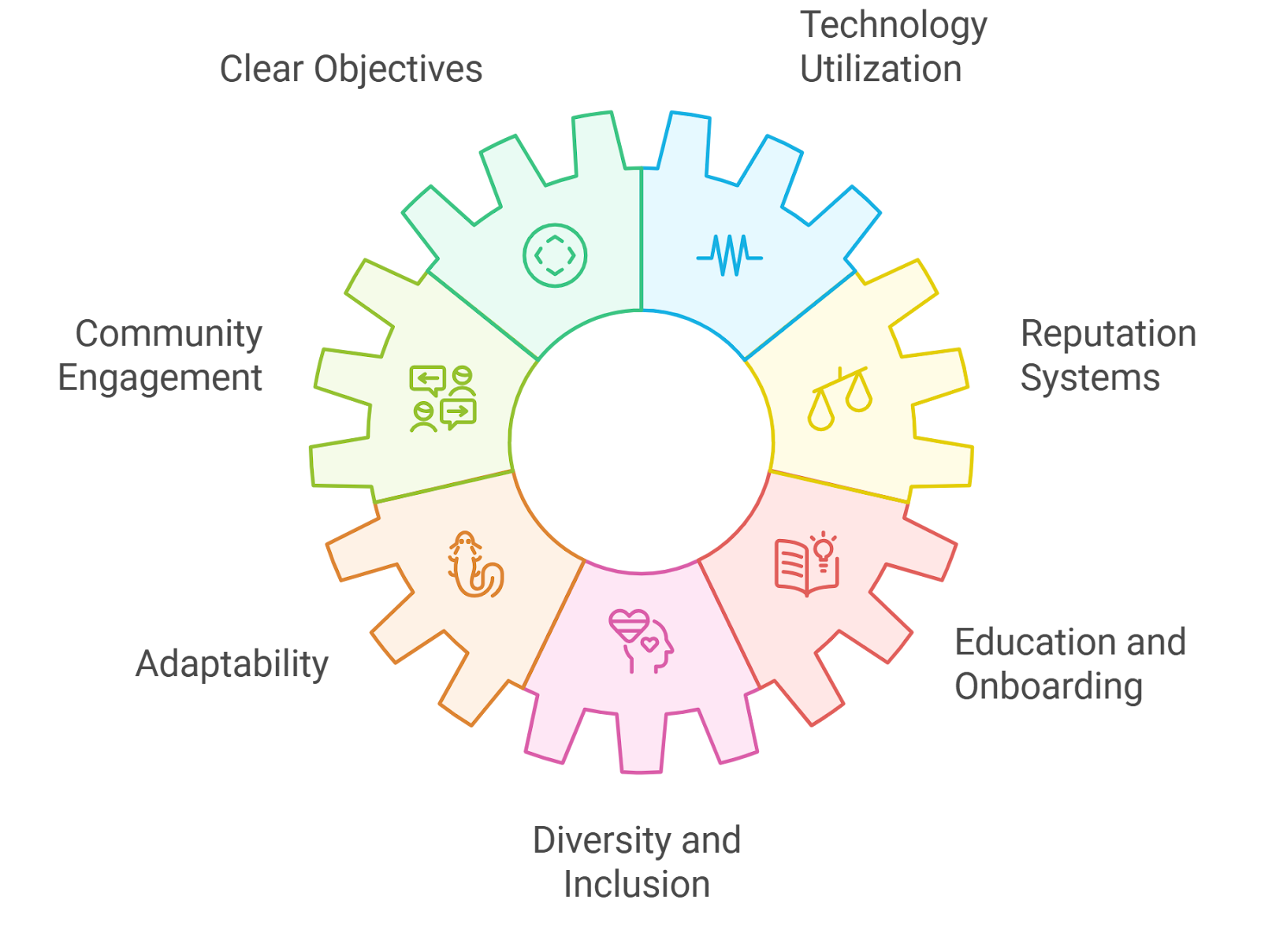
Still, the real game-changer is how quadratic voting and NFT badges unlock new incentives for DAO participation. When members know their votes are amplified by both their commitment (via quadratic voting) and their provable impact (via NFT badges), they’re motivated to contribute more, not just accumulate tokens. This dynamic aligns perfectly with the ethos of decentralized governance: rewarding those who build, moderate, educate, or otherwise shape the DAO’s trajectory.
Top Advantages of Quadratic Voting with NFT Badges in DAOs
-
Prevents Power Concentration: Quadratic Voting makes it exponentially costly for large token holders to dominate decisions, while NFT badges ensure voting power is earned through real contributions, not just token accumulation.
-
Rewards Meaningful Participation: NFT badges like those used in Gitcoin Passport or iZUMi Finance veNFTs recognize and amplify the influence of active, contributing members.
-
Enables Nuanced, Role-Based Voting: DAOs can assign NFT badges for specific roles or achievements, enabling quadratic voting based on badge tiers or time-locked influence, as seen in platforms like GovernanceNFT.
-
Boosts Transparency and Accountability: On-chain NFT badges provide a verifiable, immutable record of each member’s contributions and voting rights, fostering trust within the DAO community.
-
Drives Higher Engagement and Community Growth: Members are motivated to participate and contribute, knowing their efforts are rewarded with increased, merit-based voting power through NFT badges and quadratic voting systems.
Consider the Gitcoin Passport model. Here, voter eligibility and reputation are validated through NFT-based badges, think proof of past donations or verified identity, which directly feed into quadratic funding rounds. The result? Sybil resistance is enhanced, bots are filtered out, and each real contributor’s voice carries proportional weight. This is a far cry from the old days when whales could sway outcomes with a single transaction.
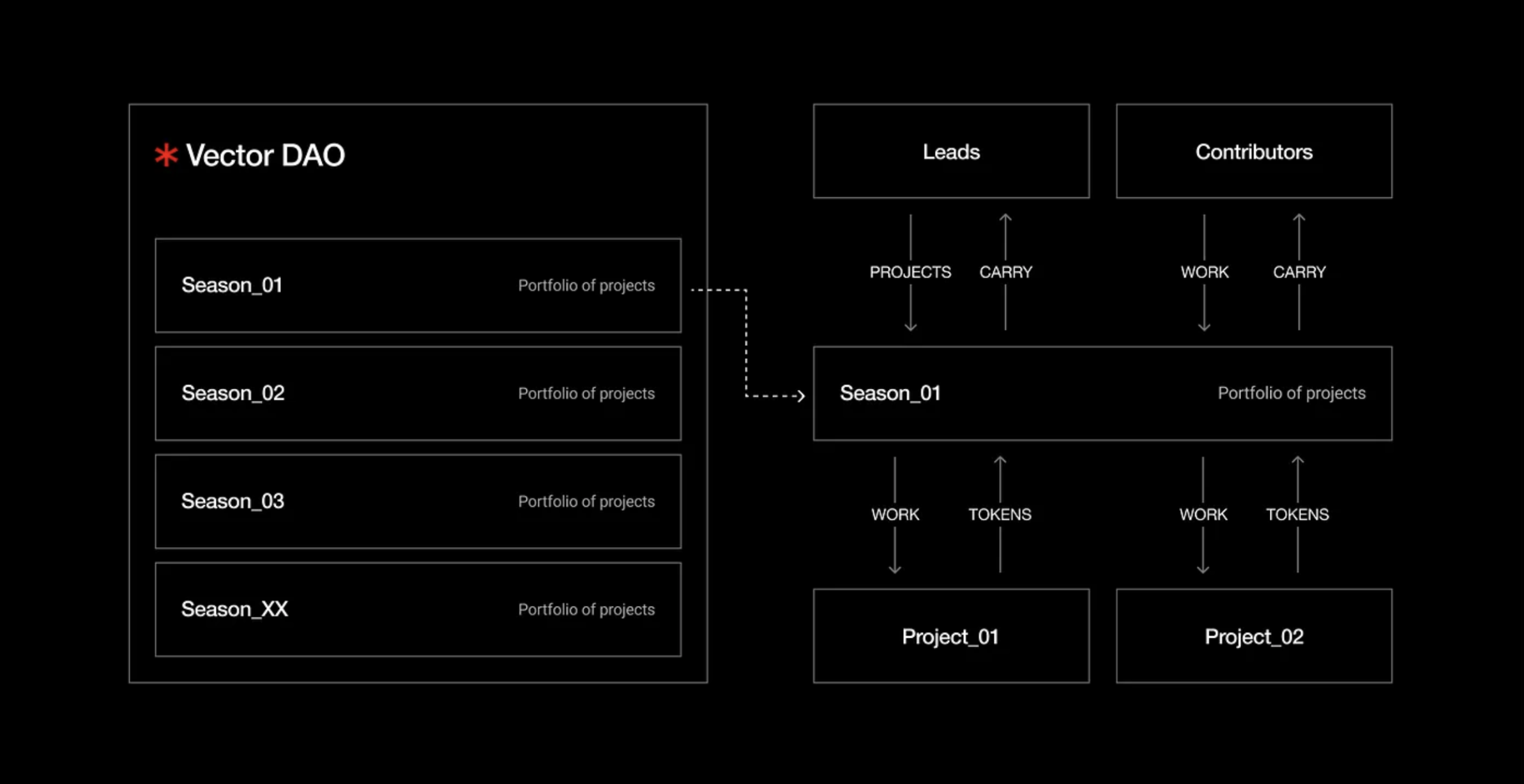
For DAOs seeking to futureproof governance, these tools are already available and battle-tested. Platforms like Governance NFT Badges make it easy to issue, manage, and showcase custom badges tied to on-chain activity or off-chain achievements. By integrating these badge systems with quadratic voting logic at the smart contract level, DAOs can enforce nuanced rules, role-based weighting, badge tiers for advanced privileges, even time-locked influence that rewards long-term engagement.
Challenges and Next Steps: Scaling Fairness Without Friction
No system is perfect yet. Quadratic voting requires robust anti-Sybil mechanisms, otherwise one person could create dozens of wallets to game the system. That’s where NFT badges shine as identity anchors: non-transferable credentials that tie influence to real contributions rather than disposable addresses.
The next evolution? Expect DAOs to experiment with more granular badge types (e. g. , devs vs. community managers), dynamic weighting based on recent activity, and cross-DAO reputation networks where your governance clout travels with you across projects. For a deep dive into how these models work in practice, and how you can implement them, check out our resource on issuing governance NFT badges for DAO voting rights.
The bottom line: By combining quadratic voting in DAOs with verifiable NFT governance badges, decentralized organizations finally have a toolkit that balances merit with passion and neutralizes whale dominance without stifling genuine enthusiasm. It’s a new era for fair DAO voting, where every voice counts not just by volume but by value.
About the Author