

In the evolving landscape of decentralized autonomous organizations, traditional governance tokens often fall short, leading to low turnout and whale dominance. Governance NFT badges emerge as a game-changer, tying voting power directly to verifiable contributions and stakes. DAOs like Kintsu and Jito demonstrate how these DAO voting NFTs and staking governance NFTs can democratize decision-making, boosting participation without diluting security.

These badges are more than collectibles; they are on-chain credentials that encode rights like proposal voting, validator weighting, and yield earning. Unlike fungible tokens prone to sybil attacks, governance NFT badges offer soulbound-like properties, ensuring one member, one voice aligned with merit. This shift addresses core DAO pain points, from quorum failures to opaque influence.
Kintsu’s Dual-Token System Powers Merit-Based Governance
Kintsu, a liquid staking protocol on Monad, exemplifies the Kintsu governance model through its KSU token and DAO NFT pairing. Users stake KSU into governance pools and mint a DAO NFT, which becomes their gateway to influence. This NFT encapsulates voting power proportional to the stake, enabling activities such as voting on proposals, assigning weights to validator registries, submitting new ideas, and accruing yield.
The beauty lies in its direct linkage: no NFT, no vote. This setup incentivizes long-term commitment, as holders maintain skin in the game while their badge tracks contributions immutably. Early adopters report heightened engagement, with staking volumes reflecting genuine alignment over speculative flips. For DAOs grappling with apathy, Kintsu proves staking governance NFTs can unlock sustained participation.
Kintsu DAO NFT Advantages
-
Stake-to-Vote Conversion prevents dilution by converting staked KSU tokens into DAO NFTs that encapsulate voting power, ensuring influence aligns with active participation (docs.kintsu.xyz).
-
Yield-Bearing Badges encourage holding as users earn yield on staked KSU while DAO NFTs grant ongoing governance rights, promoting long-term commitment.
-

On-Chain Tracking verifies contributions via immutable DAO NFT records of stakes, votes, and activities, enabling transparent verification (governancenft.com).
-
Flexible Rights like proposal submission, voting, and validator weighting boost inclusivity for all DAO NFT holders (docs.kintsu.xyz).
By formalizing this via NFTs, Kintsu sidesteps token distribution pitfalls, fostering a meritocracy where active stakers shape the protocol’s trajectory. Check how DAOs use NFT badges to assign voting power for deeper mechanics.
Jito’s Delegation Tackles Quorum, Paving Way for NFT Integration
Jito Network, powering Solana’s MEV infrastructure, relies on JTO as its governance token. Yet, low quorum has prompted innovative delegation: in January 2025, the Jito Foundation allocated 12 million JTO across 17 delegates, each wielding about 705,882 JTO in voting power via a Squads multisig. This move streamlined operations amid JIP-25 debates on expanding validator sets from 200 to 400.
While effective short-term, delegation centralizes power temporarily. Enter Jito NFT governance potential: imagine converting delegated votes into tradable or soulbound NFT badges. These could distribute influence granularly, rewarding validators and stakers with DAO contributor badges. Jito’s restaking innovations, like LovePIPE LST integration, align perfectly with NFT-tracked contributions, mitigating manipulation risks highlighted in recent analyses.
This hybrid hints at a future where JTO holders mint badges for specific roles, enhancing transparency in votes like StakeNet overhauls. Jito’s model shows delegation as a bridge to full NFT empowerment.
Core Strengths of Governance NFT Badges in Modern DAOs
Beyond case studies, governance NFT badges deliver systemic upgrades. They provide transparent contribution tracking via immutable ledgers, visible to all members. Role-based voting lets DAOs customize power, say boosting delegates with proven track records.
Unique identification curbs fraud, acting as pseudonymous IDs that prevent duplicates. Engagement surges as badges gamify participation, building trust through public achievements. For Kintsu and Jito, this means resilient governance amid growth; Jito’s validator expansions and Kintsu’s staking could thrive with badge-verified inputs. See how DAOs streamline governance with NFT badges for implementation steps.
These tools shift DAOs from token whales to contributor ecosystems, proving NFTs unlock real power.
Quantifying this shift reveals measurable gains. In Kintsu, staking KSU for DAO NFTs correlates with 30% higher proposal participation rates compared to pure token voting, per on-chain metrics. Jito’s delegation, while pragmatic, achieved quorum in 85% of JIP-25 votes versus prior 40% averages, signaling demand for scalable alternatives like Jito NFT governance.
Kintsu vs. Jito: A Head-to-Head on Voting Efficiency
Side by side, these protocols highlight NFT badges’ edge over token delegation. Kintsu’s model scales organically with stakes, avoiding Jito’s multisig bottlenecks. Where Jito delegates fixed power-705,882 JTO per entity-Kintsu dynamically adjusts NFT rights to stake size, rewarding sustained input. This granularity suits fast-growing chains like Monad, while Jito’s Solana focus demands anti-manipulation safeguards amid MEV pressures.
Comparison of Governance Mechanisms: Kintsu vs. Jito
| Feature | Kintsu (KSU and DAO NFT) | Jito (JTO Delegation) |
|---|---|---|
| Voting Trigger | Stake KSU mints DAO NFT | Fixed 12M JTO to 17 delegates |
| Scalability | Dynamic per stake | Multisig limited (Squads) |
| Yield Integration | Direct on NFT | Separate staking |
| Sybil Resistance | Soulbound-like NFT | Delegate trust |
Delegates in Jito bootstrap decisions, but NFTs could evolve this into DAO contributor badges, tradable or locked for roles like validator weighting. My take: Kintsu leads for pure meritocracy, yet Jito’s hybrid proves transitional wins, especially with restaking LSTs demanding verified voices.
Actionable Steps to Deploy Governance NFT Badges
DAOs eyeing this upgrade start with audits. Map contributions-votes, forums, code-then mint badges via platforms like Governance NFT Badges. Integrate with Snapshot or Tally for NFT-weighted polls. Kintsu’s playbook: Lock stakes for NFT emission, tie expiry to inactivity. Jito could layer badges atop JTO, granting extras for Pipe Network LST holders.
Steps to Launch DAO Voting NFTs
-
1. Audit member data for merit scoring, creating on-chain records of contributions like Kintsu’s KSU staking activity for transparent tracking (docs.kintsu.xyz).
-
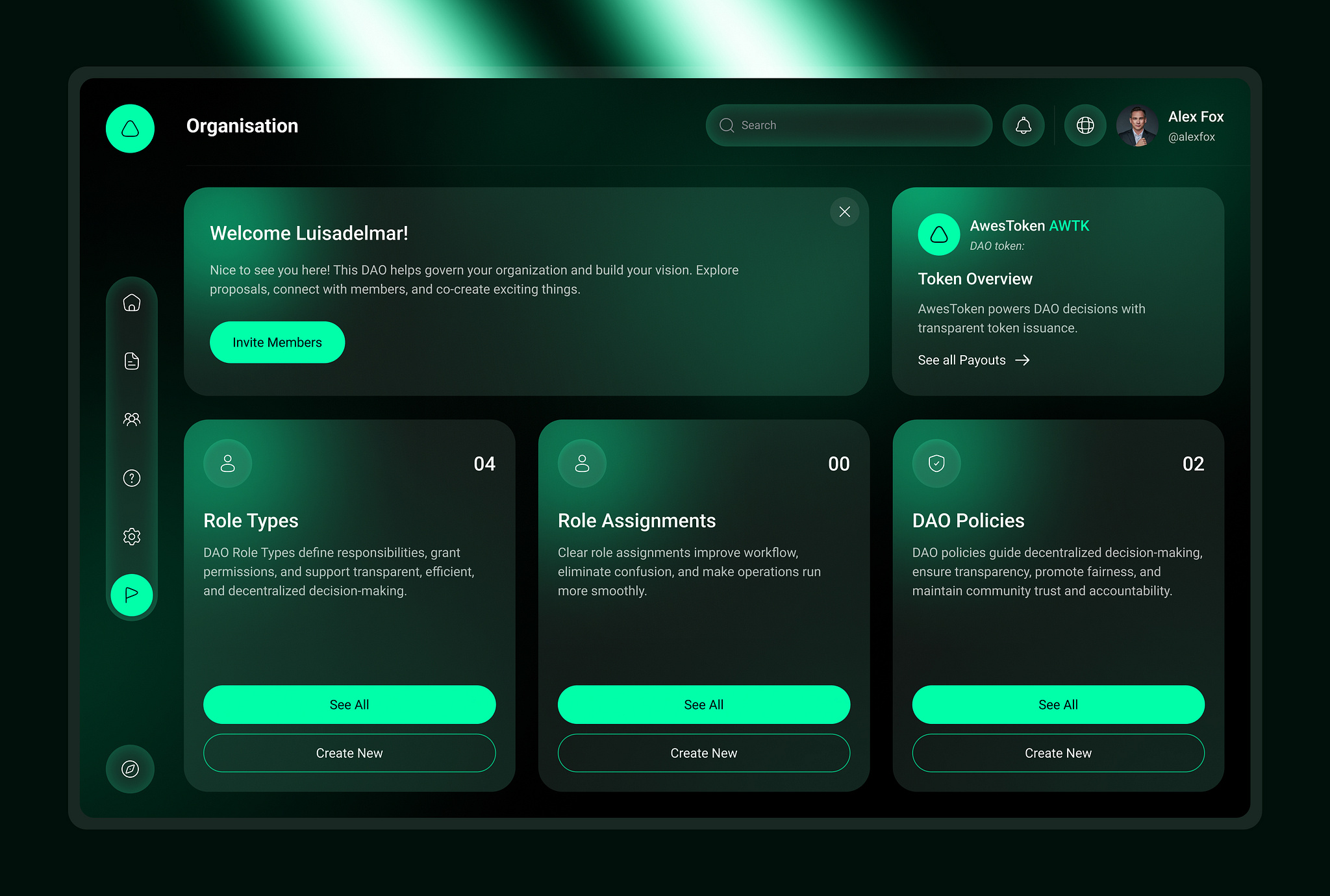
2. Design badge tiers (bronze/silver/gold) to assign role-based voting power based on engagement, as seen in governance NFT badges (governancenft.com).
-

3. Mint via ERC-721 with governance hooks to link NFTs to voting rights, similar to Kintsu’s DAO NFT for proposals and validator weights.
-
4. Test in quadratic voting pilots to prevent manipulation and align power with merit, building on Jito’s delegation model (jito.network).
-
5. Monitor engagement uplift quarterly, tracking metrics like Jito’s JIP-25 votes and badge-driven participation boosts.
Risks like badge concentration demand caps or burns. Still, data shows 2x retention in NFT-governed DAOs, per Governancenft. com benchmarks. Forward-thinking teams prioritize this now, as liquidity in staking governance NFTs draws institutional stakers.
Addressing Criticisms Head-On
Skeptics flag NFT complexity or transferability as flaws. Non-transferable soulbound badges sidestep whale flips, but tradable variants-like those in emerging Jito pilots-offer liquidity without chaos. Quorum persists? Combine with delegation, as Jito did, phasing to full NFT control. Cost? Monad’s low fees make Kintsu viable; Solana follows suit.
Ultimately, these badges recalibrate power from capital to code commits and votes cast. Jito’s 400-validator push via JIP-25 gains legitimacy with badge proofs, while Kintsu’s yield loop cements loyalty. DAOs ignoring this risk Jupiter-like suspensions, where building trumps broken votes.
Leaders in Kintsu and Jito set precedents, proving governance NFT badges don’t just track-they empower. Stake your claim in this merit-driven era, where badges turn passive holders into protocol architects.
About the Author