

Tradable governance NFT badges are reshaping how decentralized autonomous organizations allocate voting power, offering a liquid alternative to static token holdings. Unlike traditional governance tokens that can concentrate influence among early investors, these NFTs reward contributions with verifiable on-chain credentials that holders can trade, stake, or leverage for enhanced DAO participation. This approach fosters merit-based governance while maintaining market-driven liquidity, addressing a core tension in many DAOs where voting power fails to reflect ongoing involvement.
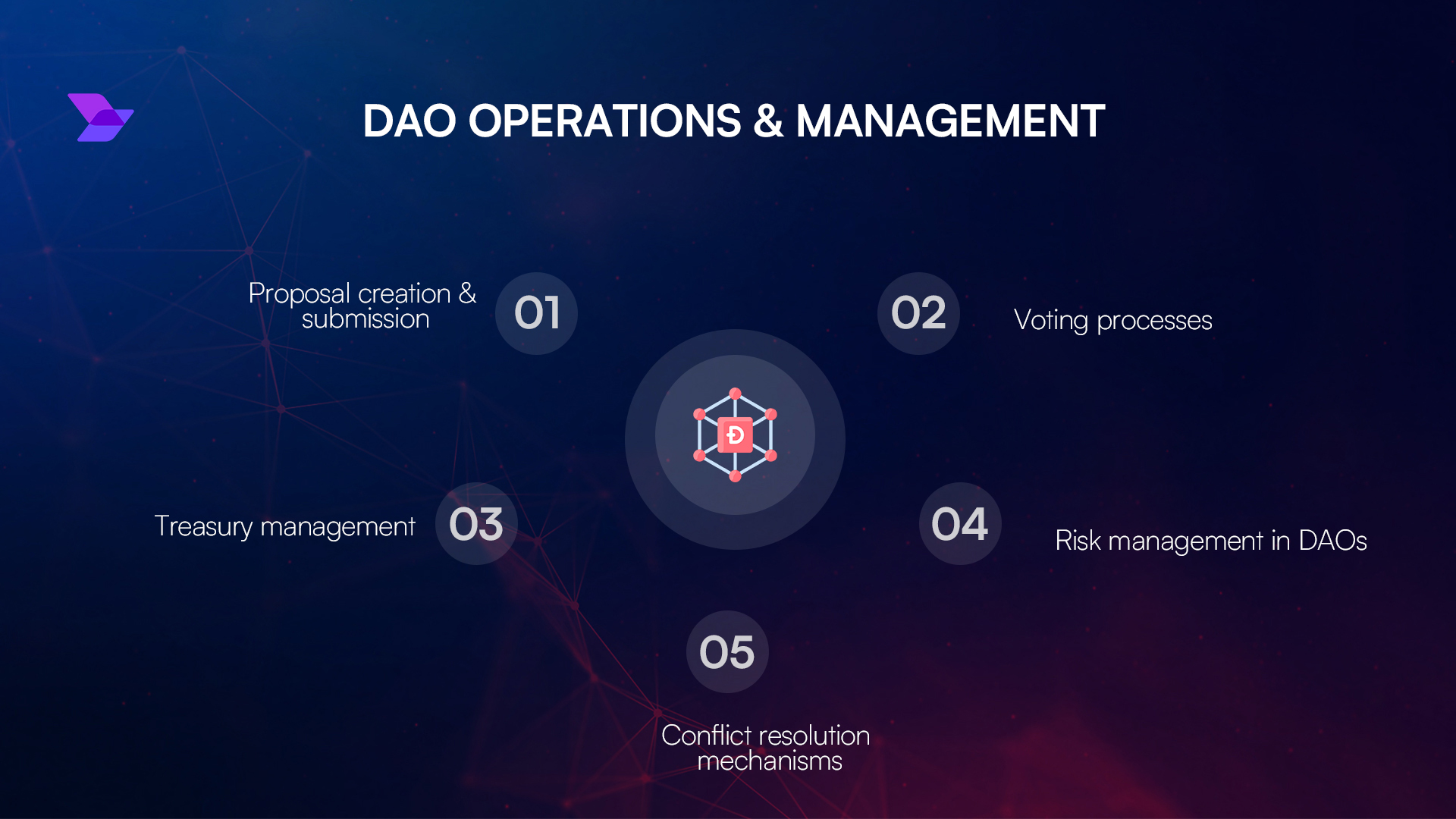
As DAOs mature, the demand for tradable DAO voting NFTs grows. They enable contributors to monetize their reputation without relinquishing influence entirely, creating dynamic ecosystems where voting weight aligns with value added. Platforms like Governance NFT Badges simplify issuance, but success hinges on deliberate design from the outset.
Establishing Robust Criteria for Governance NFT Badges
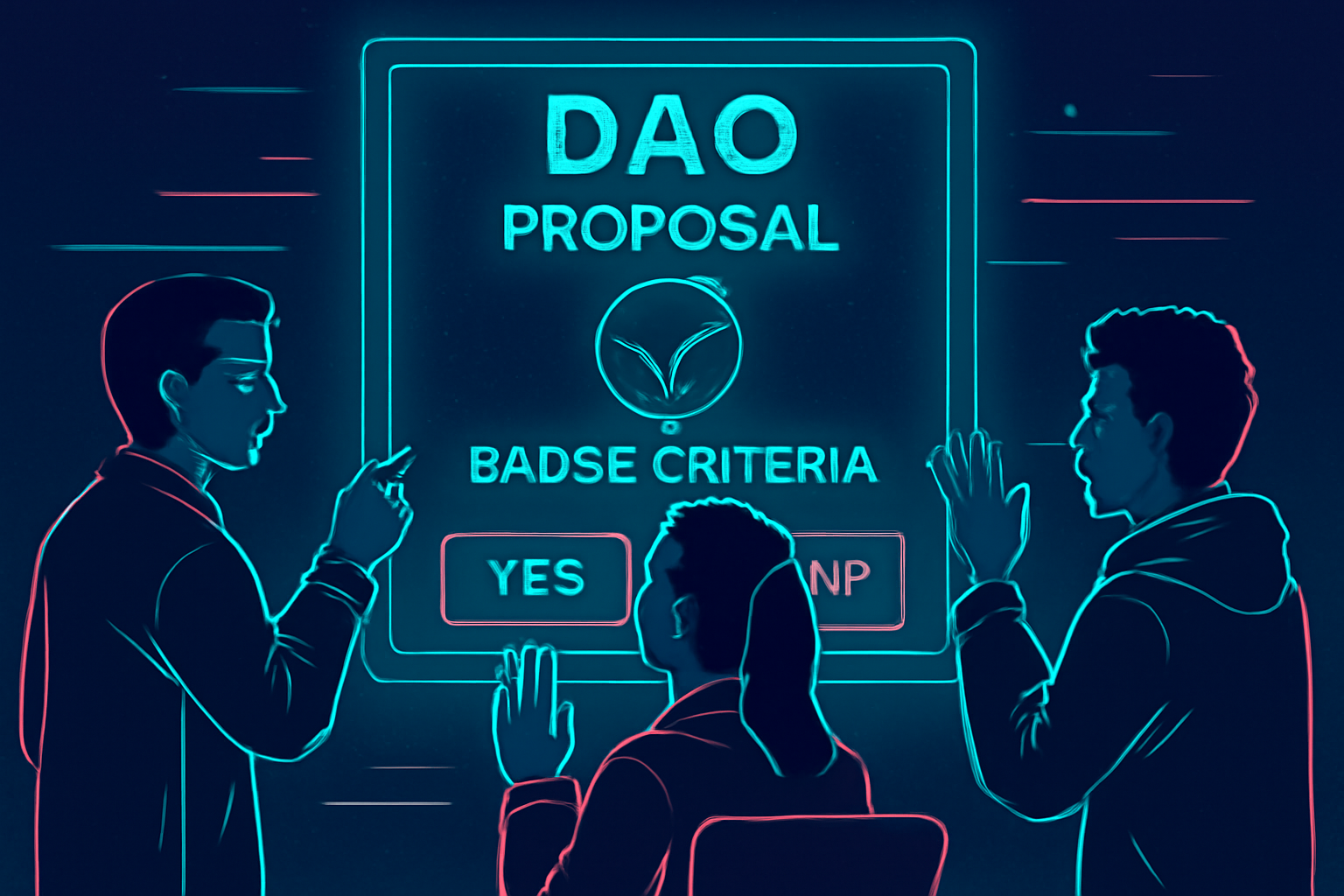
Before minting any governance NFT badges, define precise eligibility rules tied to measurable contributions. Vague standards breed disputes; instead, specify thresholds like completed bounties, forum moderation hours, or proposal endorsements. For instance, a "Core Contributor" badge might require 50 and GitHub commits over six months, while a "Proposal Champion" demands three ratified initiatives.
This meritocratic foundation prevents badge dilution and builds trust. I've seen DAOs falter when badges become participation trophies, eroding their signaling value. Assign tiered voting multipliers- say, 1x for basic, 5x for elite- ensuring higher badges grant proportional NFT voting power in DAOs. Document everything on-chain or via IPFS for immutable reference.
Clear criteria turn badges into aspirational assets, driving sustained engagement over fleeting hype.
Crafting Secure Smart Contracts for Tradable Badges
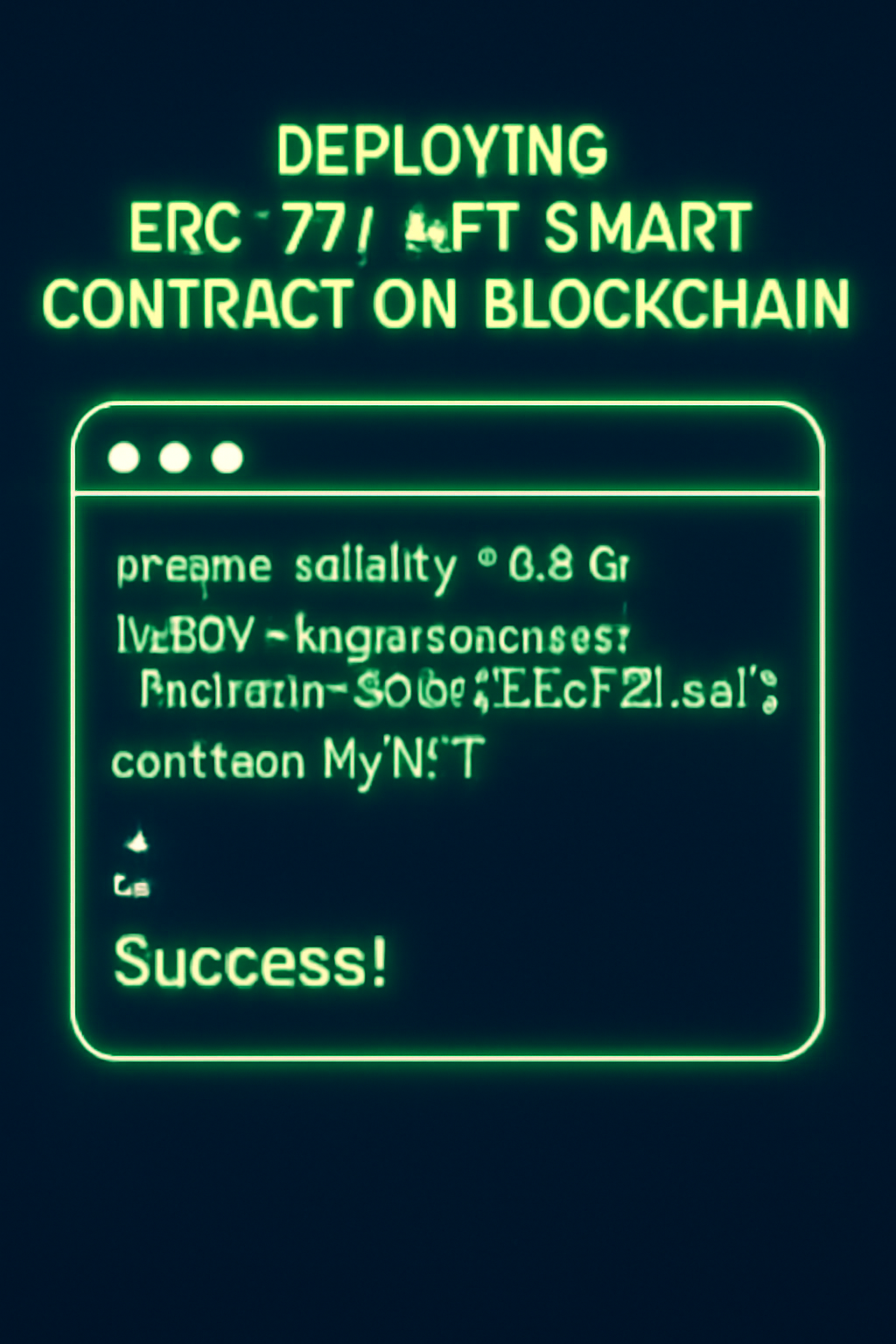
With criteria set, develop ERC-721 or ERC-1155 compliant smart contracts to handle minting, transfers, and governance hooks. Use OpenZeppelin libraries for battle-tested security, incorporating role-based access controls to restrict minting to verified DAO multisigs. Enable trading on marketplaces like OpenSea while embedding transfer restrictions if needed- for example, cooldowns to curb speculative flips.
Integrate soulbound elements selectively; full tradability via liquid governance NFTs allows reputation markets to emerge naturally. Audit contracts rigorously- tools like Slither or Mythril catch vulnerabilities early. Deploy on cost-effective L2s like Optimism to minimize gas fees, making badge acquisition accessible.

Opinion: Pure soulbound tokens stifle liquidity, but unchecked tradability invites plutocracy. Hybrid models, where badges accrue passive boosts over hold time, strike the pragmatic balance.
Seamless Integration with DAO Voting Platforms
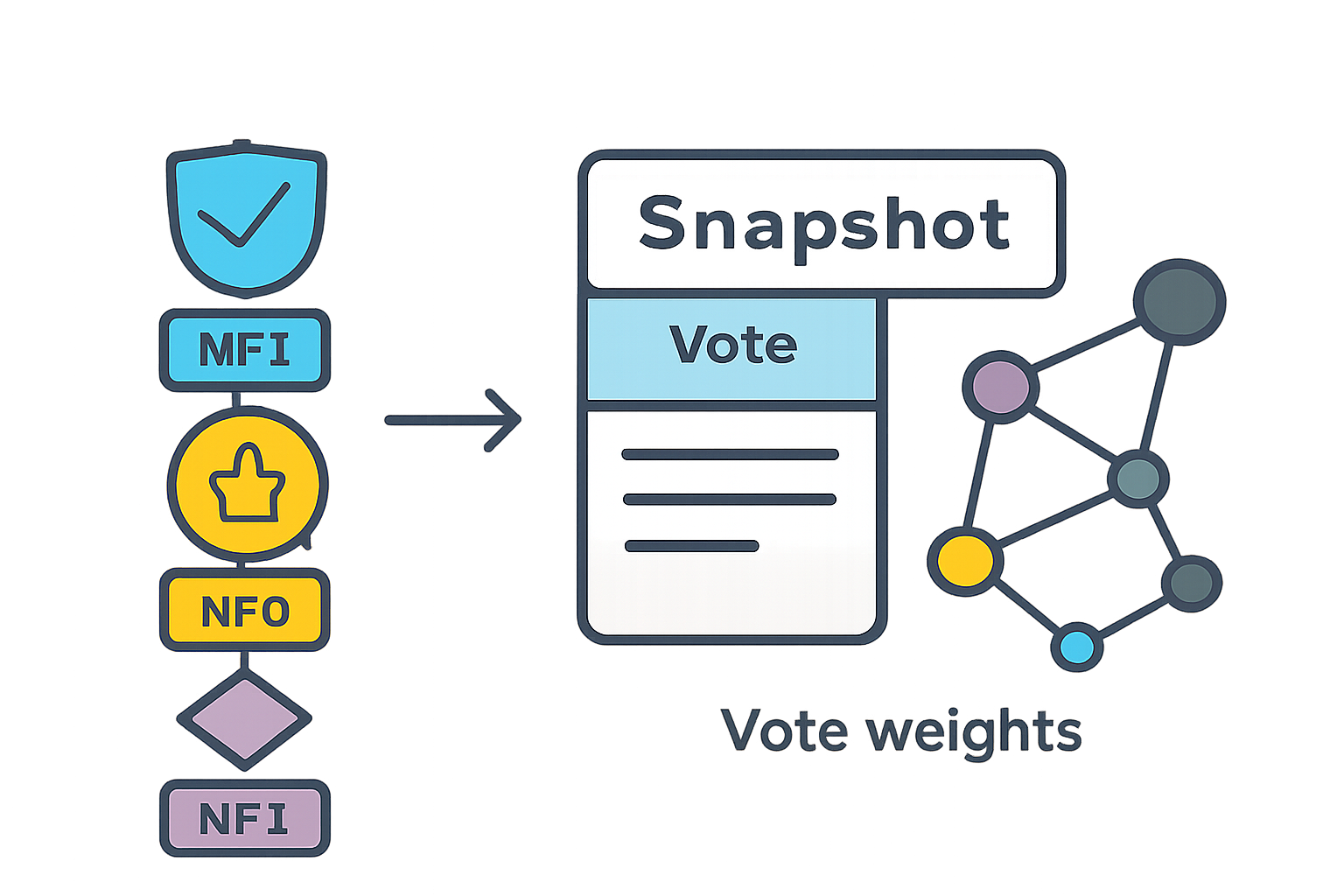
Tradable badges shine when plugged into governance tools like Snapshot or Tally. Configure plugins to query NFT holdings, weighting votes by badge rarity or count. For gasless voting, off-chain signing with on-chain delegation verifies ownership without congestion.
Test integrations thoroughly: simulate transfers mid-vote to confirm real-time power adjustments. This dynamism- where buying a badge instantly boosts influence- injects vitality into stagnant DAOs. Platforms such as Governance NFT Badges offer no-code setups, but custom contracts unlock finer control for sophisticated setups.
Real-world examples validate the model. RootstockCollective's dynamic NFTs tie roles to BTC rewards and votes, while Crypto Unicorns lets players stake badges for amplified say. These cases prove issue governance badges for DAOs scales participation without chaos.
MeritDAOcracy takes it further with soulbound badges for bounty completers, converting to tradable governance points that fuel merit-based votes. These implementations highlight how tradable DAO voting NFTs evolve from static signals to active markets, where reputation becomes a tradable asset class.
Step-by-Step Process to Issue and Launch Tradable Badges
Issuing badges demands a structured rollout to avoid early missteps. Begin by rallying your DAO community for buy-in through a governance proposal outlining criteria and mechanics. Once approved, select a platform like Governance NFT Badges for streamlined minting, or code custom contracts if your needs diverge.
Master Tradable Governance NFT Badges: DAO Voting Power Guide
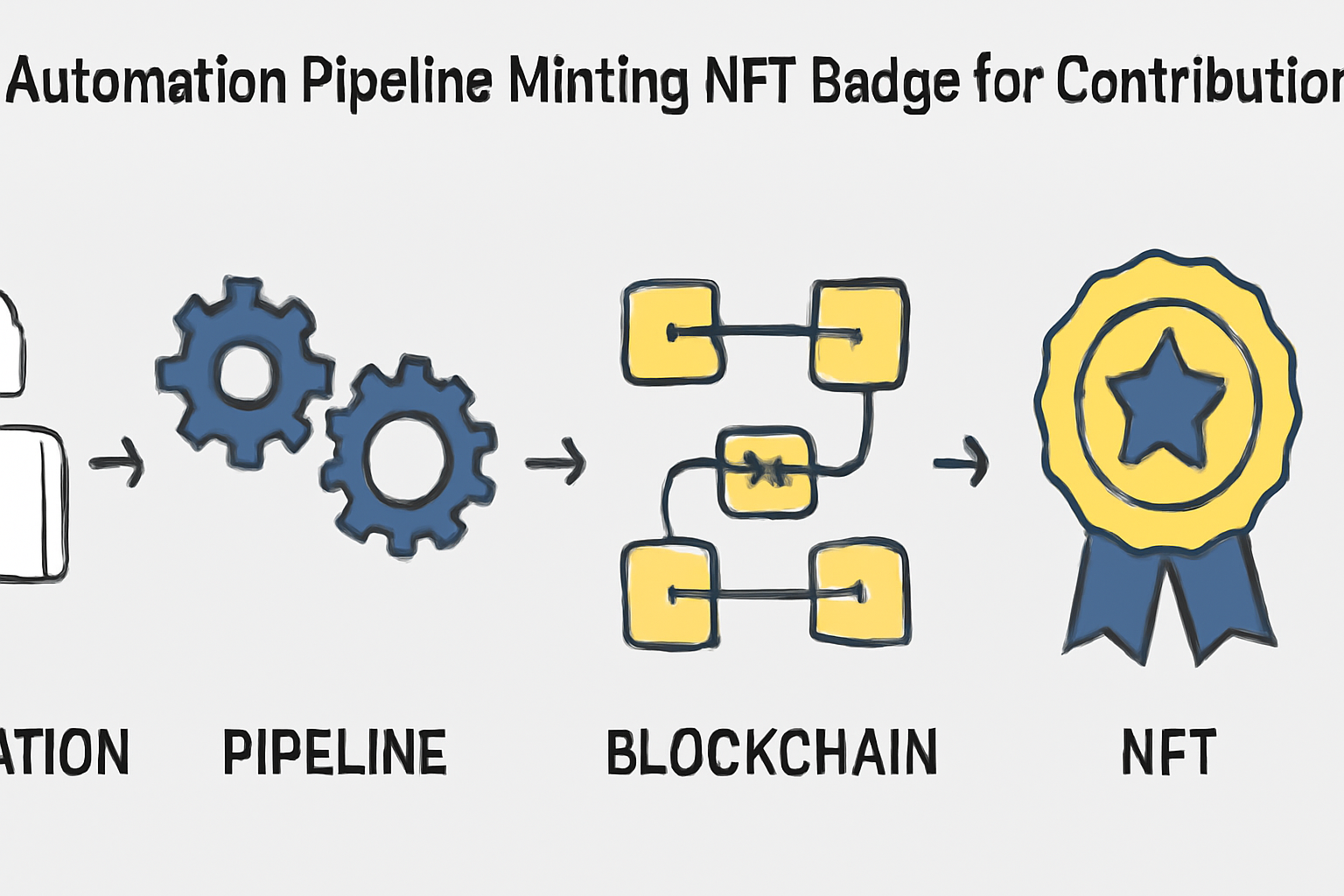

Automation elevates the process: link contracts to tools like Gitcoin or Discord bots for instant minting upon verified actions. This reduces admin overhead and scales with growth. Post-launch, seed initial badges to top contributors to bootstrap the system, sparking organic trading.
Pragmatism dictates starting small- pilot with one badge type before expanding tiers. I've advised DAOs where overambitious multi-tier launches fragmented focus; measured pilots build momentum.
Platforms and Tools Comparison
Choosing the right infrastructure separates functional badges from forgotten experiments. Governance NFT Badges leads with user-friendly interfaces tailored for DAOs, but alternatives exist for niche requirements.
Comparison of Platforms for Tradable Governance NFT Badges
| Platform | Key Features | Tradability | Integration Ease | Cost |
|---|---|---|---|---|
| Governance NFT Badges | No-code minting, DAO plugins | Full ERC-721 trading | Snapshot native | Low gas L2s |
| Manifold | Custom metadata | Marketplace-ready | Moderate | Higher upfront |
| OpenZeppelin | Secure libraries | Developer-focused | High flexibility | Free libs, audit fees |
This matrix underscores why specialized platforms win for non-technical teams. They handle compliance hooks, like transfer taxes funding DAO treasuries, preserving value accrual.
Tradability isn't just a feature; it's the liquidity layer that turns badges into enduring incentives.
Navigating Challenges in Tradable NFT Governance
No system is flawless. Sybil attacks loom if criteria lack rigor- counter with proof-of-contribution via on-chain verification or quadratic funding. Trading introduces volatility; a badge's floor price might swing with market sentiment, temporarily skewing votes until stabilizers like vesting kick in.
Legal wrappers add complexity, as noted in Paradigm's DAO strategies. Ensure badges don't inadvertently pierce veils in jurisdictions viewing them as securities. Consult wrappers early, aligning on-chain rules with off-chain entities.
Yet these hurdles pale against benefits. Badges cultivate skin-in-the-game economies where influence tracks impact, not capital. Active holders trade up for rarer tiers, perpetuating a virtuous cycle of contribution and reward.
From my vantage integrating crypto into portfolios, these mechanisms bridge DeFi's promise with practical governance. They tokenize reputation credibly, appealing to traditional investors wary of pure token volatility.
Measuring Success and Iterating Forward
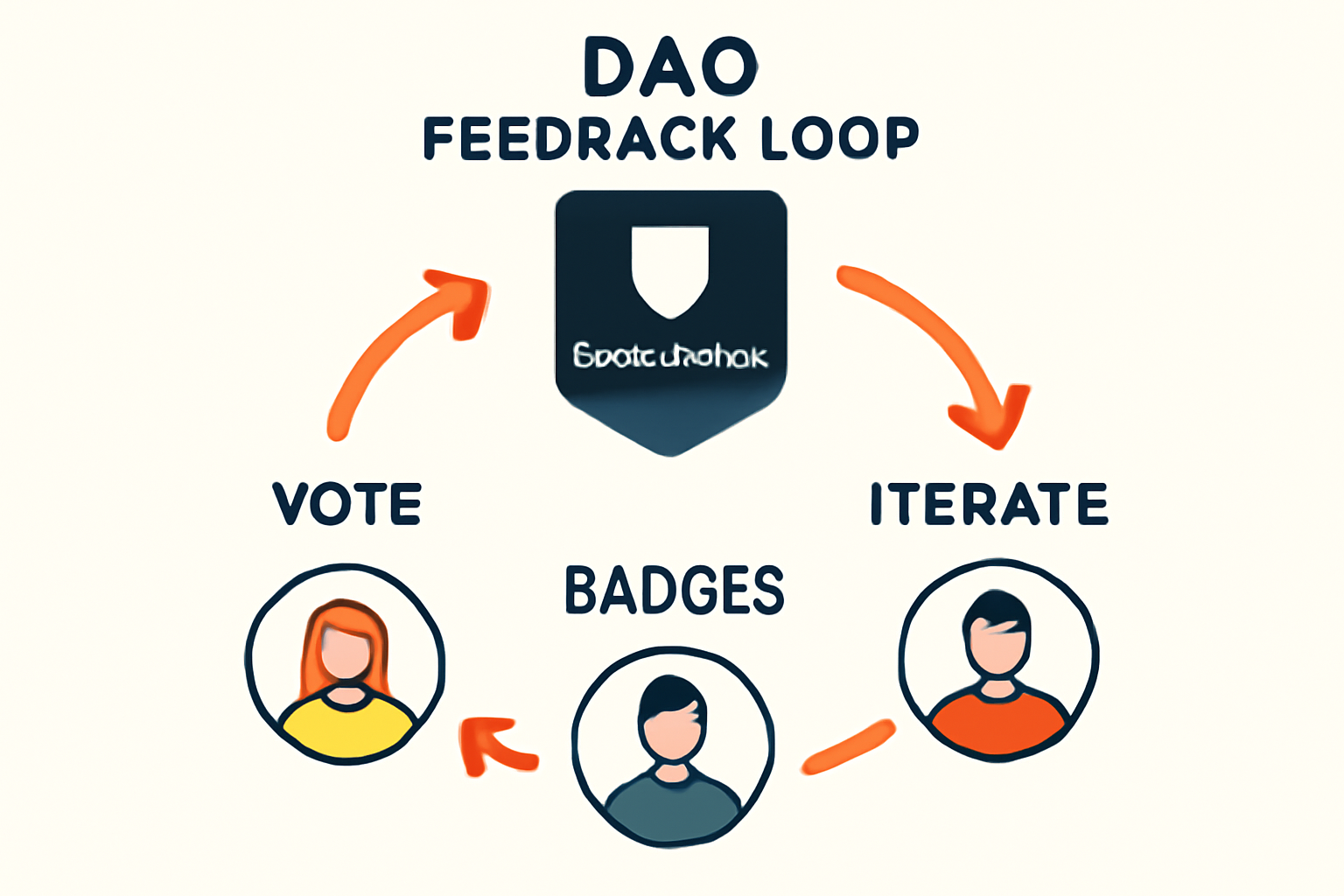
Track metrics like badge velocity (trades per week), voter turnout post-launch, and contribution uplift. Tools such as Dune Analytics dashboard holdings-to-votes ratios, revealing if liquid governance NFTs truly democratize power.
Annual reviews refine criteria, sunset obsolete badges, and introduce scarcity via burns. Successful DAOs treat badges as living protocols, evolving with community needs. For deeper dives, explore how to issue and manage governance NFT badges tailored for voting rights.
Ultimately, tradable governance NFT badges empower DAOs to harness market forces for fairer, more resilient decision-making. They reward the builders, not just the buyers, fostering ecosystems where participation pays dividends- literally and figuratively. Platforms like Governance NFT Badges make this accessible, positioning your DAO at the forefront of decentralized evolution.




No comments yet. Be the first to share your thoughts!