
Governance NFT 2026: Real Utility Over Speculation
The governance NFT landscape in 2026 has shifted from speculative hype to institutional adoption and regulatory compliance. Early market data indicates that platforms prioritizing real-world utility and community engagement are outperforming those relying on vanity metrics. This transition reflects a broader industry move toward sustainable digital ownership models that align with legal standards and long-term value creation.
At the core of this evolution is the integration of on-chain voting mechanisms. Governance NFTs now function as more than just collectibles; they serve as active keys to decentralized autonomous organization (DAO) decision-making. This functional shift ensures that token holders have a tangible voice in protocol upgrades, treasury management, and strategic direction, thereby strengthening platform loyalty and reducing regulatory ambiguity.
For legal and regulatory professionals, the implications are significant. The emphasis on compliance means that governance structures must be transparent and auditable. As we examine the specific governance NFT trends defining 2026, it becomes clear that success depends on balancing technological innovation with robust legal frameworks. The following sections break down the distinct, scannable examples of how these mechanisms are redefining digital ownership in practice.
Governance nft 2026 choices that change the plan
The shift from collectibles to infrastructure has fundamentally altered how governance NFTs function. In 2026, these tokens are no longer just profile pictures; they are keys to digital ownership, certification, and voting rights. However, this utility comes with distinct tradeoffs that buyers and creators must evaluate.
Transferability vs. Governance Stability
Early governance models often allowed NFTs to be sold freely, which could destabilize a DAO’s voting power if large holders exited. Newer models, like Pera Governance NFTs, allow transferability but tie voting rights to specific governance periods, preventing sudden power vacuums.
On-Chain vs. Off-Chain Voting
On-chain voting is transparent but expensive and slow. Off-chain voting is cheaper and faster but requires trust in the aggregation mechanism. Most 2026 platforms use a hybrid approach to balance efficiency with verifiability.
Compliance vs. Anonymity
Regulatory pressure in 2026 demands KYC/AML compliance for governance participation. This reduces the pseudonymous nature of early NFTs but opens doors to institutional adoption. Buyers must decide if they value privacy over access to regulated markets.
| Feature | On-Chain | Off-Chain | Hybrid |
|---|---|---|---|
| Transparency | High | Low | Medium |
| Cost | High | Low | Medium |
| Speed | Slow | Fast | Medium |
| Compliance | Hard | Easy | Medium |
How to Choose a Governance NFT Framework
Selecting the right governance NFT structure in 2026 requires balancing regulatory compliance with actual community utility. The market has shifted away from speculative hype toward platforms that offer verifiable on-chain voting rights and real-world asset backing. Your choice should depend on whether you need strict institutional oversight or flexible community engagement.
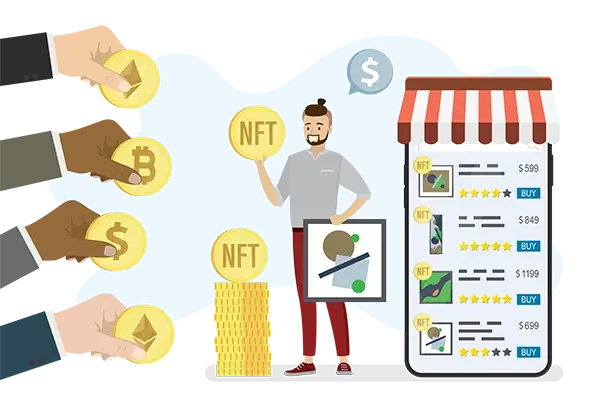
Start by defining the legal jurisdiction of your DAO. In 2026, compliance is non-negotiable. If your governance involves securities or real-world assets, choose a framework that supports KYC/AML integration and identity verification at the token level. This prevents regulatory friction and ensures long-term viability.
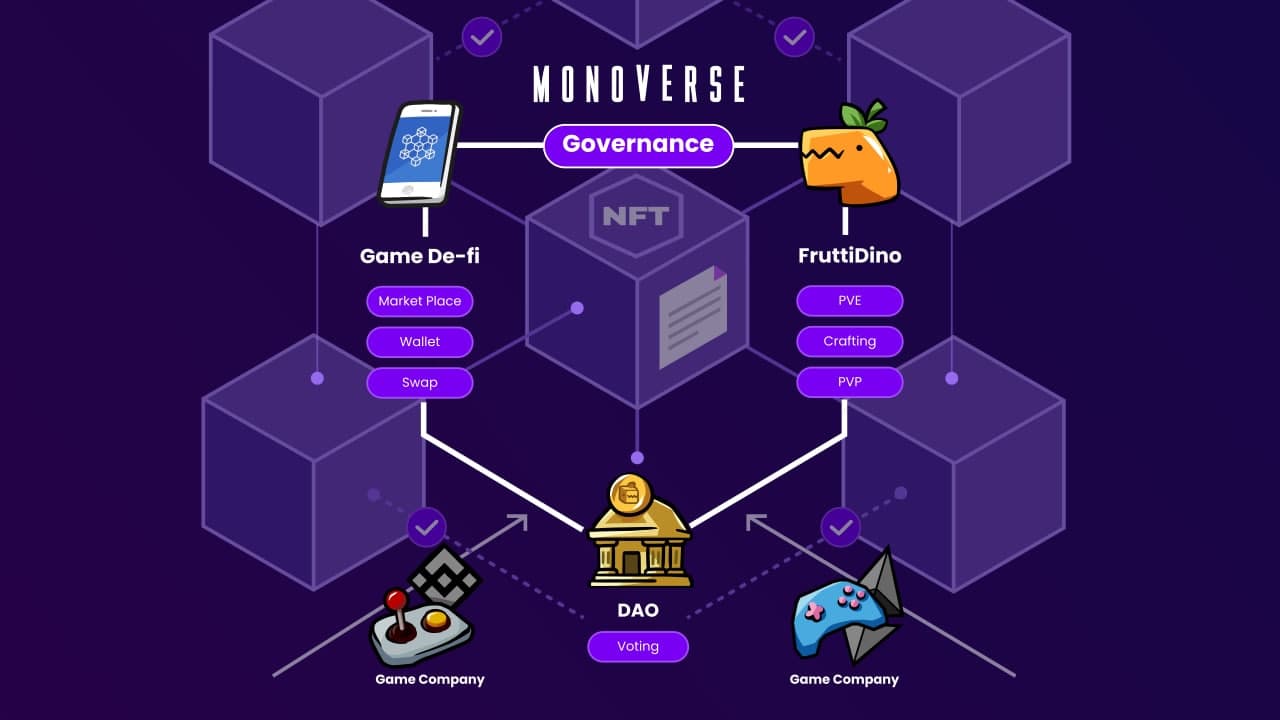
Determine how votes are weighted. Will it be one-token-one-vote, or quadratic voting to prevent whale dominance? The most popular governance models in 2026 use soulbound tokens for reputation-based voting, ensuring that long-term holders have more influence than transient speculators.
Choose a blockchain that supports fast, low-cost transactions and robust smart contract auditing. Ethereum L2s and specialized app-chains are preferred for their security and scalability. Ensure the infrastructure can handle concurrent voting without gas fee spikes during critical decision-making periods.
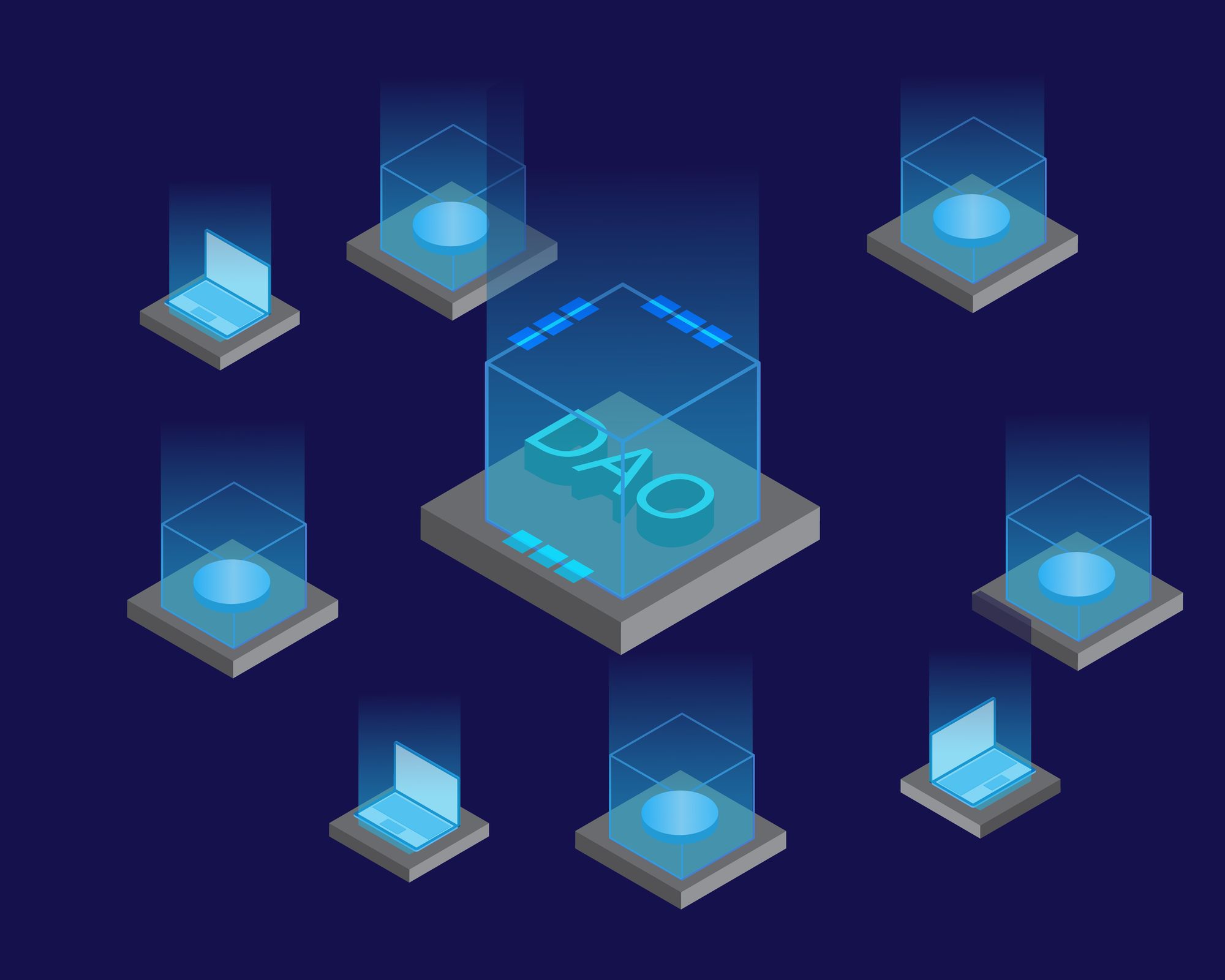
Governance is only as strong as participation. Build tools that make voting accessible, such as delegated voting or mobile-friendly interfaces. Community engagement tools and DAO governance features strengthen platform loyalty, turning passive holders into active stakeholders who drive the ecosystem forward.
By following this framework, you can build a governance NFT system that is both legally sound and community-driven. The focus is no longer just on ownership, but on how that ownership translates into meaningful, compliant decision-making power.
Spotting Weak Options in the 2026 NFT Market
The shift from speculative hype to regulated utility has exposed several misleading claims in the current governance NFT landscape. As institutional adoption grows, distinguishing between genuine on-chain voting power and decorative collectibles requires rigorous scrutiny. The following patterns frequently signal weak or misleading options for digital ownership.
Claiming Utility Without Governance Rights
Many projects label their assets as "governance tokens" while retaining centralised control over the smart contract. In 2026, legitimate governance NFTs must grant verifiable voting weight on-chain. If the project relies on off-chain polls or a multisig wallet without transparent execution, the asset is likely a marketing tool rather than a true ownership instrument. Always verify that the token contract allows direct proposal submission.
Vague Regulatory Compliance Statements
Platforms asserting full regulatory compliance without citing specific frameworks often mask non-compliant structures. Legitimate projects explicitly reference adherence to MiCA (EU) or SEC guidelines where applicable. Be wary of generic statements about "future compliance." Real utility in 2026 requires documented KYC/AML integration for voting rights, ensuring that governance participation does not violate securities laws.
Ignoring Long-Term Sustainability Models
Weak options often ignore the economic sustainability of their governance mechanisms. A DAO structure that relies solely on primary sales revenue to fund treasury operations is fragile. Look for projects with diversified revenue streams, such as protocol fees or secondary market royalties that directly support the treasury. Without a sustainable economic model, governance decisions become vulnerable to short-term speculation rather than long-term community interest.
No comments yet. Be the first to share your thoughts!