
In the ever-evolving landscape of decentralized organizations, transparency is more than a buzzword, it's the backbone of trust and collective progress. As DAOs (Decentralized Autonomous Organizations) mature, communities are seeking ways to ensure that every decision is not just fair but also auditable by all participants. This is where governance NFT badges are redefining the rules of engagement for web3 governance.
Bringing Identity Assurance to DAO Voting
Traditional token-based voting models often struggle with identity assurance. The risk? A single participant could control multiple wallets and sway decisions, undermining the democratic ethos of decentralized governance. By issuing unique, non-transferable NFT badges as verifiable credentials, DAOs create a transparent layer of identity that’s both public and tamper-proof. Each badge is cryptographically linked to a specific contributor or wallet, making it easy for any observer to verify who participated in which vote, and on what terms.
This shift towards verifiable NFT credentials not only curbs manipulation but also paves the way for a new era of merit-based participation. Badges can be awarded based on meaningful contributions or specific roles within the DAO, ensuring that voting rights reflect actual engagement rather than simple token accumulation. The result: more thoughtful proposals and outcomes that truly represent the community’s best interests.
Immutable Records: The Foundation of Accountability
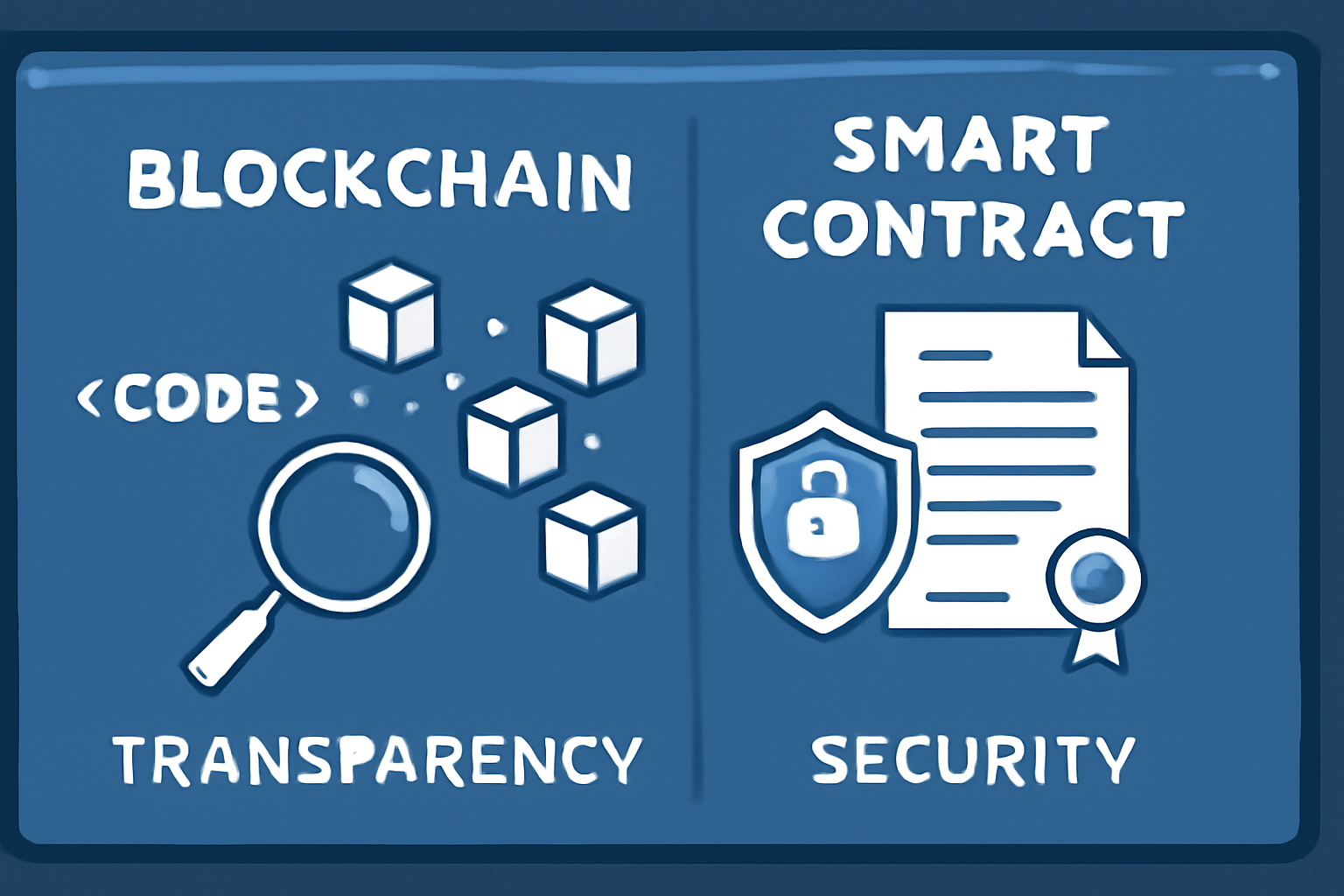
The power of blockchain lies in its ability to record actions immutably, every transaction, vote, and badge issuance is etched into a public ledger for all time. When integrated into DAO voting processes, governance NFT badges provide an auditable trail from proposal submission to final tally. This level of transparency transforms how DAOs operate:
Key Benefits of Immutable Records in DAO Voting with NFT Badges
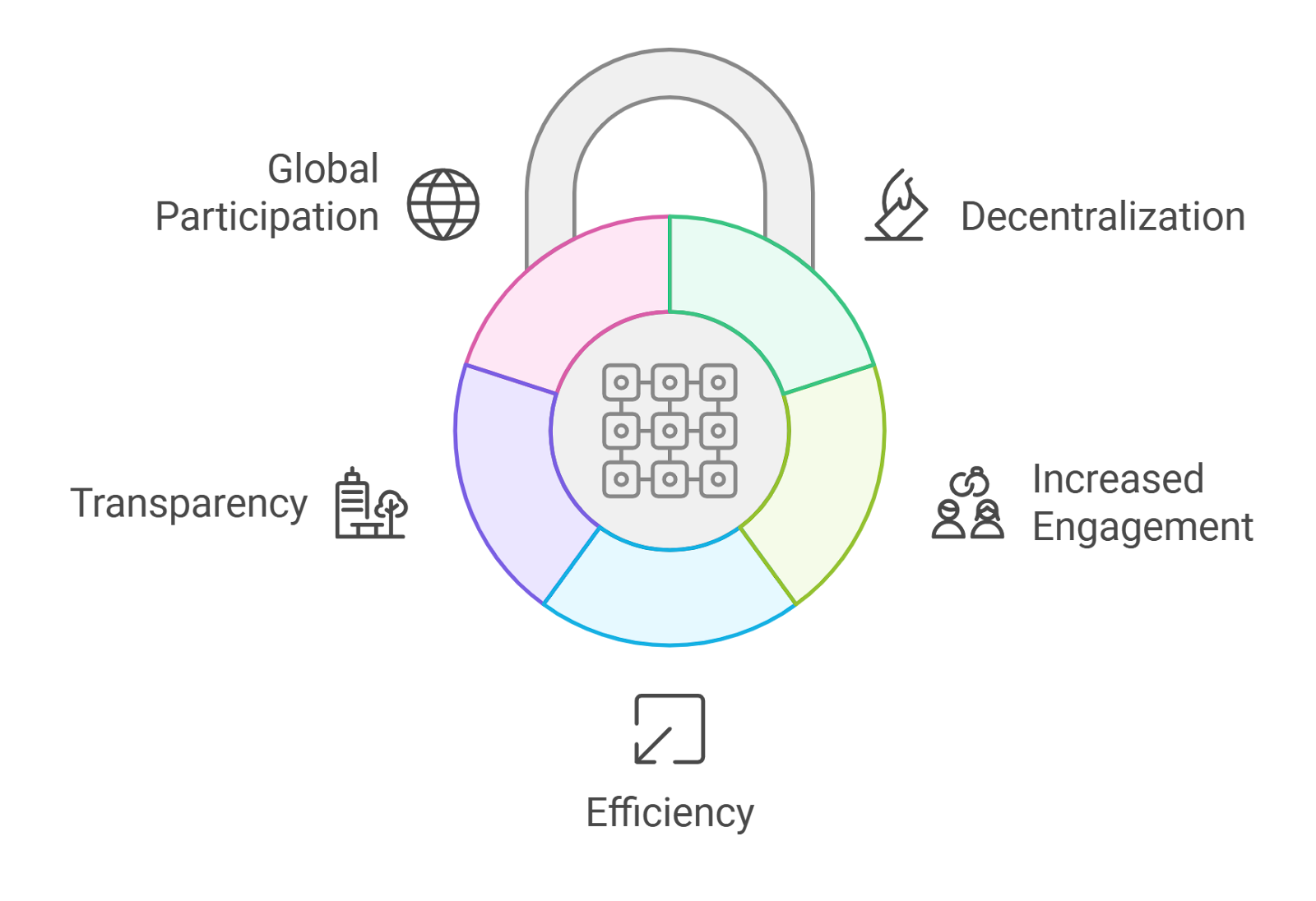
- Enhanced Transparency and Auditability: Every vote and action is permanently recorded on the blockchain, allowing all DAO members to independently verify the decision-making process and ensuring a tamper-proof, transparent governance history.
- Recognition of Individual Contributions: Governance NFT badges serve as verifiable credentials that reward and acknowledge members for their participation and impact, fostering a culture of merit and active involvement within the DAO.
- Prevention of Sybil Attacks: By assigning voting rights to unique, non-transferable NFT badges, DAOs can ensure that each vote is tied to a real, verifiable identity, protecting the process from manipulation by fake accounts.
- Publicly Accessible Voting Records: The immutable nature of NFT-based voting means all voting records are visible and auditable by the community, promoting trust and reducing the risk of disputes or hidden agendas.
- Streamlined Dispute Resolution: With clear, immutable records of who voted and how, DAOs can efficiently resolve governance disputes and maintain organizational integrity.
Anyone can independently verify vote counts or investigate historical decisions without relying on centralized administrators or opaque spreadsheets. This auditability not only builds trust among members but also attracts new contributors who value openness and accountability in decentralized decision-making.
Recognizing Contributions and Fostering Engagement
Beyond pure transparency, NFT voting badges serve as powerful tools for community recognition and motivation. Each badge is more than just a technical credential, it’s a symbol of trust earned through active participation.
For example, DAOs can issue special badges to members who propose successful initiatives or consistently participate in governance discussions. These digital honors may unlock additional privileges such as increased voting power or access to exclusive working groups. By making badge criteria public and traceable on-chain, DAOs set clear expectations while incentivizing deeper involvement from both new and veteran members.
Tackling Sybil Resistance Head-On
A persistent challenge for decentralized communities is the threat of Sybil attacks, where one actor creates multiple identities to gain unfair influence over votes or resources. Governance NFT badges offer an elegant solution by tying each voting right to a unique, non-transferable credential linked directly to an individual’s contributions or verified identity.
This approach makes it significantly harder for bad actors to game the system while preserving privacy and inclusivity for genuine members. It’s no surprise that leading projects are adopting these practices as part of their core web3 governance tools, setting new standards for fairness across the ecosystem.
For DAOs seeking to future-proof their governance, implementing governance NFT badges is not just a technical upgrade but a cultural shift. The ability to anchor voting rights in verifiable, non-transferable credentials reduces the risk of manipulation and ensures that influence is earned, not bought. This cultivates a climate where active contributors are visible, valued, and empowered, fueling sustainable growth for the entire community.
Practical Steps for Implementation
Transitioning from conventional token voting to an NFT badge-based system requires thoughtful planning. DAOs should start by defining clear and transparent criteria for badge issuance, such as contribution milestones, role appointments, or participation in key initiatives. These standards must be public, so every member understands how governance rights are allocated and can aspire to earn them.
Issuing and Managing Governance NFT Badges for Secure DAO Voting
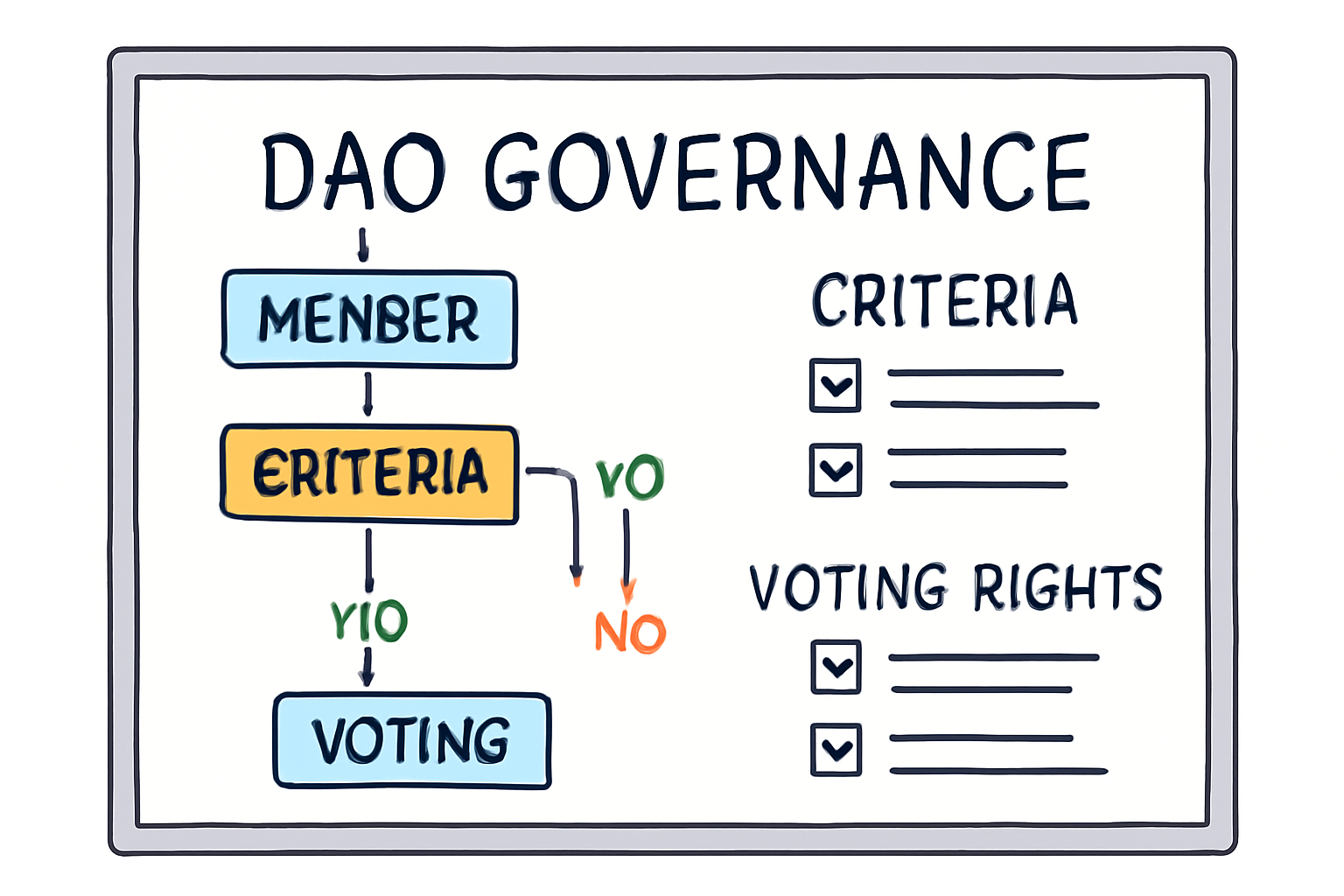
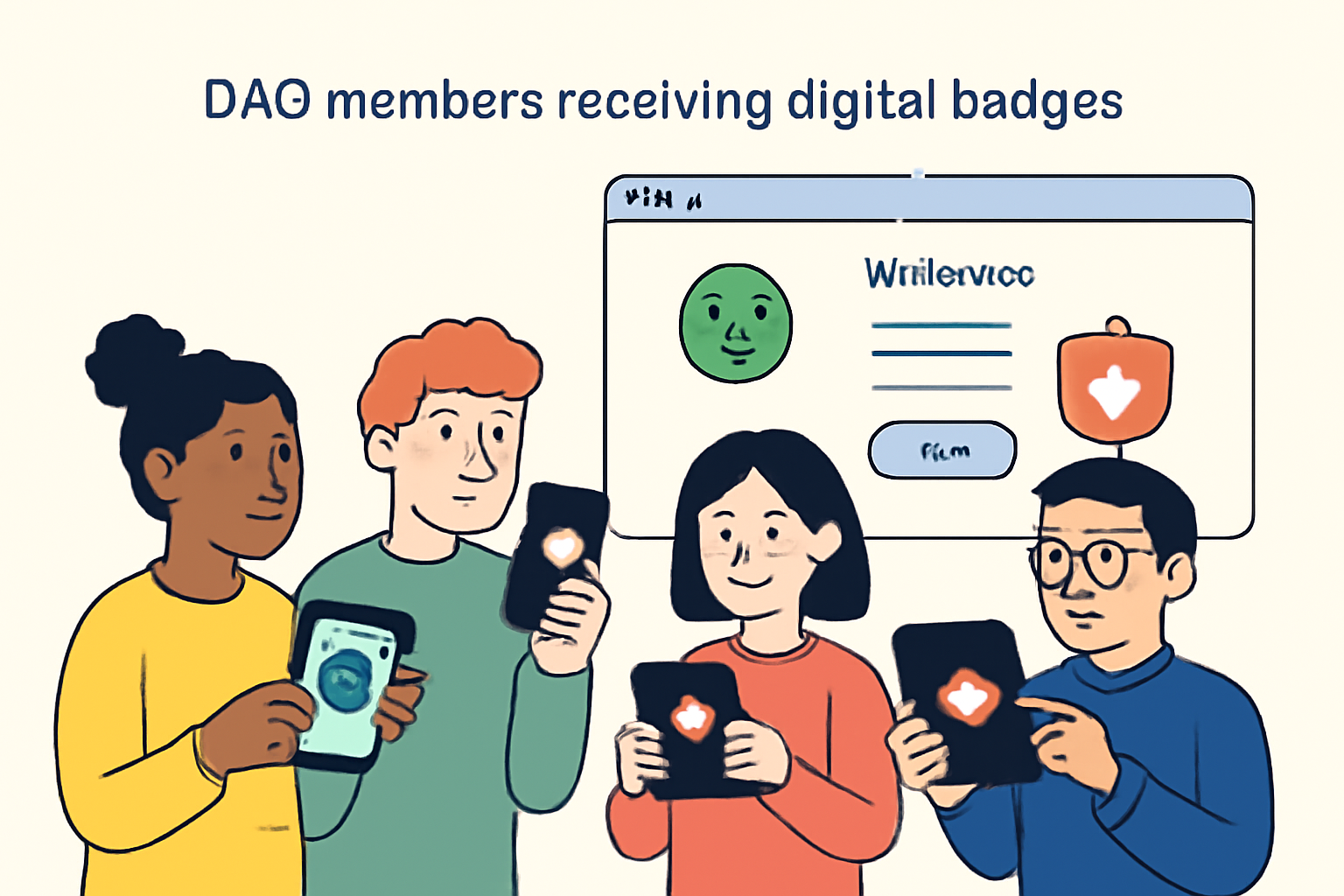
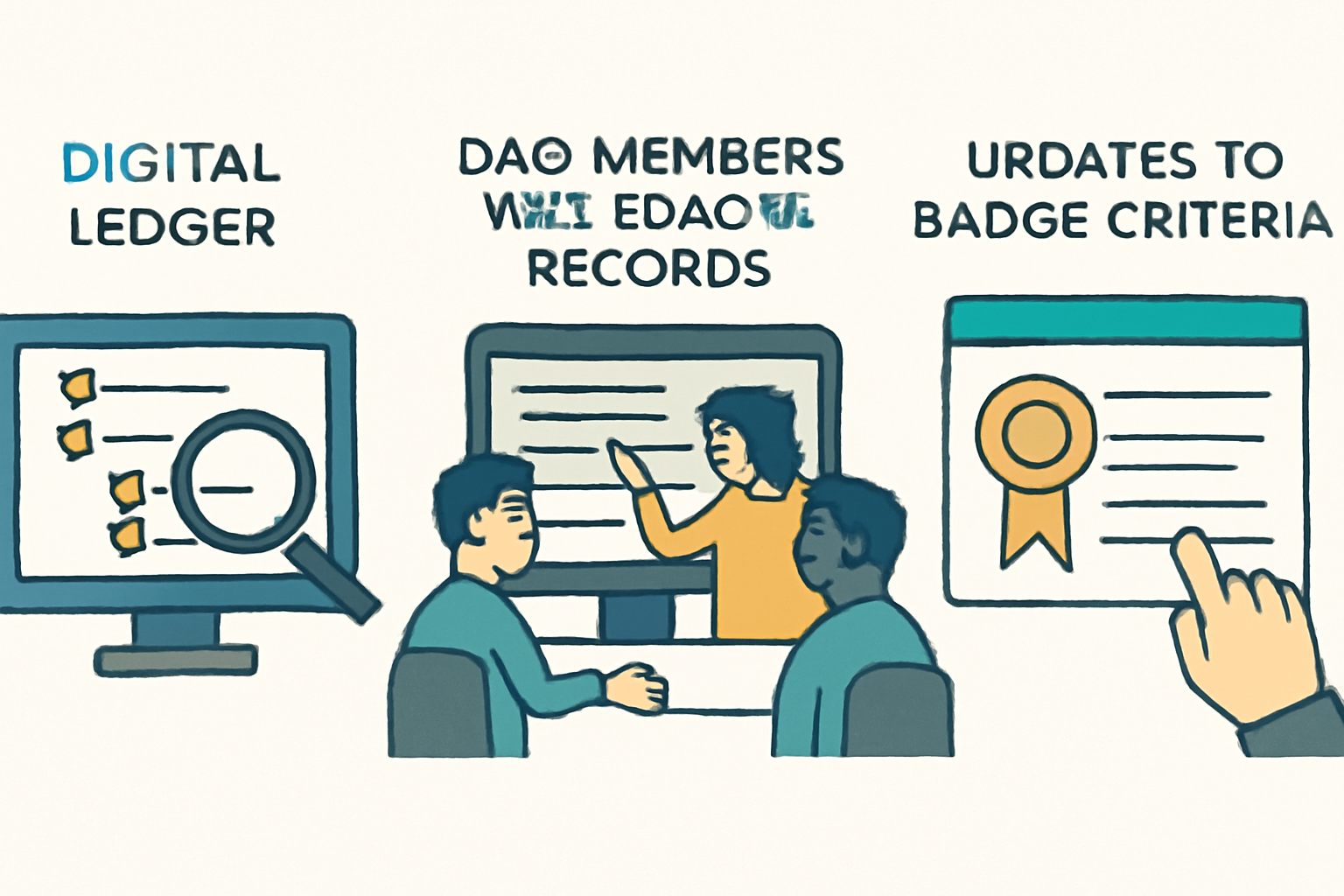
Once criteria are established, leveraging user-friendly platforms like Governance NFT Badges simplifies the process of minting, distributing, and verifying badges on-chain. Integrating these tools with established voting platforms (like Snapshot or Tally) ensures a seamless experience for both new and existing members.
Education is equally important. Hosting onboarding sessions or creating detailed guides can help demystify the new system and encourage broader participation. When members understand both the "why" and "how" behind governance NFT badges, adoption rates soar, and so does collective engagement.
Driving Community Trust With Open Data
The true power of governance NFT badges lies in their ability to make DAO decision-making radically transparent. Every badge awarded and every vote cast becomes part of a shared history, open to inspection by anyone at any time. This visibility builds trust not only among active participants but also with potential collaborators or external observers assessing the DAO’s legitimacy.
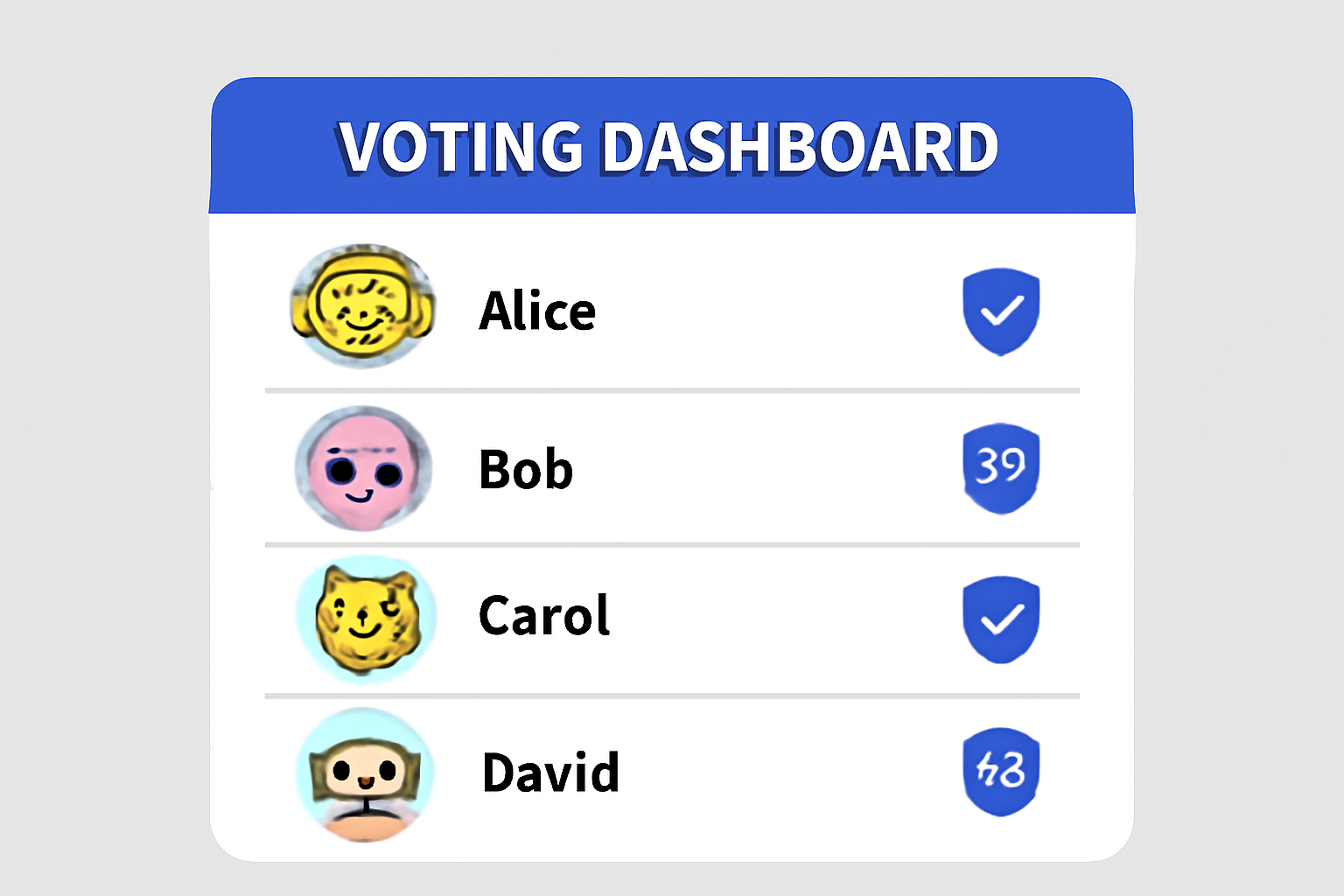
By making badge issuance logs and voting records accessible on-chain, DAOs eliminate information asymmetries that often plague traditional organizations. Members no longer have to take outcomes on faith; they can verify them independently using blockchain explorers or analytics dashboards.
Unlocking New Possibilities for Web3 Governance
The adoption of NFT voting badges signals a broader evolution in decentralized decision-making, a move toward systems where reputation matters as much as resources. As more communities formalize their governance with verifiable NFT credentials, we’re witnessing the rise of DAOs that are more resilient against manipulation and more inclusive of genuine contributors.
This transformation isn’t just theoretical; it’s already being realized across pioneering organizations worldwide. By embracing these innovations today, your DAO can set a new standard for transparency, engagement, and trust in web3 governance.




No comments yet. Be the first to share your thoughts!