
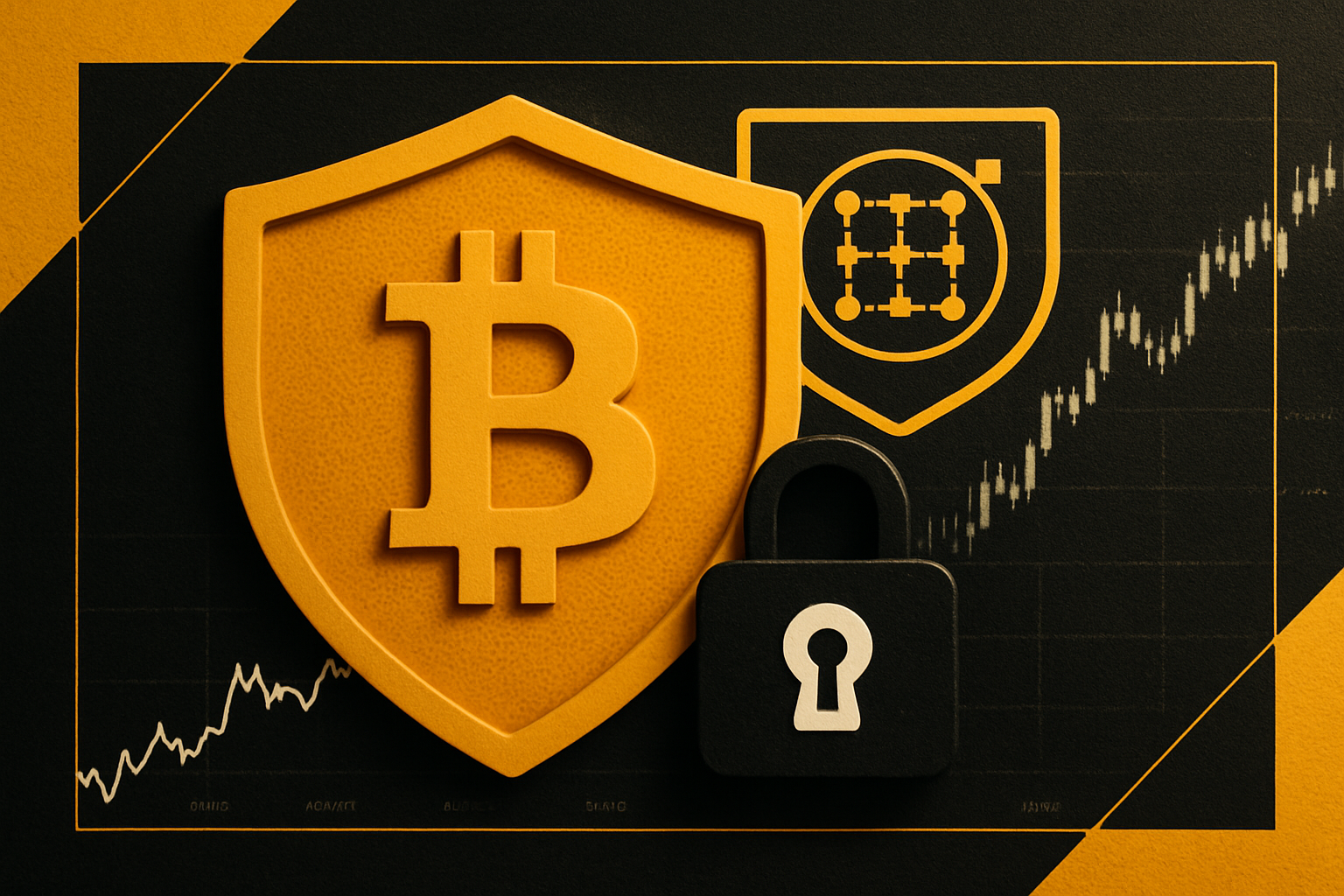
Web3 has long been criticized for its focus on speculation, with reputation often reduced to wallet size and token holdings. But a new paradigm is emerging: governance NFT badges are transforming how DAOs, contributors, and communities build trust and authority, no trading required. These non-transferable, on-chain credentials are making Web3 reputation visible, verifiable, and earned through real participation.
From Token Whales to Proven Contributors
Traditional DAO governance typically assigns voting power based on fungible token balances. This system is easy to game, power concentrates with those who can afford the most tokens. Governance NFT badges flip this script by tying influence directly to a member’s contributions, not just their wallet size.
Imagine a scenario where leading a community project or moderating discussions earns you an exclusive badge. That badge isn’t just for show, it comes with real voting weight in key DAO decisions. Platforms like Snapshot now let DAOs configure voting so that holding certain badges translates into extra power at the ballot box. The result? Influence flows toward those who actually move the community forward.
Verifiable Reputation: The New Social Layer of DAOs
NFT-based reputation systems are building a transparent social layer across decentralized organizations. Each badge acts as a digital credential, a proof-of-merit that anyone can verify on-chain. Unlike tokens, these badges are non-transferable and unique to each wallet, blocking Sybil attacks where one actor might create multiple identities to sway votes.
Platforms like EtherScore issue these immutable badges as public records of achievement, whether you’re writing code, organizing events, or supporting newcomers in Discord channels. Over time, your collection of badges becomes your Web3 résumé: open for all to see and impossible to fake.
Incentives Beyond Speculation: Rewarding Meaningful Engagement
The beauty of governance NFT badges lies in their flexibility. DAOs can design incentive structures tailored to what they value most, be it technical development, community building, or creative input. For example:
- A "Builder" badge could grant increased proposal rights for contributors who ship code regularly.
- A "Community Champion" badge might unlock early access to governance proposals or exclusive events.
- Reputation NFTs can even be linked to tangible rewards like grants or participation in high-stakes votes.
This merit-based approach motivates members far more effectively than speculation alone ever could, and it’s already being adopted by leading projects from Colony to Optimism Agora.
Learn more about how DAOs use governance NFT badges for transparency and engagement here.
With these innovations, DAOs are moving toward a model where influence is earned, not bought. This shift is especially critical as Web3 matures and communities demand fairer, more transparent decision-making. By making contributions visible and verifiable, governance NFT badges help DAOs surface true leaders and sustainers, not just the loudest or wealthiest voices.
Best Practices for Launching Your DAO’s Badge System
Implementing governance NFT badges isn’t plug-and-play. Success depends on clear strategy and careful design. Here’s what leading DAOs get right:
- Define transparent criteria: Every badge should have clear, public requirements, whether it’s shipping code, moderating forums, or organizing events.
- Automate issuance: Use smart contracts to automatically award badges once criteria are met, minimizing admin overhead and bias.
- Audit security: Regularly review badge contracts to prevent exploits or unauthorized minting.
- Integrate with voting platforms: Connect badges to your DAO’s voting system so reputation translates directly into decision-making power.
- Document everything: Maintain public logs of badge issuance and criteria to foster trust and community buy-in.
If you’re looking for hands-on examples of how DAOs are putting these principles into practice, check out our guide on enhancing member participation with NFT badges.
The Future: Reputation as a Passport in Web3
The impact of governance NFT badges goes far beyond any single DAO. As these systems proliferate, your badge collection becomes a passport across the decentralized web, granting access to exclusive spaces, unlocking voting rights in new communities, or even serving as credentials for grants and jobs. The result is a richer social fabric where reputation is portable, provable, and based on real action.
This evolution also helps insulate DAOs from the pitfalls of pure speculation. When authority flows from verified contributions rather than token accumulation alone, communities become more resilient, and more attractive to newcomers seeking genuine impact over quick profits.
Ready to Build Your Web3 Reputation?
If you want to move past speculation and build lasting influence in decentralized communities, start by earning, and showcasing, your own governance NFT badges. Whether you’re a developer, moderator, creative lead or passionate supporter, your work can now be recognized in ways that matter both inside your DAO and across the broader Web3 ecosystem.




No comments yet. Be the first to share your thoughts!