
If you’ve ever found yourself lost in the labyrinth of DAO governance, desperately wishing for a magic badge that says “Yes, I actually do stuff around here, ” you’re in luck. Governance NFT badges are exactly that, on-chain credentials that prove your contributions, voting power, and status in your decentralized organization. But how do you create and manage these digital merit badges without accidentally giving your meme lord intern the keys to the treasury? Let’s break it down step by step, with plenty of practical tips (and maybe a dad joke or two).

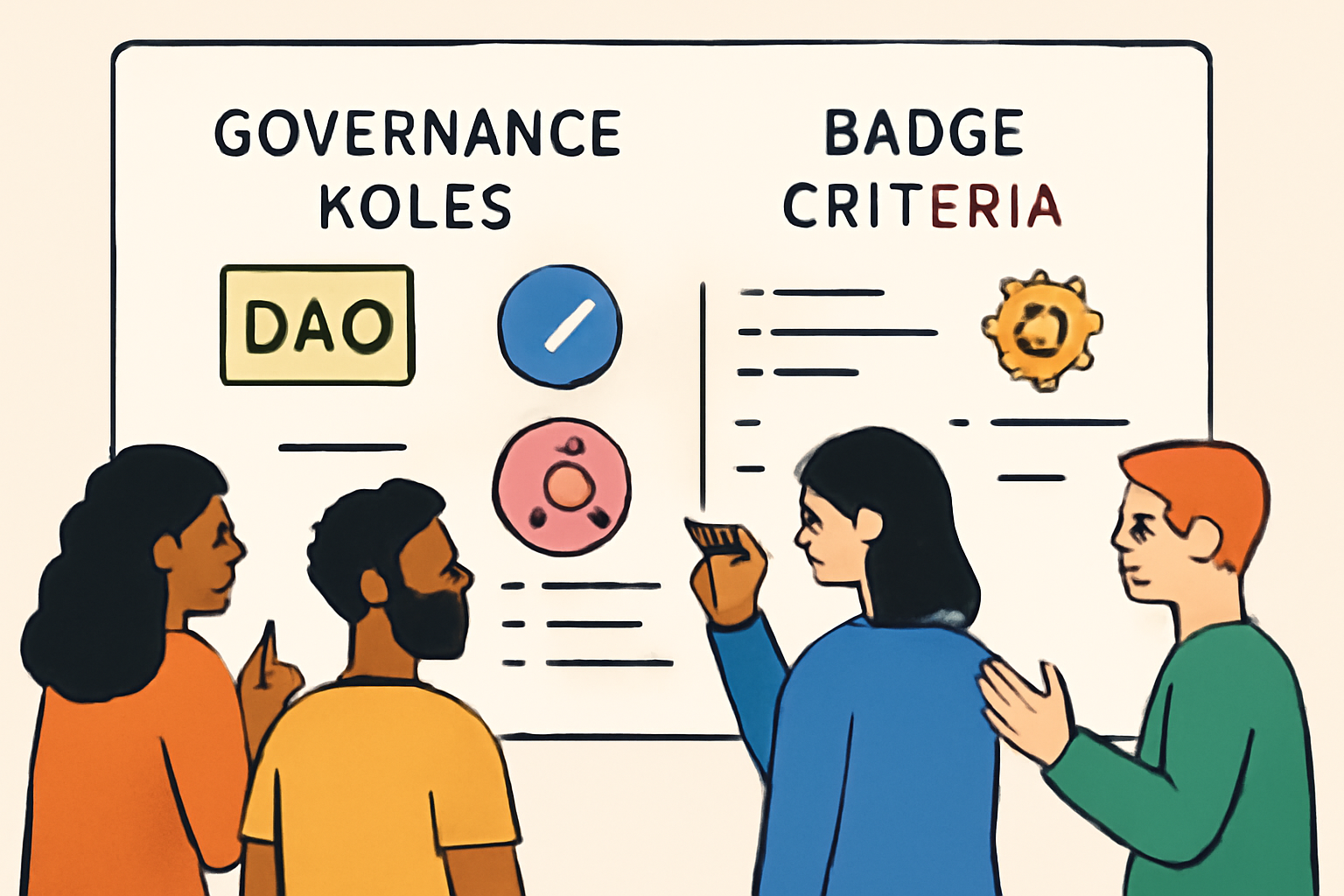
Step 1: Define Governance Roles and Badge Criteria
First things first: don’t just hand out badges like candy at a blockchain conference. Clearly outline the governance roles within your DAO: think proposal authors, voting champions, or core contributors. Then establish transparent criteria for earning each badge. Maybe it’s participating in 10 votes, leading a working group, or surviving three consecutive Discord debates without rage quitting. The key is to make these requirements objective and public so nobody feels left out or confused.
Pro tip: Document everything! Transparency is the name of the game in web3 governance. For an in-depth look at how DAOs structure badge criteria to boost participation and voting transparency, check out this guide.
Step 2: Select a Secure NFT Badge Issuance Platform
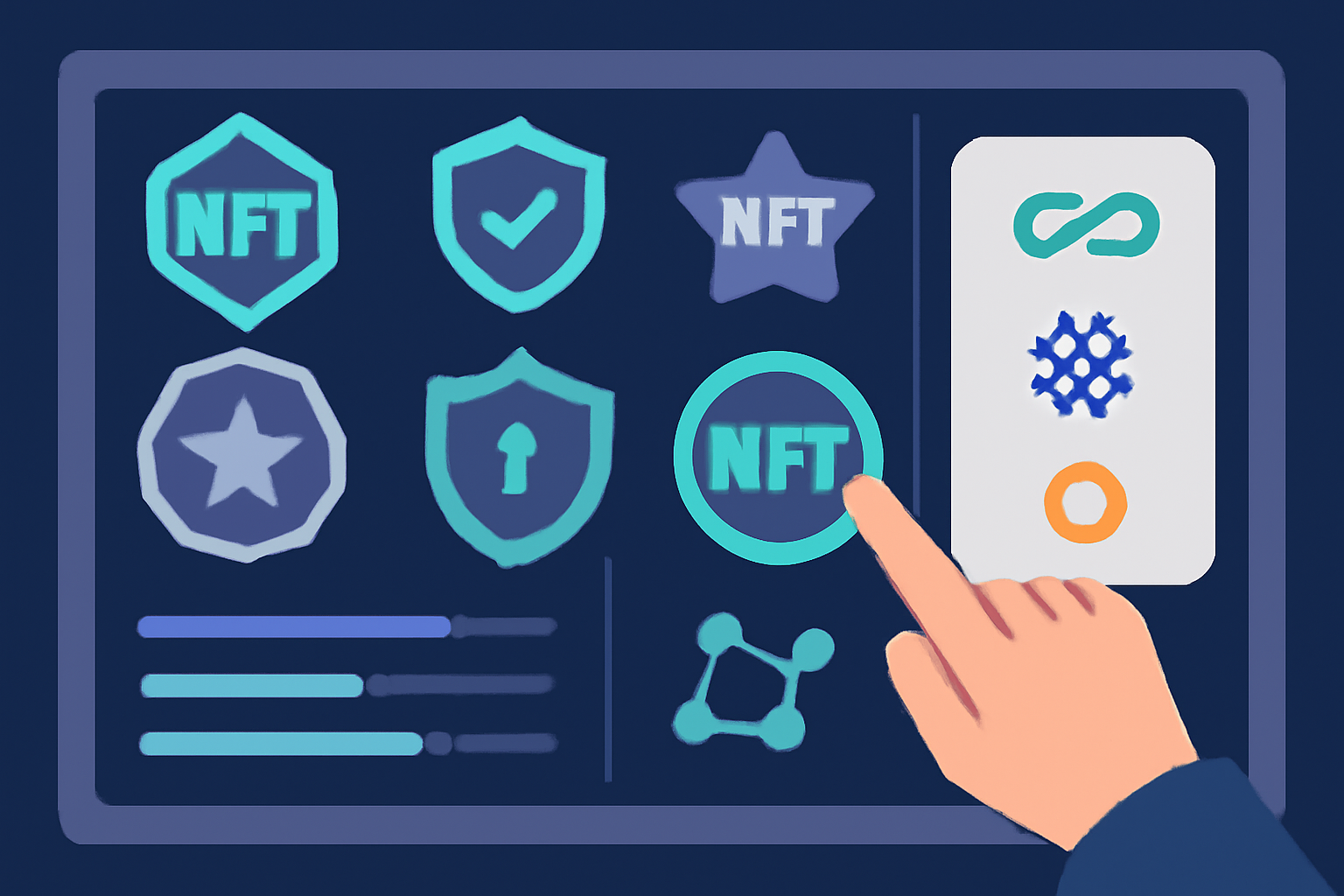
Next up is picking your tech stack. Don’t settle for some sketchy contract from 2021, choose a reputable platform like Governance NFT Badges or similar web3 tools that support custom badge creation, on-chain verification, and seamless integration with your DAO’s infrastructure. Look for features like non-transferable (soulbound) NFTs to prevent badge trading shenanigans and robust metadata support so every badge tells its own story.
If you’re still weighing options, prioritize platforms with proven security records and active support channels. Remember: this isn’t just about shiny JPEGs; it’s about trust in your governance process.
Step 3: Mint and Distribute Governance NFT Badges
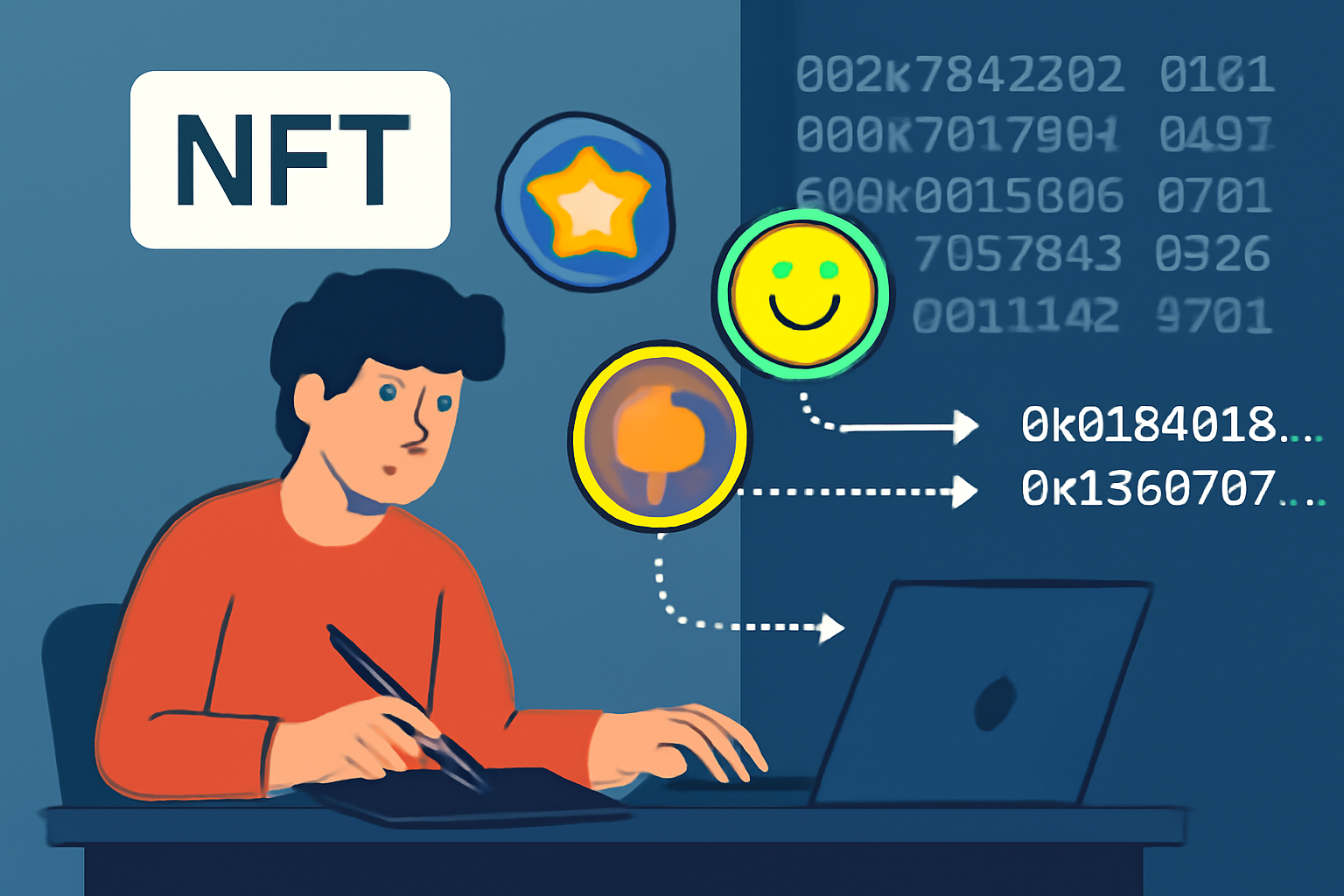
This is where things get real (and a little bit fun). Using your chosen platform, create unique NFT badges, bonus points if they look cooler than those old Boy Scout patches. Each badge should include metadata reflecting its purpose: Is it proof of voting rights? A contributor status? "DAO Dad Joke Champion 2025"? Make sure every detail is on-chain for maximum verifiability.
Distribution should be automated whenever possible (thank you smart contracts), ensuring eligible members receive their hard-earned badges directly to their wallets. No more manual spreadsheet chaos or accidental double-awards!
Minting & Managing Governance NFT Badges: Your DAO’s Illustrated Playbook
The Power of On-Chain Recognition
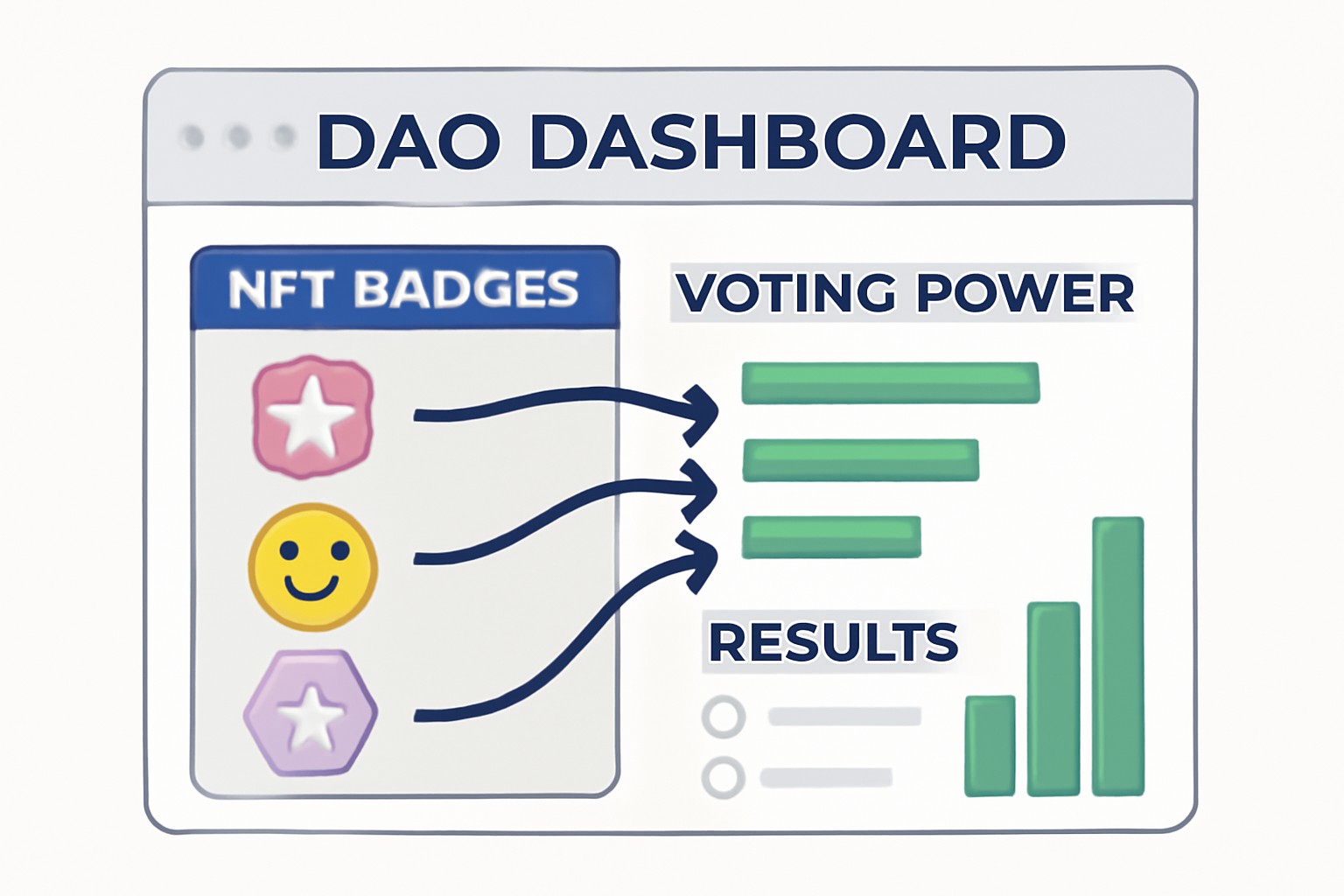
The beauty of governance NFT badges isn’t just their shiny appearance, it’s their ability to assign real voting power, track contributions transparently, and foster an engaged community culture. By following these steps so far, defining clear roles and criteria, choosing the right platform, minting meaningful NFTs, you’re laying the foundation for next-gen decentralized leadership.
Ready to take things further? In the next section we’ll dive into integrating badges with top-tier DAO governance tools like Snapshot and Tally, plus best practices for monitoring and updating your badge ecosystem as your community evolves.
Step 4: Integrate Badges with DAO Governance Tools
Now that your badges are minted and distributed, it’s time to plug them into your DAO’s decision-making machinery. Integration is where the magic happens. Connect your NFT badges to decentralized governance platforms like Snapshot or Tally. These tools recognize badge ownership and can automatically assign voting power, proposal access, or even committee eligibility based on the badges in a member’s wallet. No more counting tokens by hand or squinting at Discord handles, your governance flows become as smooth as your best meme drop.
This integration isn’t just about convenience; it’s a shield against Sybil attacks and governance manipulation. Since each badge is unique and verifiably earned, you’re ensuring that only real contributors get a real say. For a deep dive into how DAOs use NFT badges to assign voting power and track contributions, check out this resource.
Step 5: Monitor, Update, and Revoke Badges as Needed
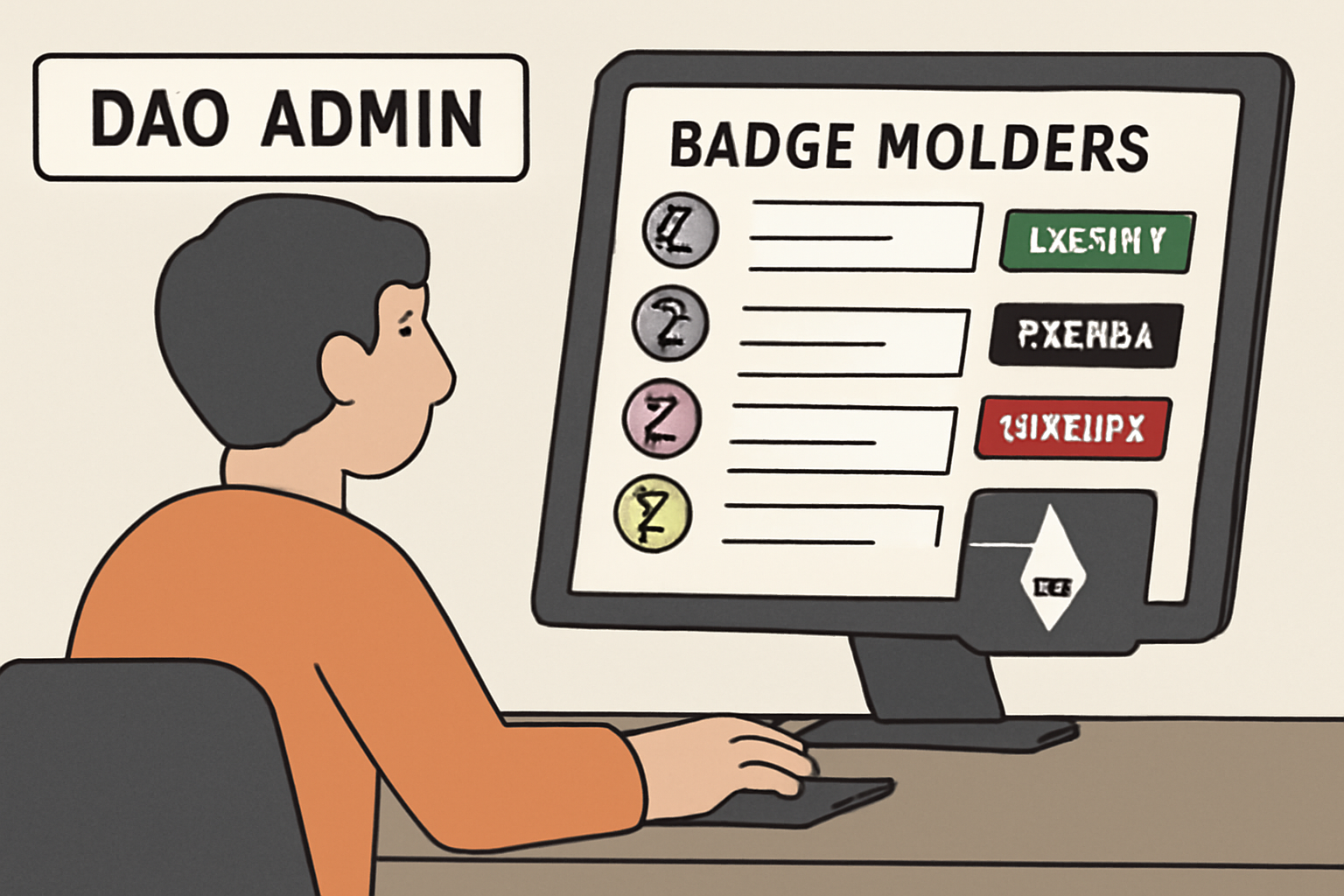
If you think your job ends after distribution, think again! Regularly review badge holders’ activity and contributions to ensure everyone’s credentials are up-to-date. Maybe someone’s gone above and beyond (time for an upgrade!), or maybe another member needs their badge revoked because they haven’t shown up since the last bull run. Smart contracts make this process seamless, update badge metadata or revoke access with just a few clicks (and zero drama).
Transparency is key here. Make sure all changes are visible on-chain so members can trust that governance rights are being managed fairly. This ongoing maintenance keeps your DAO agile, secure, and free from ghost voters, or worse, rogue badge collectors.
Best Practices for Managing Your Badge Ecosystem
- Automate everything you can: Use smart contracts for distribution, updates, and revocations to reduce manual errors.
- Communicate early and often: Keep members informed about how badges work and what they mean for voting rights.
- Audit regularly: Periodically review badge assignments to ensure your system reflects current contributions, not just ancient history.
- Stay flexible: As your DAO grows, update criteria and roles so badges remain relevant motivators rather than dusty trophies.
The Community Impact of Governance NFT Badges
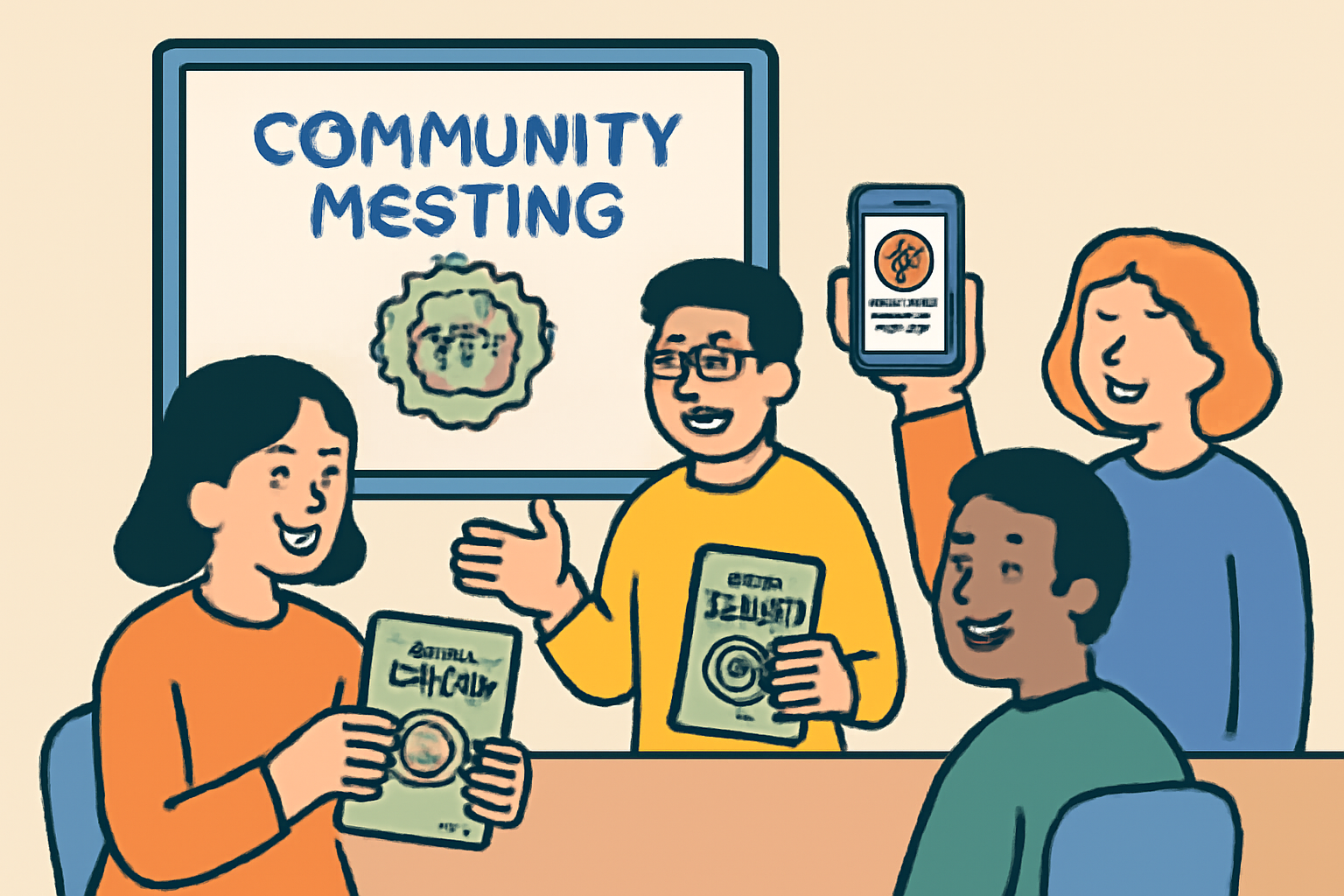
The result? A more transparent, meritocratic DAO where every member can see exactly who’s driving decisions, and how they earned their seat at the table (or Discord stage). Governance NFT badges don’t just streamline voting; they build community pride and accountability from day one.
If you’re ready to start issuing or upgrading your own DAO’s governance NFTs, or want more tips on tracking contributions, explore our deep-dive guides like this one on contribution tracking. Your future self (and community) will thank you!




No comments yet. Be the first to share your thoughts!