

Picture this: it’s late 2025, and DAOs are no longer fringe experiments. They’re the beating heart of Web3, orchestrating billion-dollar treasuries and shaping protocol upgrades that impact millions. Yet, as DAOs scale, so do the stakes, and so does the need for confidential on-chain voting. Why? Because transparency without privacy is a double-edged sword. Public voting records might look good for accountability, but they leave DAO members exposed to pressure, bribery, and manipulation. The next era of DAO governance demands a new standard: privacy-preserving voting that doesn’t compromise trust or verifiability.

Why Public Voting Isn’t Enough Anymore
Let’s be real, public on-chain voting was revolutionary in its day. Every vote was visible to anyone with an internet connection. But as DAOs matured, so did the risks. When your wallet address and voting record are public, it’s all too easy for whales or outside actors to target voters with bribes or threats. Strategic voting, where members change their choices based on what others have already done, becomes rampant, undermining genuine consensus.
The privacy gap in governance isn’t just theoretical anymore; we’ve seen real-world cases where public votes led to voter intimidation or collusion. In a world where DAOs govern everything from DeFi protocols to NFT platforms, this is a critical weakness.
The Rise of Zero-Knowledge Proofs (ZKPs) and Homomorphic Encryption
This is where cryptography steps up to the plate. The latest wave of DAO tooling leverages two cutting-edge technologies:
- Zero-Knowledge Proofs (ZKPs): ZKPs let you prove your eligibility and cast your vote without revealing your identity or your choice. Projects like Semaphore have shown how you can verify group membership and submit anonymous votes, all while keeping the process auditable by anyone.
- Homomorphic Encryption: This tech lets smart contracts tally up encrypted votes without ever decrypting individual ballots. Only the final result becomes public at the end of the process. Shutter Network’s Shielded Voting is a prime example: votes stay shielded until it’s time for results, blocking last-minute manipulation and vote buying.
The combo of ZKPs and homomorphic encryption is reshaping what’s possible for DAO governance privacy. It means you can have both bulletproof accountability and ironclad voter confidentiality, a win-win for decentralized organizations.
Would confidential voting make you more likely to participate in DAO governance?
With more DAOs adopting privacy-preserving technologies like zero-knowledge proofs and homomorphic encryption, confidential on-chain voting is becoming the new standard. Do you think having your votes remain private would increase your willingness to get involved in DAO decision-making?
Real-World DAOs Leading the Privacy Charge
This isn’t just theory; it’s happening now:
- Lunarys DAO System: Using Zama's fully homomorphic encryption, Lunarys keeps not just votes but also voting power and token balances encrypted throughout every stage of governance.
- Minimal Anti-Collusion Infrastructure (MACI): Developed by Ethereum Foundation teams, MACI uses encryption plus ZKPs to anonymize votes and break bribery dynamics, making it nearly impossible for bad actors to verify if their bribes worked.
- Shutter Network's Shielded Voting: By keeping all ballots confidential until tally time, Shutter helps prevent strategic last-minute moves based on visible vote trends.
If you want a deep dive into how these protocols actually operate under the hood, and why they’re already being adopted by major DAOs, check out this resource on how private voting protocols are transforming confidential DAO governance.
The Benefits Are Too Big To Ignore
The benefits of confidential on-chain voting aren’t just technical, they’re cultural:
- No more fear of retaliation: Members can vote their conscience without worrying about backlash from whales or community factions.
- No more vote-buying schemes: If no one knows how you voted (and can’t prove it), bribery becomes nearly pointless.
- No more strategic manipulation: With ballots hidden until results drop, game-theory shenanigans lose their edge.
- Bigger turnout: More members feel safe participating when they know their choices stay private.
This is why confidential on-chain voting isn’t just another feature, it’s fast becoming table stakes for any DAO that wants robust legitimacy in 2025 and beyond.
But let’s zoom out: what does this shift mean for the future of decentralized organizations and the broader Web3 ecosystem? It’s not just about plugging a privacy hole. Confidential voting is fundamentally changing how DAOs operate, who feels empowered to participate, and how trust is built at scale.
What’s Next: Privacy as a Governance Superpower
The adoption curve for confidential on-chain voting is accelerating. As more DAOs experiment with ZK-proofs and FHE-based voting, we’re seeing a ripple effect across the industry. Suddenly, DAO membership isn’t just about holding tokens, it’s about wielding real influence without sacrificing your personal security or autonomy.
Expect to see DAOs in 2025 using privacy-preserving governance as a recruiting tool. “Your vote, your business” will become a rallying cry for communities that want to attract thoughtful contributors, not just speculators or whales with an agenda. Private voting for decentralized organizations is no longer a niche feature; it’s the new gold standard.
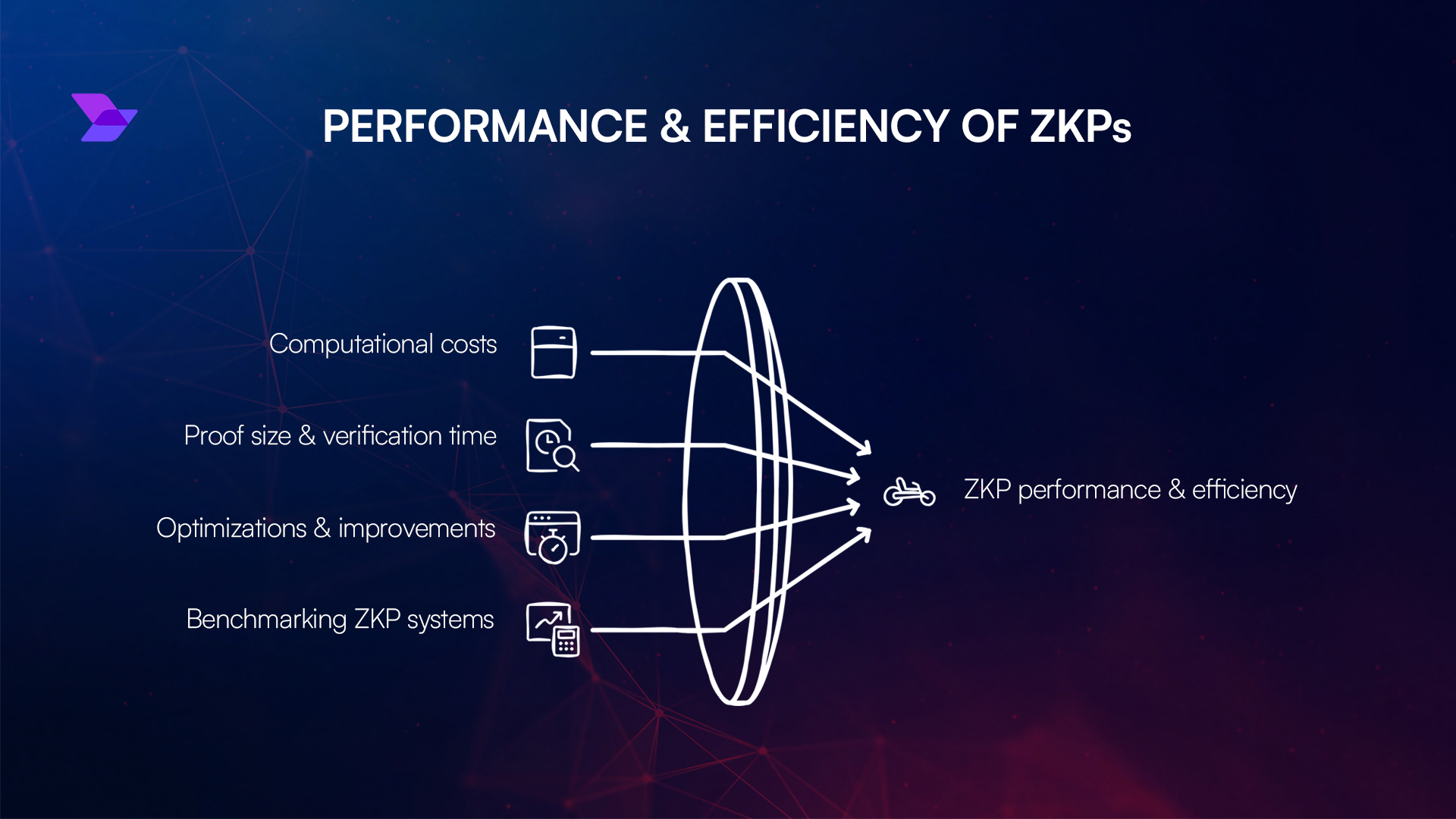
Transparency purists might worry that privacy could erode accountability, but the latest cryptographic systems are proving that you can have both. Verifiability is built in at every layer, so while individual choices remain shielded, anyone can audit the final tally and confirm the process was fair. For those looking to dig deeper into how these dual priorities are balanced in practice, resources like this guide on confidential voting and verification are essential reading.
The Road Ahead: New Challenges and Opportunities
This evolution isn’t without its challenges. Integrating advanced cryptography into DAO tooling means onboarding curves get steeper and smart contract audits become even more crucial. But as user experience improves, think seamless wallet integrations and intuitive governance dashboards, these hurdles will shrink.
The trade-offs are worth it: By closing the privacy gap, DAOs unlock higher participation rates, more honest decision-making, and greater resilience against manipulation. In fact, some analysts predict that by late 2025, any major DAO lacking robust private voting will be seen as a governance laggard.
- DAO governance privacy isn’t just a trend; it’s becoming an industry baseline.
- ZK-proofs DAO solutions are setting new benchmarks for transparency-without-exposure.
- FHE voting blockchain protocols are making ballot secrecy scalable across even the largest communities.
If you’re building or participating in a DAO today, now’s the time to get familiar with these technologies, or risk falling behind as standards evolve fast.
Why Governance NFT Badges Matter in This Landscape
The move toward private voting also elevates the importance of verifiable credentials like governance NFT badges. When votes are confidential but eligibility must be proven cryptographically, badges become your passport to participation, transparent proof of your right to weigh in without revealing your identity or choices on-chain.
If you’re curious about how NFT-based credentials fit into this new paradigm of secure decentralized decision-making (and how they can help formalize rights while preserving privacy), explore more at how confidential governance transforms DAO security and trust.
The bottom line? The future of DAOs belongs to those who embrace both transparency and privacy, not as opposing forces but as complementary pillars of next-generation governance. Confidential on-chain voting isn’t just an upgrade; it’s the foundation for trust, legitimacy, and unstoppable community growth in Web3’s most ambitious experiments yet.

No comments yet. Be the first to share your thoughts!