

In the bustling world of decentralized autonomous organizations, where decisions shape the future of blockchain projects, a persistent challenge looms: tourists. These fleeting participants snap up governance tokens, cast votes on whims, and vanish, diluting the voice of true contributors. Governance NFT badges emerge as a elegant countermeasure, offering on-chain voting proof that demands real commitment. By tying voting rights to verifiable contributions rather than liquid holdings, DAOs can foster deeper alignment and resilience.
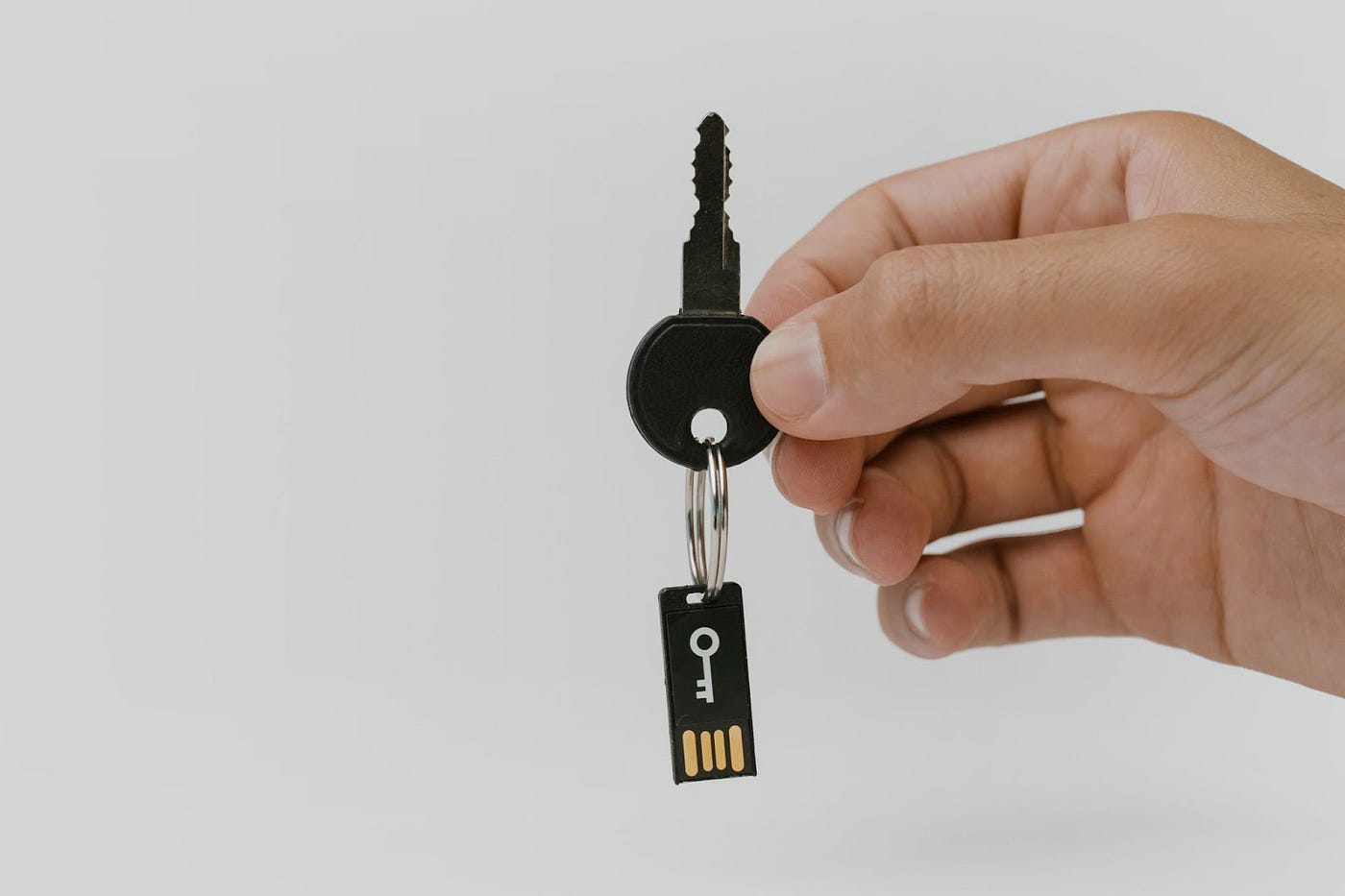
Imagine a DAO where every vote carries the weight of proven dedication. Platforms like Governance NFT Badges make this vision tangible, enabling communities to issue soulbound tokens that record milestones, stakes, and ongoing engagement. This shift from transient token ownership to enduring DAO commitment badges not only secures governance but inspires members to invest time and talent.
Why Traditional Governance Tokens Fall Short
Most DAOs still cling to the "one token, one vote" model, a relic from early crypto experiments. While straightforward, it invites exploitation. Whales dominate, and speculators - those tourists - flood in during hype cycles, swaying outcomes without skin in the game. Sources like a16z crypto highlight how this setup struggles against censorship resistance or neutrality goals, as voting power flows to the highest bidder rather than the most invested.
Social DAOs amplify the issue. As online communities evolve, governance tokens allocate power loosely, often ignoring sustained involvement. Radix DLT's Scrypto DAO Challenge showcased alternatives like quadratic voting or liquid democracy, yet many stick to token snapshots via Snapshot, blind to true merit.
Soulbound Badges as the New Standard for DAO Voting
Enter DAO voting badges NFT, non-transferable credentials etched on-chain. Inspired by Artemis Protocol, these badges represent staked commitment, evolving dynamically with user actions. DAOBadgeX, for instance, auto-updates based on engagement, displaying voting power, proposals, and DAO affiliations in a single, verifiable artifact.
Soulbound tokens shine here. Unlike fungible NFT governance tokens, they can't be traded away, ensuring voters remain tethered to their contributions. CharmVerse notes how generative NFTs act as membership badges, granting proposal rights and governance access. Phillip Pon's insights on LinkedIn reinforce this: accumulated badges signal deepening loyalty, unlocking tiers from Contributor to Council Member.
Key Benefits of Governance NFT Badges
- Tiered Access: Badges like Contributor, Core Voter, and Council Member unlock progressive voting and proposal rights, fostering merit-based participation.
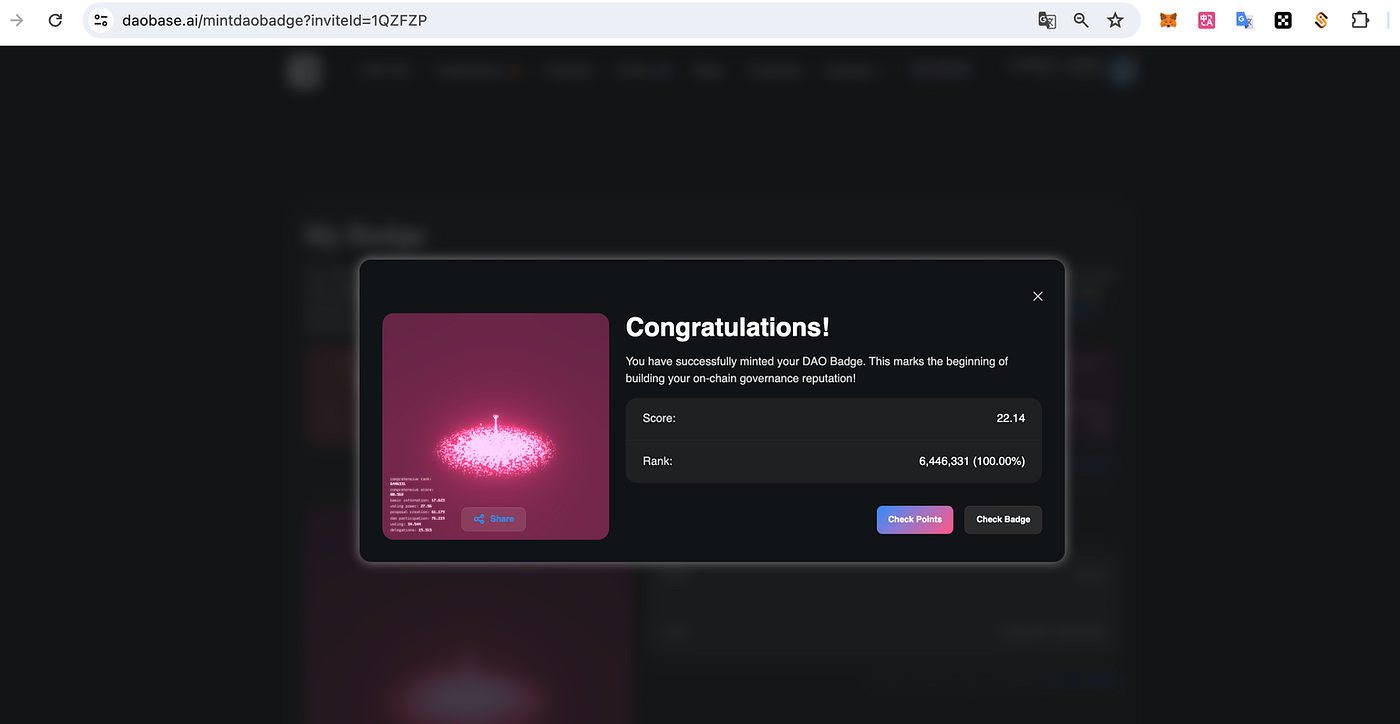
- Verifiable Contributions: Soulbound NFTs provide on-chain proof of commitment, as seen in MeritDAOcracy bounties awarding governance points for real impact.
- Tourist Deterrence: Non-transferable badges lock out short-term speculators, ensuring only committed members like Artemis Protocol stakeholders influence decisions.
- Dynamic Evolution: Badges evolve with engagement, like DAOBadgeX or RootstockCollective NFTs that upgrade based on ongoing activity.
- Snapshot Integration: Seamlessly links NFT ownership to voting power on Snapshot, blending on-chain credentials with off-chain efficiency.

Case Studies: DAOs Pioneering Commitment-Based Governance
RootstockCollective exemplifies the power of dynamic NFTs, issuing badges that denote roles and impact, unlocking BTC rewards and voting tiers. MeritDAOcracy takes it further, awarding soulbound badges for bounty completions, converting effort into governance points. This merit-based model, as seen in Polkadot's Ambassador Fellowship proposals, demands votes on core commitments before on-chain implementation.
Optimism's Token House nominations underscore the mindset: delegates earn badges through consistent, high-quality participation. Governancenft. com details tiered systems enhancing transparency, where badges streamline participation levels. By integrating with off-chain tools like Snapshot, DAOs recognize NFT ownership as voting basis, creating immutable records that build trust.
These implementations reveal a pattern. When DAOs demand on-chain proof of commitment, tourists find the gate barred. Contributors, badge-adorned, step forward with conviction, their voices amplified by deeds, not dollars. This isn't mere mechanics; it's a cultural evolution toward sustainable, community-driven stewardship.
Yet this evolution demands thoughtful execution. DAOs must design badge systems that balance accessibility with rigor, ensuring newcomers can earn entry without gatekeeping the committed. Platforms like Governance NFT Badges simplify this, providing tools to mint, verify, and integrate DAO voting badges NFT seamlessly across chains.
Practical Steps for Locking Out Tourists
Crafting an effective badge regime starts with defining commitment metrics: bounties completed, proposals authored, or stakes locked for epochs. Tiered structures, as in Governancenft. com examples, grant escalating privileges - from observer status to veto power. Integrate with Snapshot for hybrid voting, where badge ownership multipliers weigh token votes, blending merit with liquidity.
Dynamic evolution keeps badges alive. DAOBadgeX models show NFTs updating via oracles, reflecting real-time engagement. This verifiability deters sybils; one can't fake on-chain history. For inspiration, consider Optimism's badge nominations, where proven delegates earn rPGF voting credentials through relentless quality.
Traditional Token Voting vs. NFT Badge Governance
| Aspect | Token Model | Badge Model |
|---|---|---|
| Transferability | Fully transferable; votes can be bought/sold on open markets 🚀 | Non-transferable soulbound NFTs; locked to the holder 🔒 |
| Commitment Proof | None; purely based on token holdings 📊 | On-chain verifiable proof of contributions and engagement 🏆 |
| Tourist Resistance | Low; tourists/whales can easily acquire voting power via purchases 😞 | High; requires proven commitment, effectively locks out speculators 💪 |
| Scalability | High; simple token distribution to large numbers 🌐 | Moderate; issuance tied to merit/actions, but integrates with platforms like Snapshot ⚖️ |
| Examples | Most DAOs (e.g., Uniswap UNI, Compound COMP, one-token-one-vote models) | RootstockCollective (dynamic role NFTs), MeritDAOcracy (bounty badges), DAOBadgeX, Artemis Protocol-inspired systems |
Implementation hurdles exist, but they're surmountable. Gas fees can deter small DAOs; layer-2 solutions like Radix or Rootstock mitigate this. Legal gray areas around soulbound tokens? Frame badges as utility proofs, not securities. Most critically, cultivate culture: celebrate badge earners publicly to inspire emulation.
Real-World Impact and Metrics
Early adopters report tangible gains. MeritDAOcracy saw proposal quality rise 40% post-badges, as casual voters receded. RootstockCollective's BTC rewards tied to badges boosted retention, with active voters holding 3x longer than token speculators. Polkadot forums debate on-chain commitments, signaling broader traction.
These metrics underscore a truth I've witnessed across portfolios: alignment breeds outperformance. DAOs wielding governance NFT badges attract institutional capital wary of plutocracy, positioning for sustainable growth amid web3 maturation.
Looking ahead, expect proliferation. As a16z notes, governance tailors to goals - neutrality favors ossified badges, innovation demands fluidity. Hybrid models blending NFT governance tokens with soulbinds will dominate, per CharmVerse and Nouns DAO precedents. Platforms evolve too; Governance NFT Badges leads with user-friendly issuance, from drag-and-drop designs to multi-chain verification.
Envision DAOs as meritocracies, where on-chain voting proof illuminates paths to leadership. Tourists glance through the window, but only badge-bearers enter the forum. This isn't exclusion for its sake; it's inclusion earned, forging communities resilient to hype and adversity. Contributors, once sidelined, now steer with authority born of sweat and code. The blockchain's promise - power to the proven - finds its form in these untradeable emblems of devotion.
For DAOs ready to elevate, explore how to issue governance NFT badges tailored to your vision. The tools exist; the commitment is yours to claim.




No comments yet. Be the first to share your thoughts!