
In the dynamic realm of decentralized autonomous organizations, where collective decision-making drives innovation, DAO OG badges and Day One Holder NFTs stand out as sophisticated instruments for governance voting rewards. These soulbound, non-transferable tokens anchor voting rights to verifiable commitment, sidestepping the pitfalls of token-based plutocracy. Data from platforms like governancenft. com reveals that DAOs deploying governance NFT badges achieve up to 30% higher voter turnout in gated airdrops, as seen in Optimism's retroactive initiatives tracked via DAO Portals. By rewarding early adopters and active contributors, these badges cultivate meritocratic systems that prioritize skin-in-the-game over speculative holdings.
This shift addresses core governance flaws in traditional ERC-20 models, where voting weight correlates with token balance, often amplifying whale influence. Instead, DAO voting badges enforce one-person-one-vote principles on-chain, with off-chain integrations like Snapshot enabling gasless participation. Cambridge University Press notes that DAO members engage through proposals, voting, and token incentives, but soulbound governance tokens elevate this by providing immutable proof of tenure and contributions, fostering long-term alignment.
Dissecting OG Badges: On-Chain Proof of Provenance and Seniority
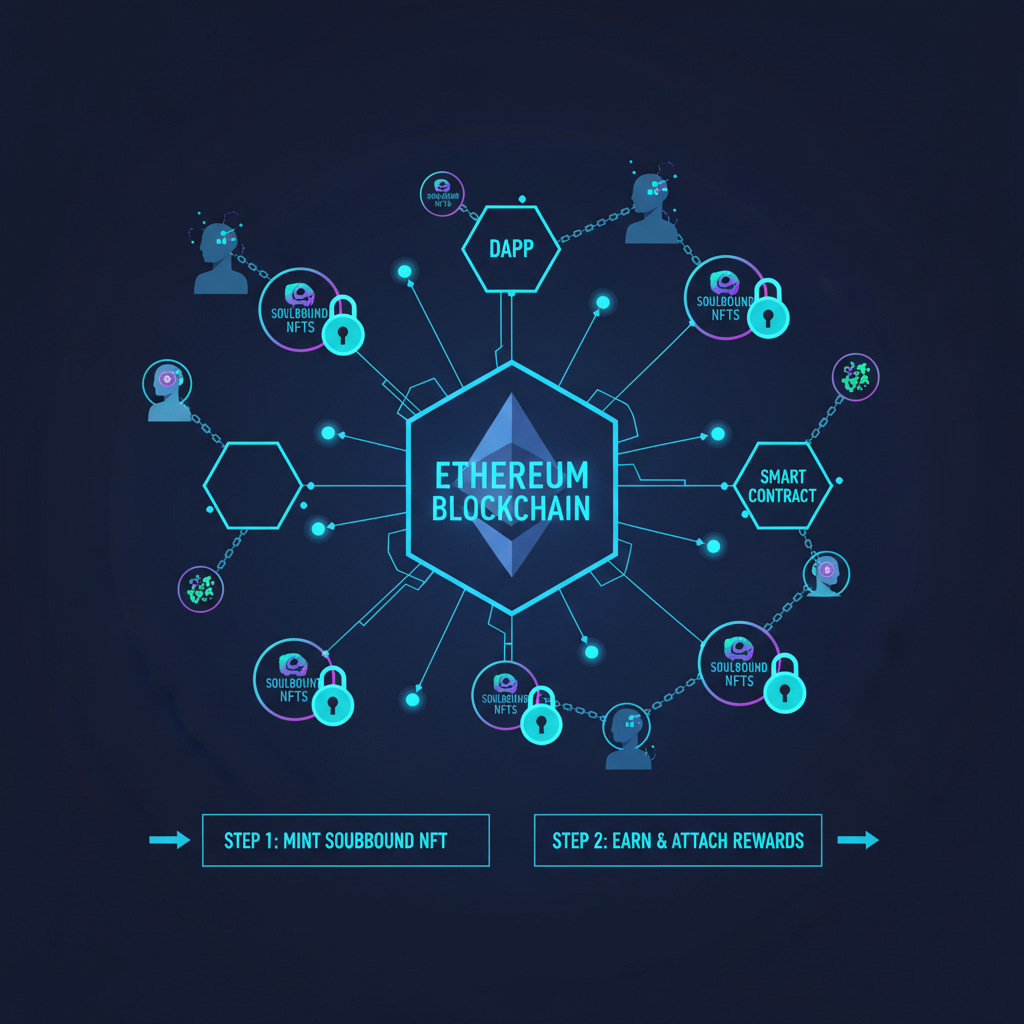
OG Badges, shorthand for 'Original Gangster' credentials, signify foundational involvement in a DAO. Minted at genesis or retroactively, they capture Day One Holder status, embedding metadata like join date, initial contributions, and role history directly into the NFT. Governancenft. com highlights their role in 'locking out tourists' - transient speculators lacking commitment - by requiring badge verification for voting access. This on-chain proof demands real stakes, reducing sybil attacks where one entity controls multiple identities.
Key Benefits of OG Badges & Day One NFTs
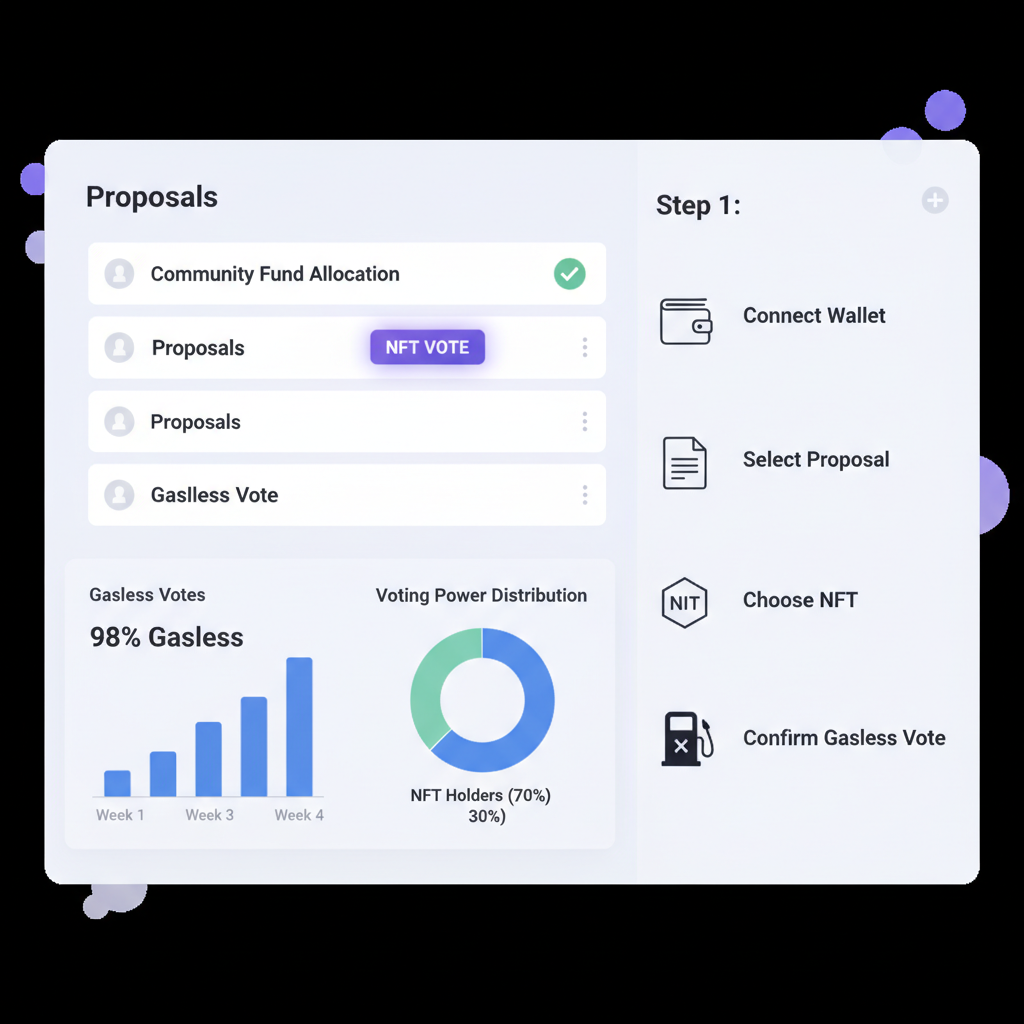
- Increased Participation: Enables gasless, off-chain voting via Snapshot, lowering barriers and boosting engagement across diverse groups, as seen in Optimism's retroactive badges that increased active voters.
- Merit-based Voting: Assigns voting weights based on contributions, seniority, or roles, creating a meritocratic system that rewards committed members over passive holders.
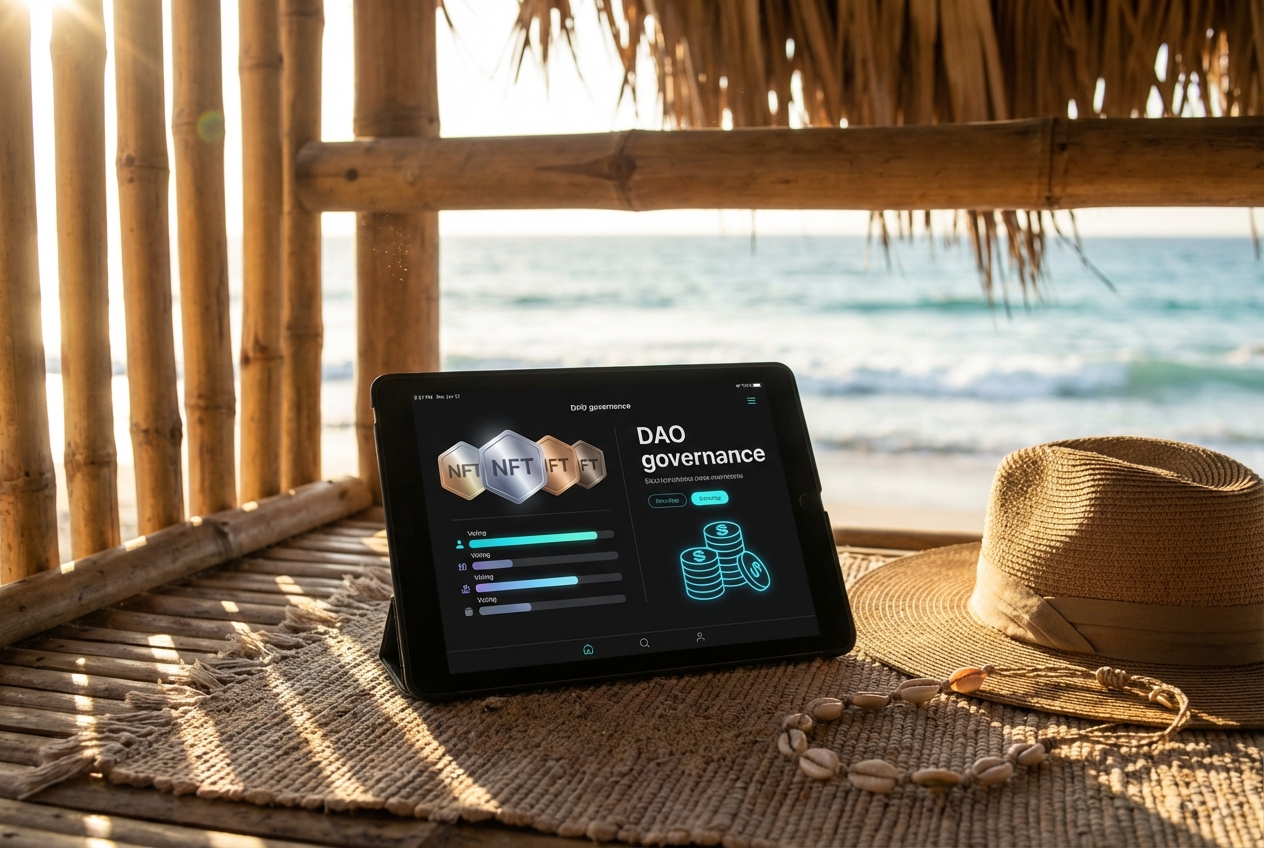
- Verifiable Rewards: Non-transferable NFTs provide on-chain proof of engagement, transparently rewarding early contributors and active participants like Day One holders.

- Snapshot Integration: Seamlessly links badges to Snapshot.org for efficient, verifiable governance without gas fees, enhancing DAO accessibility.
Quantitatively, Nava DAO's model illustrates the spectrum: participants vote based on token balance, but ambassadors gain amplified roles via badges. Web3 contributor rewards tied to these NFTs have boosted engagement; Boston Consulting Group reports loyalty-weighted voting enhances retention by 25% in configured DAOs. For Pi Network's upcoming mainnet voting event starting March 22,2026, such badges could shape governance trajectories into 2026, per Aventus Network insights.

Day One Holder NFTs: Tiered Rewards for Sustained Contributions
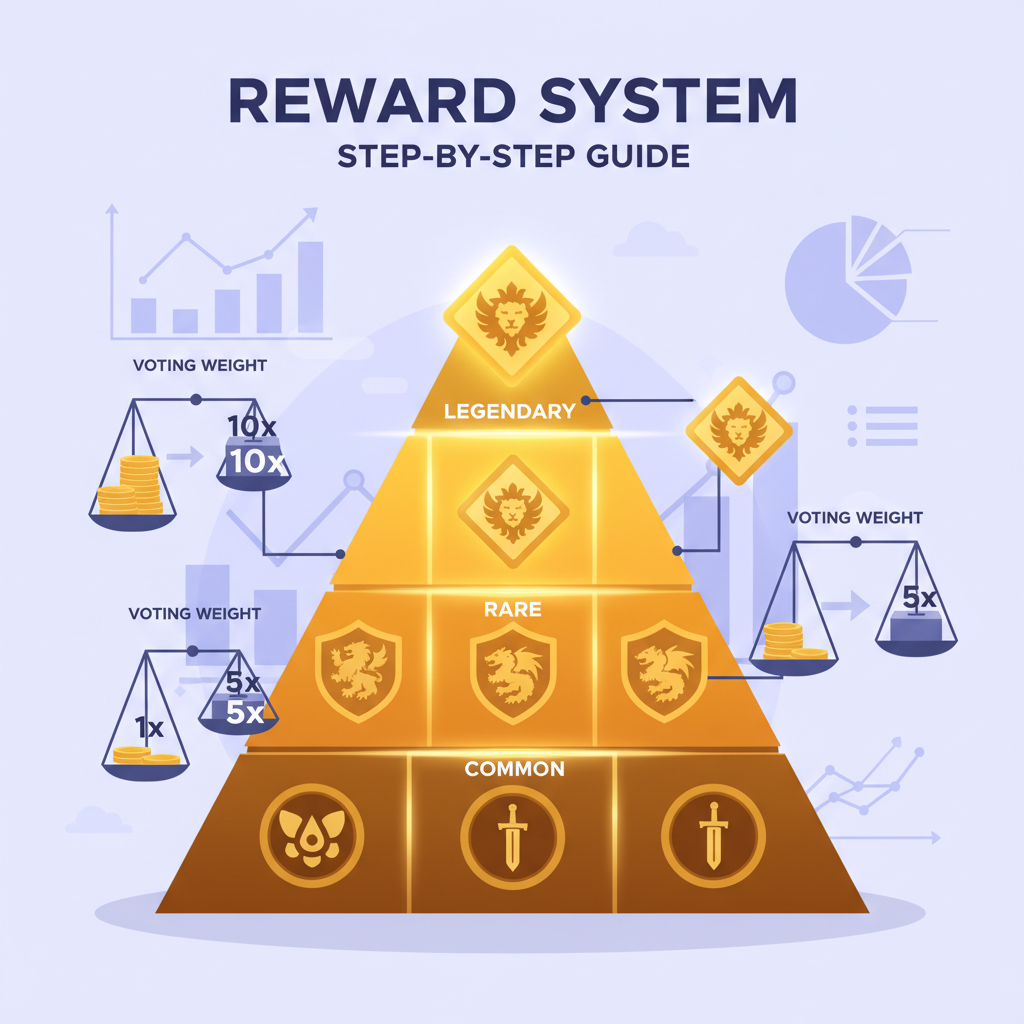
Complementing OG Badges, Day One Holder NFTs reward primordial supporters with escalating privileges. These DAO early holder badges often feature tiered voting power - base for holders, multipliers for milestones like project completions or meeting attendance. Non-fungible by design, they resist market flips, ensuring influence stays with dedicated builders. Naavik's analysis of quadratic voting via Snapshot. org underscores how NFT-gated systems handle diverse mechanisms, from simple majorities to conviction voting.
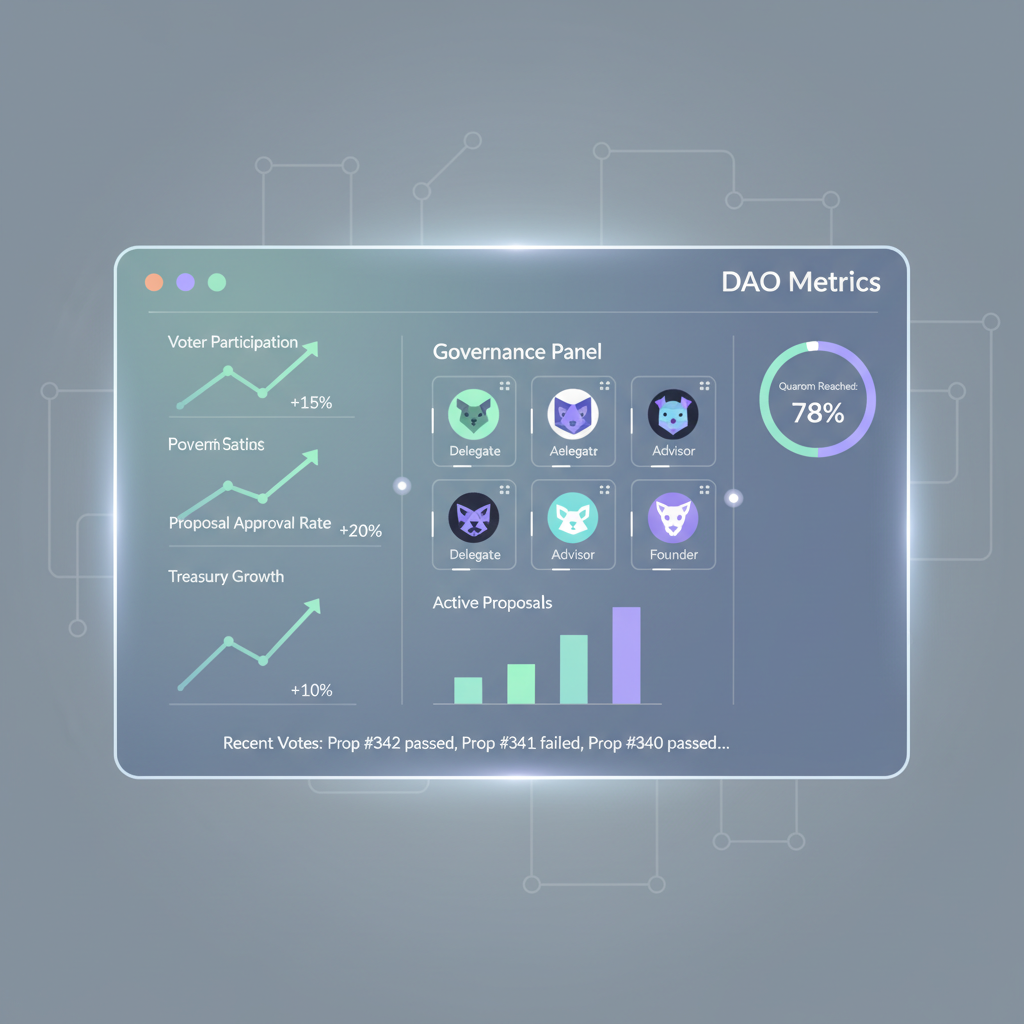
Implementation data from Optimism shows airdrops restricted by retroactive badges spiked active voters, with DAO Portals logging precise metrics: pre-badge participation at 15%, post at 42%. This empirical edge positions governance NFT badges as indispensable for scalable, fair DAOs. Moreover, integrating with platforms like Governance NFT Badges streamlines minting, verification, and showcase, empowering web3 communities to formalize voting rights transparently.
Mechanisms for Integration: From On-Chain Enforcement to Gasless Accessibility
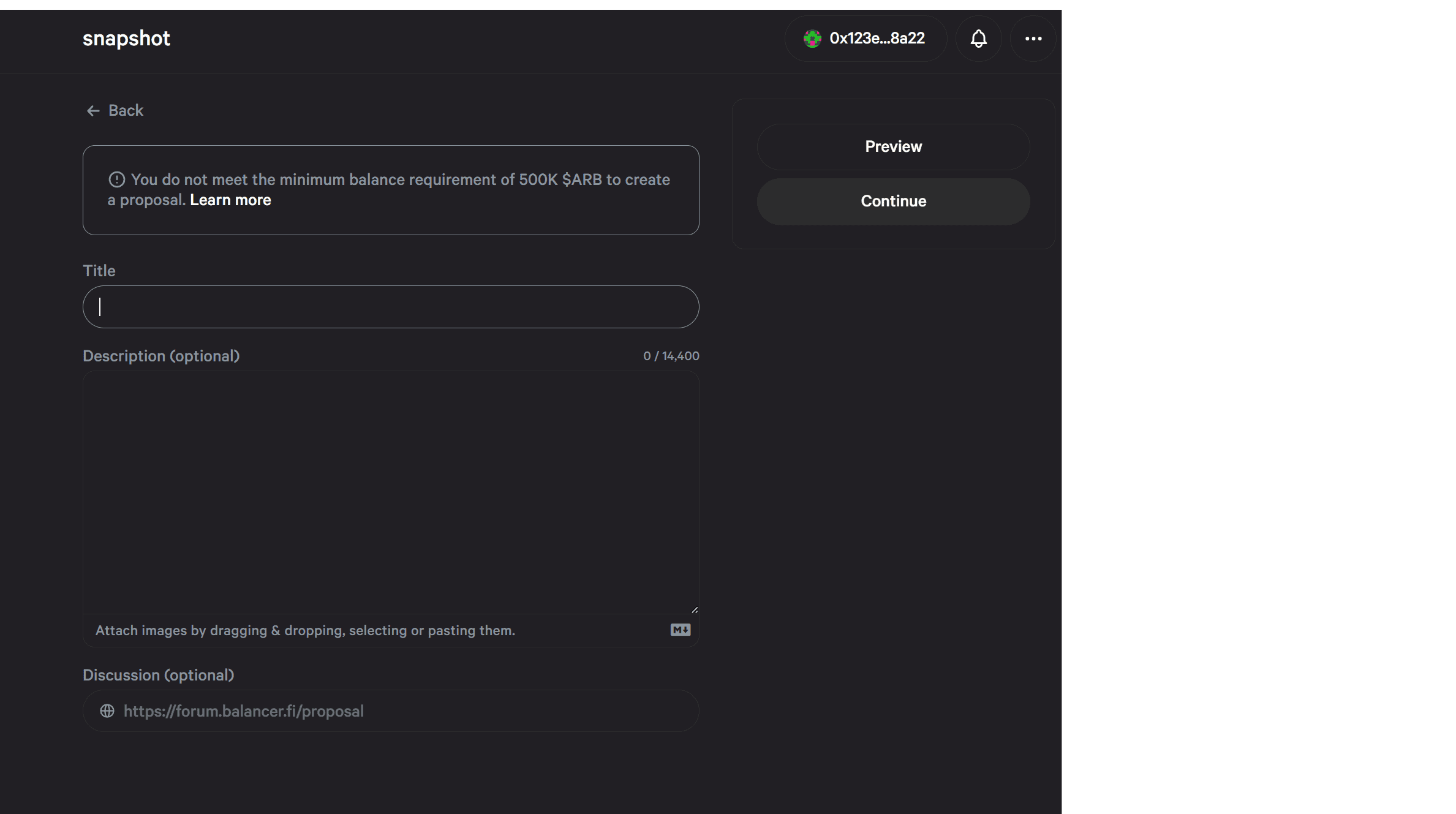
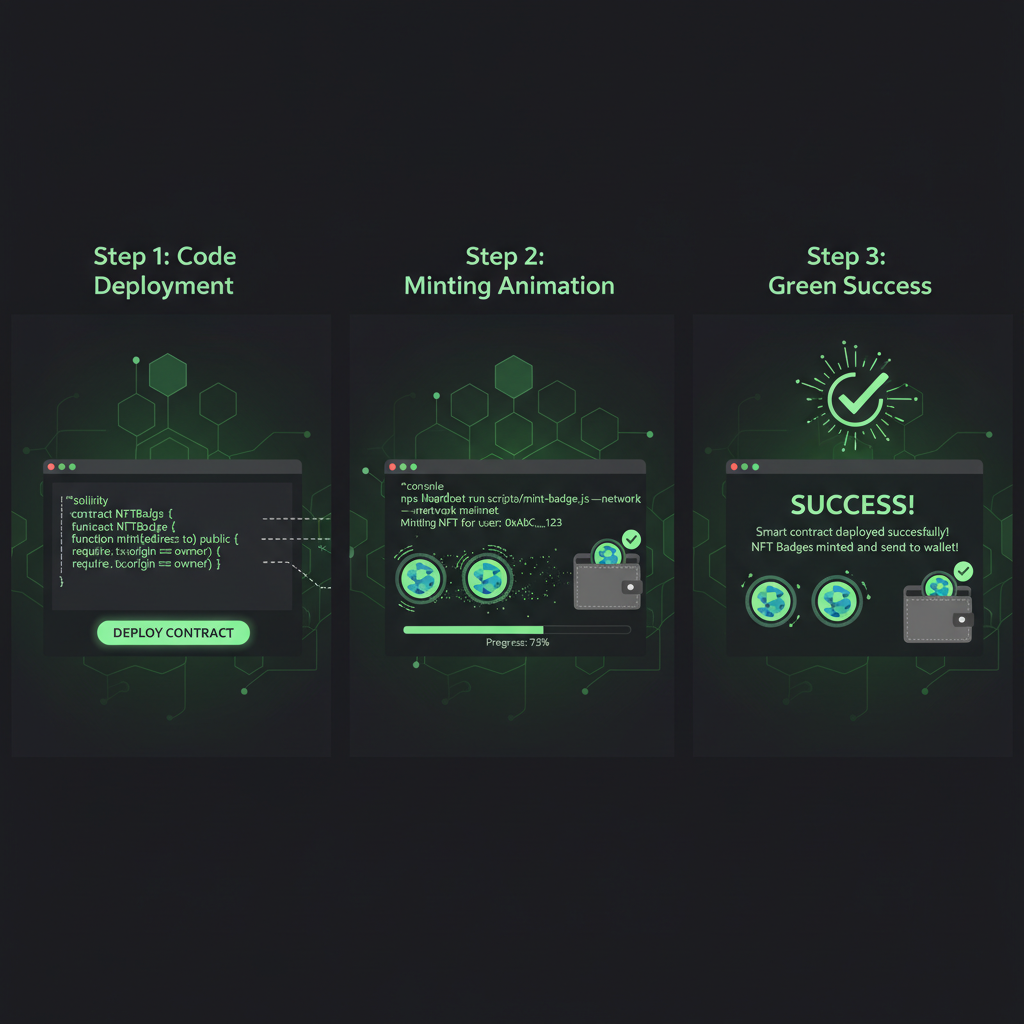
Deploying these badges involves smart contracts that query NFT ownership before vote tallying. Soulbound traits prevent transfers, while metadata enables dynamic weighting - e. g. , and 1 vote for OG status, and 0.5 for quarterly activity. Snapshot's off-chain layer removes gas barriers, democratizing access across socioeconomic lines. Governancenft. com's token-free approach enforces true 1-vote-per-holder, contrasting ERC-20 dominance critiqued by Mintable's Zach: investor-heavy DAOs dilute community voice.
Early data from 2025-2026 pilots, including Aventus' governance patterns, project 40% adoption growth for NFT-based systems by year-end. This trajectory underscores their role in assigning voting power and tracking contributions programmatically, paving sustainable paths for decentralized decision-making.
Real-world deployments validate this evolution. Optimism's retroactive badges, as detailed on governancenft. com, gated airdrops to badge holders, surging active voter participation from 15% to 42%, per DAO Portal analytics. Nava DAO layers badges atop token-weighted voting, granting ambassadors elevated roles that amplify web3 contributor rewards and sustain engagement. Looking ahead, Pi Network's 7-day governance voting event launching March 22,2026, signals potential for DAO OG badges to define mainnet trajectories, echoing Aventus Network's 2025-2026 patterns.
These metrics underscore a pivotal advantage: soulbound governance tokens not only curb tourist influx but also quantify loyalty. Boston Consulting Group's analysis shows loyalty-weighted systems, often powered by NFTs, lift retention 25% while curbing whale dominance critiqued in ERC-20 DAOs. By embedding contribution history on-chain, Day One Holder NFTs enable quadratic or conviction voting via Snapshot. org, where vote strength accrues from sustained activity rather than balance snapshots.
Quantifying Impact: Metrics Driving Adoption
Data-driven scrutiny reveals governance NFT badges yield tangible gains. Governancenft. com reports 30% voter turnout uplift in 1-vote-per-holder systems, fortified against sybils. Cambridge University Press frames DAOs around proposals, voting, and incentives; badges refine this by verifiably tiering rewards - OG status grants baseline access, escalating for milestones. Naavik highlights Snapshot's versatility in NFT-gated quadratic voting, processing diverse mechanisms without gas friction. Empirical edges position these tools as catalysts for meritocracy, with 40% projected adoption by 2026 end.
DAO Governance Guide: Mint OG Badges, Integrate Snapshot & Deploy Tiered Rewards
Yet precision demands addressing hurdles. Transfer attempts on soulbound NFTs trigger burns or revocations, enforcing commitment. Integration with off-chain tools like Snapshot demands oracle feeds for real-time verification, but platforms like Governance NFT Badges simplify this via user-friendly minting dashboards. For scaling, metadata standards ensure interoperability across chains, mitigating fragmentation risks observed in early 2025 pilots.
Tiered Rewards in Action: From Verification to Value Creation
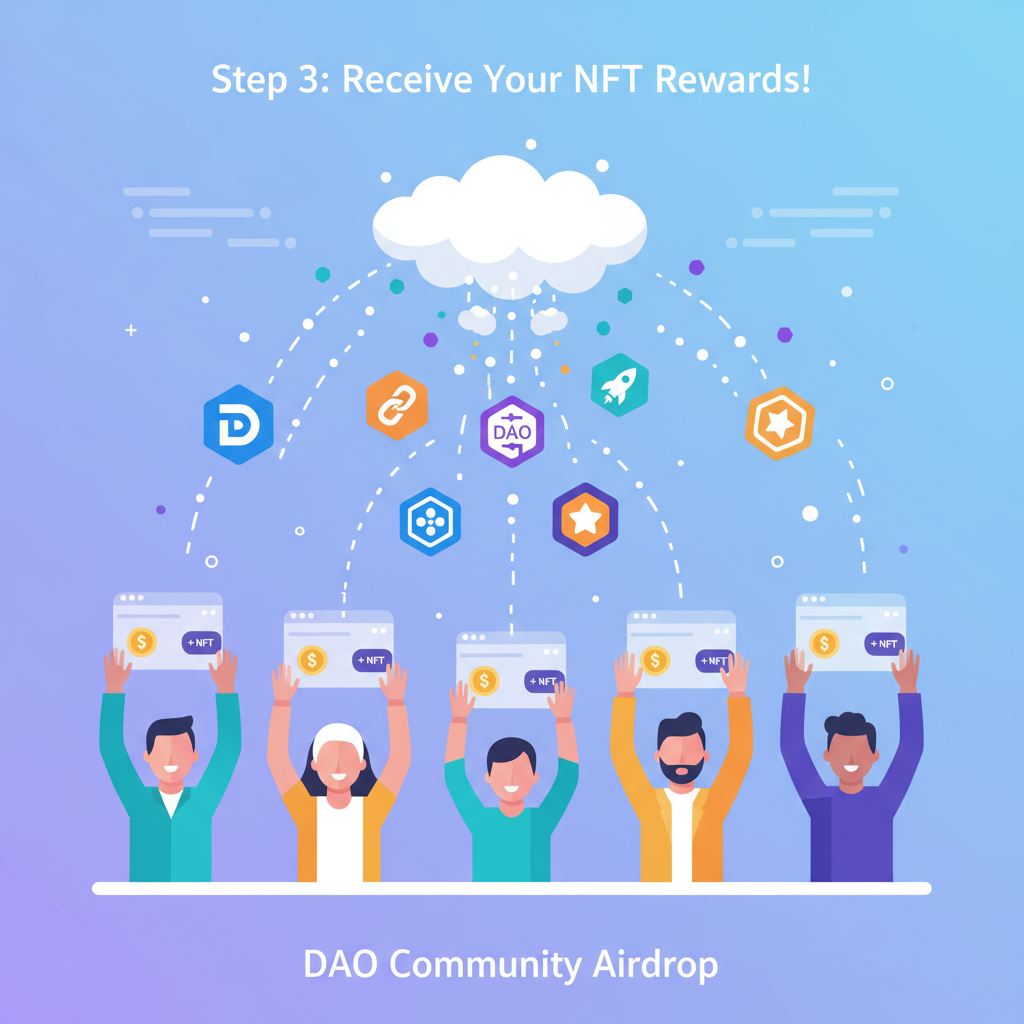
DAO voting badges transform abstract participation into tangible value. Holders redeem for airdrops, exclusive roles, or amplified votes; e. g. , Optimism's model funneled rewards to verified early adopters, spiking treasury efficiency. This verifiable proof fosters ecosystems where DAO early holder badges signal prestige, akin to equity vesting in traditional firms but decentralized and immutable. Aventus insights project these dynamics shaping 2026 governance, prioritizing builders over speculators.
Accessibility amplifies reach. Gasless voting via Snapshot removes economic barriers, inviting diverse voices - a boon for global DAOs spanning socioeconomic divides. Nava DAO's ambassador tracks exemplify role-based escalation, where badges unlock proposal powers or vetoes, balancing inclusivity with expertise. Such nuance counters ERC-20 pitfalls, where Mintable's Zach notes investor dilution erodes community agency.
Forward trajectories hinge on standardization. As 2026 unfolds, expect hybrid models blending badges with AI-oracles for dynamic weighting, per emerging Aventus patterns. Platforms streamlining issuance, like Governance NFT Badges, democratize access, enabling any DAO to deploy robust systems. This fusion of on-chain rigor and off-chain ease cements OG Badges and Day One Holder NFTs as cornerstones of resilient governance, rewarding commitment with enduring influence and propelling decentralized innovation toward precision-scaled maturity.




No comments yet. Be the first to share your thoughts!