

In the evolving landscape of decentralized governance, soulbound governance NFTs stand out as a pivotal innovation for DAOs. These non-transferable tokens, often built on the ERC-4973 standard, bind voting rights directly to an individual’s verifiable contributions, sidestepping the pitfalls of tradable tokens that invite sybil attacks and mercenary capital. As DAOs mature in 2026, platforms like Governance NFT Badges make it feasible to mint these DAO voting badges without deep coding expertise, fostering merit-based decision-making that aligns long-term incentives.

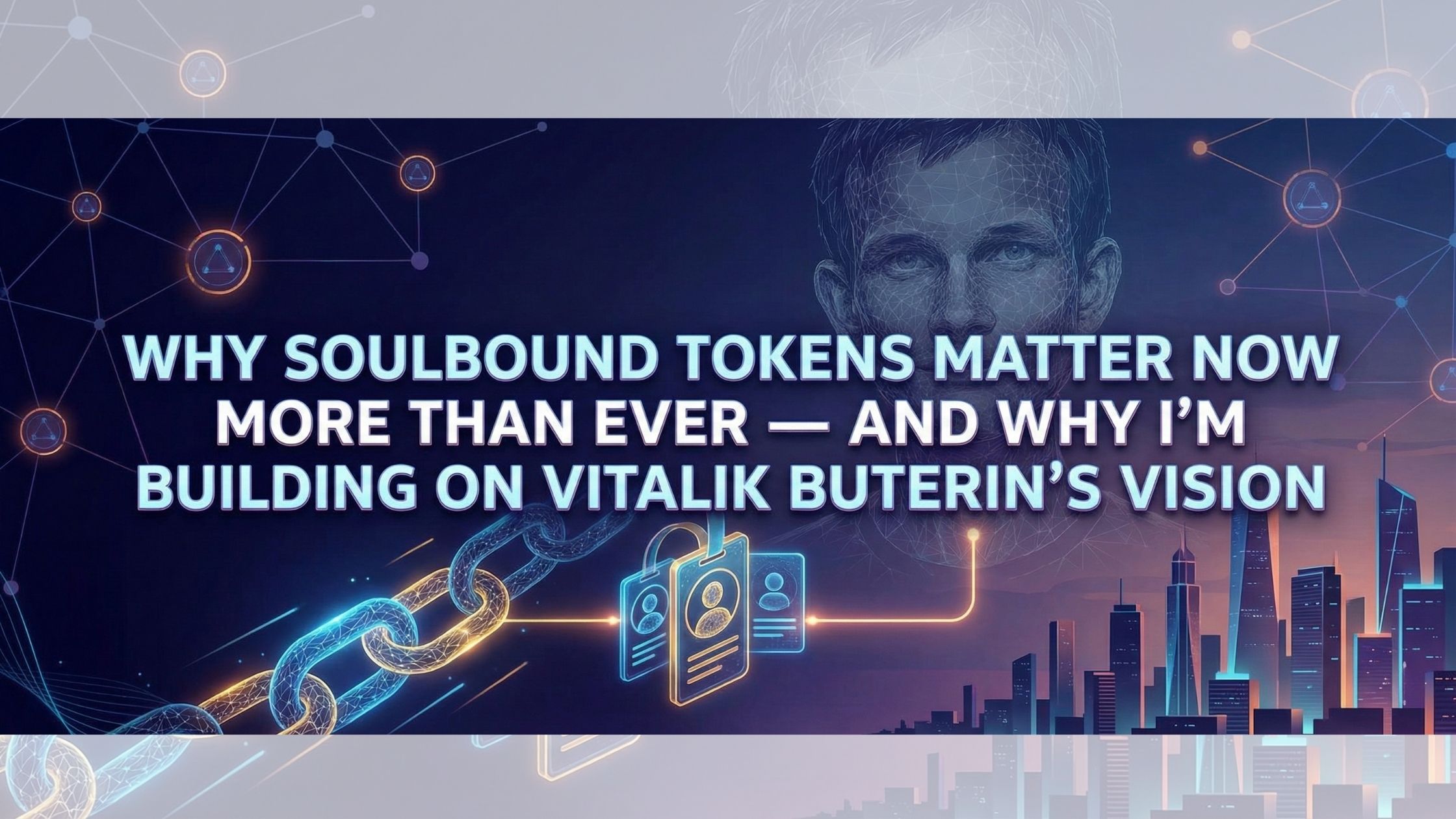
Soulbound tokens differ fundamentally from standard ERC-721 NFTs by disabling transfer functions, ensuring that governance NFT minting creates enduring credentials. This approach transforms DAO membership from a speculative asset into a reputation signal, much like a digital badge of honor. Drawing from Ethereum Attestation Service (EAS) and Layer 2 efficiencies, the process emphasizes transparency and scalability, critical as DAOs manage treasuries worth millions.
Defining Eligibility Criteria Using EAS Schemas
The foundation of robust DAO governance badges lies in precise eligibility rules. Start by leveraging EAS schemas to codify criteria such as GitHub commits, Discord engagement, or forum posts. These schemas act as on-chain proofs, verifiable by anyone, preventing disputes and enabling automated issuance.
Consider a DAO rewarding core developers: an EAS schema might require 50 and merged pull requests over six months, attested by a multisig oracle. This meritocratic filter ensures badges reflect real value added, not purchased influence. Platforms streamline schema creation with no-code interfaces, reducing setup to hours rather than weeks.
🦄What are Soulbound tokens (SBTs)?
Soulbound tokens are non-transferable tokens representing a person’s identity using blockchain technology. This idea was first discussed by Buterin and his colleagues in January 2022 and published in a paper titled “Decentralized Society: Finding Web3’s Soul.” in May 2022.
These SBTs represents the commitments, credentials and affiliations of an individual holder to a DAO or community.
💫 SBTs Use Cases
📍 Enhanced compliance and user verification
📍 Reputation-based voting for decentralized autonomous organization (DAO) governance models. This could also help DAOs mitigate Sybil attacks
📍Intellectual property
📍Personal certifications
💫SBTs available on phaver
📍Phaver Naija pass 🇳🇬
📍Altcointurk pass 🇹🇷
📍Anima Proof of personhood 🧔🏾🤳🏾
📍 Phaver Turkiye pass 🇹🇷
📍 Phaver Diamond Hands 💎
📍 Phaver Debut Voter 🪪 e.t.c
💫Use cases of Phaver SBTs
📍 Enables faster leveling up in Phaver for …

Integrating Chainlink Oracles for Off-Chain Verification
Once schemas are set, Chainlink oracles bridge the gap between off-chain data and on-chain reality. They fetch metrics like contribution scores from APIs, validate against EAS attestations, and trigger minting only for qualified wallets. This automation minimizes human bias and scales to thousands of members.
In practice, configure an oracle job to query GitHub APIs, cross-reference with wallet activity, and emit a signed attestation. Gas costs plummet on Layer 2, making frequent verifications viable. I’ve seen DAOs cut verification overhead by 80% this way, preserving treasury for high-impact proposals.
With verifications in place, deploy a battle-tested ERC-4973 soulbound contract on Optimism or Base. These L2 chains slash fees to pennies per mint, vital for batch distributions. Pre-audited templates from Governance NFT Badges include hooks for DAO voting platforms like Snapshot or Tally, where badge ownership weights votes. Customization involves overriding transfer functions with reverts and adding metadata URIs for badge visuals. Deploy via Remix or Hardhat, verifying on Etherscan equivalents. This step locks in non-transferability, ensuring verifiable voting NFTs remain tied to their earners. Early adopters report 3x higher participation rates, as members stake their reputation on proposals. Transitioning to no-code minting platforms next builds on this infrastructure, democratizing access for non-technical DAO stewards. Platforms like WarpSynk and Dork. fi take the heavy lifting out of governance NFT minting, letting DAO admins set parameters through intuitive dashboards. Upload your EAS schema proofs, define metadata like badge traits for contribution tiers, and cap supplies to avoid dilution. These tools handle URI pinning on IPFS, ensuring metadata persists without centralized points of failure. Customization shines here: assign dynamic traits based on attestation scores, such as ‘Gold Contributor’ for top 10% or ‘Veteran Voter’ for consistent participation. Set expiration logic if badges represent time-bound roles, reverting to burn functions post-term. Costs? Under $0.50 per mint on Base, with bulk discounts scaling further. This phase bridges technical deployment to mass adoption, empowering smaller DAOs to compete with behemoths. Next, efficiency demands a Merkle tree for airdrops, compressing thousands of addresses into a single proof for gas savings. Compile verified wallets from oracle outputs into a Merkle tree using libraries like MerkleTree. js. Each leaf holds an address and badge ID; the root commits to the entire list on-chain. Members claim via a frontend interface, proving inclusion without revealing the full roster, a privacy win amid growing regulatory scrutiny. This structure cuts deployment costs by 90% for 10,000 and badges. Tools auto-generate trees from CSV exports of eligibility data, with auditors verifying root integrity pre-airdrop. DAOs like those on Optimism have leaned on this for quarterly rewards, sustaining engagement without draining treasuries. Initiate the transaction: one call mints across the tree, lazy-claiming as users interact. Platforms notify via Discord bots or email, prompting claims. Post-mint, badges appear in wallets like Rabby or DeFiLlama, ready for governance hooks. Monitor via explorers for stuck claims, but L2 finality keeps hiccups rare. Success metrics emerge fast; one DAO saw voting turnout jump 250% as badges gamified participation. Troubleshoot by whitelisting contracts on voting UIs, ensuring seamless integration. Sustain momentum with a KPI dashboard pulling on-chain data: track badge holders’ vote ratios, proposal pass rates, and treasury velocity. Dune Analytics queries or The Graph indexers feed real-time visuals, alerting on drops below quorum thresholds. Tie badges to escalating privileges, like multi-sig access for elite tiers, evolving governance dynamically. Layer in off-chain signals via oracles for holistic views, correlating Discord activity with on-chain votes. This feedback loop refines future issuances, turning badges into living credentials. Hook your soulbound governance NFTs into Snapshot for gasless polls or Tally for execution. Contracts expose balanceOf views weighted by badge level, enabling quadratic or reputation voting. Aragon V2 plugins recognize ERC-4973 natively, automating access to proposals based on holdings. Test on forks first; misconfigs have sunk launches. Detailed minting and integration guides clarify hooks, but prioritize audited code. Results? Sybil resistance skyrockets, with genuine stewards driving outcomes over whales. Opt for L2 from the start, customize contracts rigorously, and iterate via dashboards. These DAO voting badges don’t just signal status; they forge resilient communities where contributions compound into unbreakable trust. Governance NFT Badges equips you every step, from schema to spotlight. Configuring Minting on No-Code Platforms
Generating Merkle Tree for Batch Airdrop Lists
Launching KPI Dashboards for Ongoing Oversight
Seamless Integration with DAO Voting Systems
About the Author