
Picture this: instead of static token holdings dictating all the power in a DAO, tradable governance NFT badges are making voting rights dynamic, personalized, and merit-based. Welcome to the new frontier of decentralized decision-making, where influence is earned, not just bought. This energetic shift is already visible across leading Web3 communities and DAOs, as tradable governance NFT badges become the digital keys to reputation, participation, and real authority.

From ERC-20 Tokens to Dynamic NFT Governance
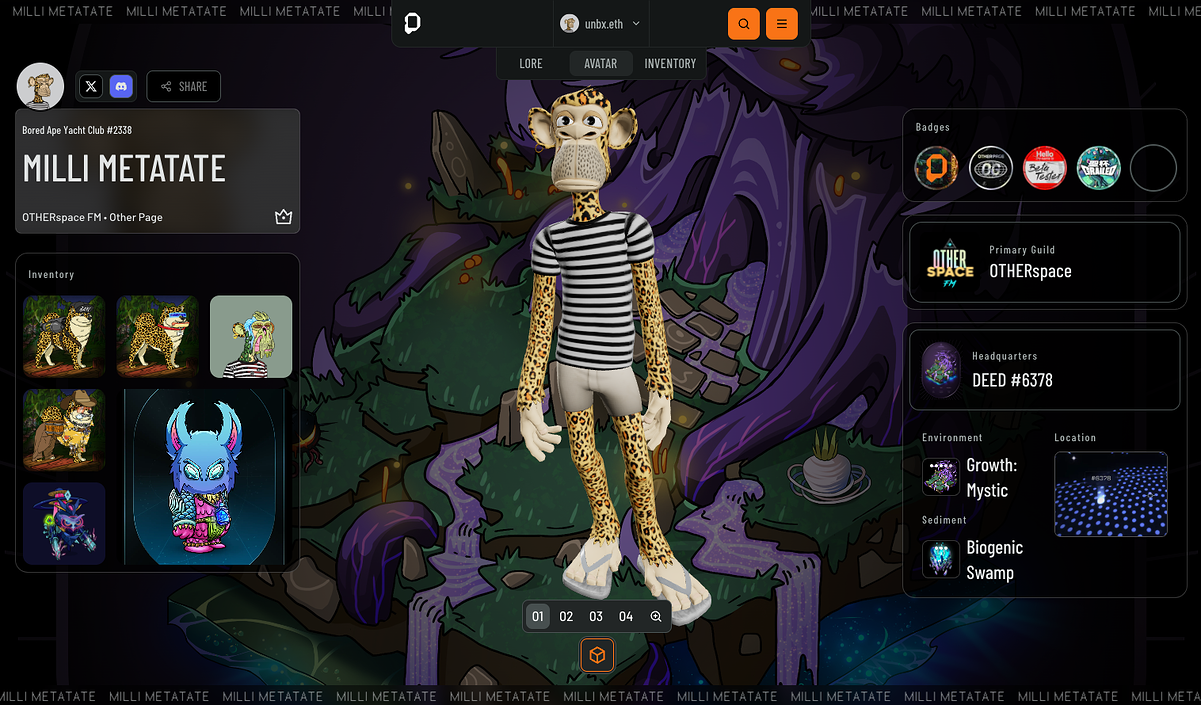
The traditional model for DAO voting has long relied on fungible tokens like ERC-20s. While simple, this approach often leads to passive investors wielding outsized influence or whales dominating proposals. Enter DAO voting rights NFTs: unique, verifiable badges minted on-chain that represent a member’s specific role, contribution level, or achievement within the organization.
This evolution means your voice in a DAO can be tied directly to what you’ve done – not just how much you’ve staked. For example, NFT governance badges can recognize top contributors with extra voting weight or unlock special proposal privileges for those who lead projects. It’s a meritocratic system that incentivizes active participation over passive investment.
The Power (and Peril) of Tradability
The ability to trade these badges adds an intriguing new layer to tokenized governance power. On one hand, it creates liquidity for reputation and enables members to monetize their hard-earned standing if they choose. On the other hand, it raises concerns about the commodification of voting rights – could wealthy actors simply buy up influence?
To maintain fairness and transparency, many DAOs are experimenting with innovative mechanisms:
Innovative Ways DAOs Balance Badge Tradability & Fair Voting
-
Reputation Decay Systems: DAOs like Gitcoin DAO implement reputation decay, where the voting power attached to NFT badges decreases over time unless members remain active. This ensures that influence is tied to ongoing contributions, not just past achievements.
-
Capped Badge Accumulation: Some DAOs set limits on how many governance NFT badges a single wallet can hold or use for voting. This mechanism, used by projects like BanklessDAO, prevents power concentration and promotes broader participation.
-
Role-Based Voting Rights: DAOs such as BanklessDAO assign NFT badges for specific roles—editorial, operational, or leadership. Voting power is linked to these roles, ensuring that only qualified contributors influence relevant decisions.
-
On-Chain Identity Verification: Platforms like BrightID integrate with DAOs to verify unique human identities, helping prevent sybil attacks and ensuring that each badge represents a real participant, not a bot or duplicate.
-
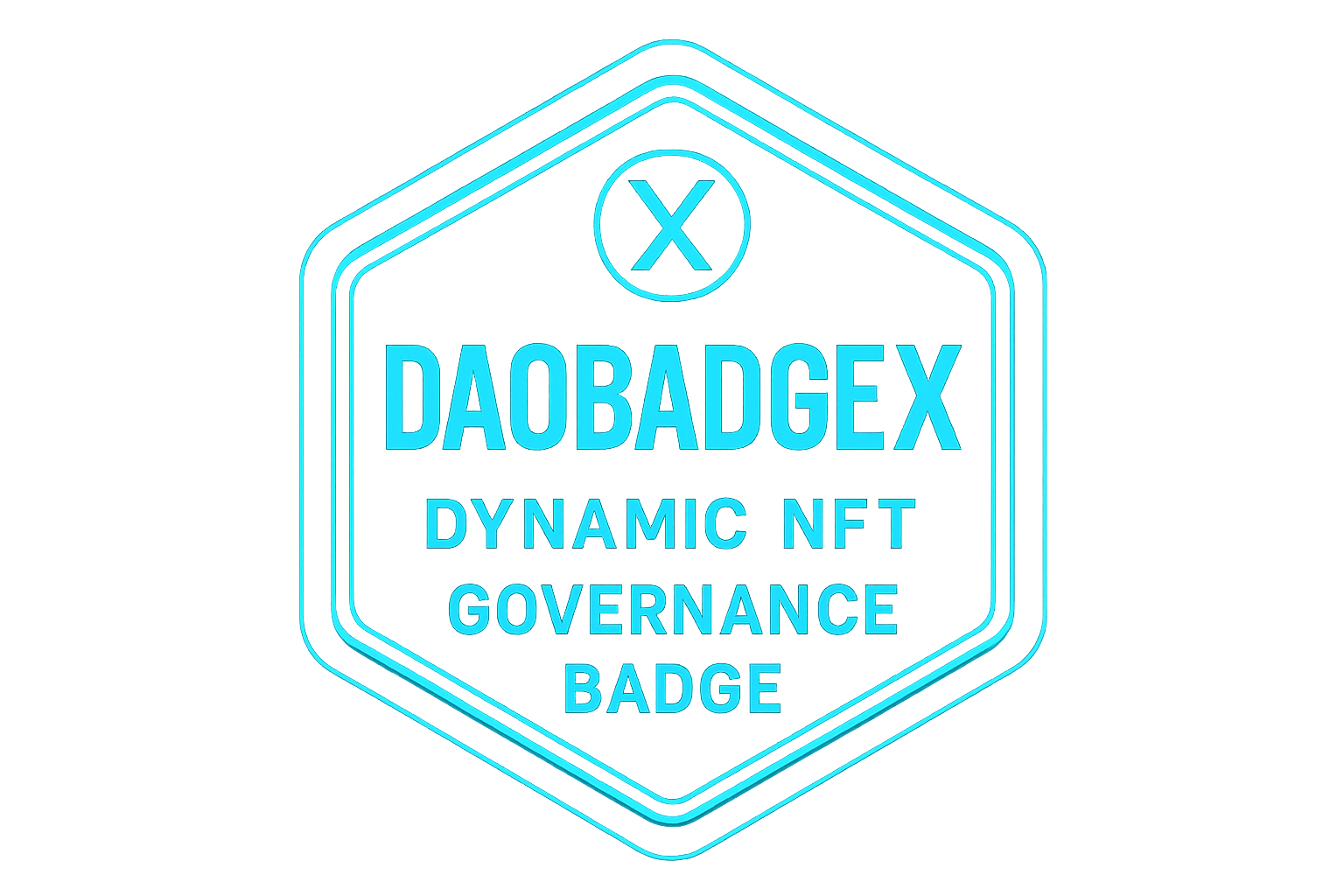
Dynamic & Evolving Badges: Solutions such as DAOBadgeX offer NFT badges that evolve based on a member’s ongoing activity and reputation, making it harder to simply buy influence and rewarding sustained engagement.
Some organizations cap how many badges any one wallet can hold. Others implement reputation decay so that only ongoing contributions keep your badge at peak power. Identity verification layers are also emerging as tools to prevent Sybil attacks and ensure that each badge represents real engagement.
Real-World Use Cases: Gitcoin DAO and BanklessDAO Lead the Charge
This isn’t just theory – several high-profile DAOs have already integrated tradable NFT badges into their core operations:
- Gitcoin DAO: Issues Kudos NFT badges as proof of impact for contributors. These on-chain credentials directly affect voting weight in key proposals.
- BanklessDAO: Uses role-based NFT badges for editorial leads, project managers, and community moderators – each with tailored governance rights attached.
- Nouns DAO: Mints unique NFTs as both membership cards and votes in daily auctions that shape treasury allocation and project direction.
The result? A more dynamic landscape where members’ reputations are portable assets – visible across platforms and verifiable by anyone on-chain.
The Benefits: Flexibility Meets Accountability
The beauty of this system lies in its flexibility. Tradable governance NFT badges allow DAOs to quickly adapt their voting frameworks as communities evolve. Want to reward early adopters? Issue limited-edition launch badges with enhanced rights. Need fresh perspectives? Open up badge minting for new contributors or specific skill sets.
This approach doesn’t just boost engagement; it also creates a transparent audit trail of who did what (and when) in every major decision cycle. For more on how these systems enhance transparency and accountability in decentralized orgs, check out our deep dive here.
Yet, the most exciting aspect of DAO voting rights NFTs is how they unlock a new era of community-driven investment strategies. Instead of passive speculation, members can actively shape the direction, value, and ethos of their organizations. When each badge is traceable and tradable, it signals to the market that governance isn’t just about holding tokens – it’s about demonstrating real-world impact and expertise.
But let’s not gloss over the risks. The secondary market for governance badges could tempt opportunists to flip influence for profit, potentially undermining long-term stewardship. That’s why leading DAOs are layering in smart safeguards:
How DAOs Prevent Badge Flipping & Protect Voting Integrity
-
Reputation Decay Mechanisms: Platforms like DAOBadgeX use dynamic NFT badges that lose voting power over time or without ongoing contributions, discouraging quick badge flipping for profit.
-
Role-Based & Non-Transferable Badges: BanklessDAO assigns role-specific NFT badges that are non-transferable, ensuring only active contributors retain governance rights.
-
Identity Verification & Sybil Resistance: DAOs like Gitcoin DAO implement on-chain identity checks and Sybil resistance tools to prevent single entities from accumulating multiple badges and manipulating votes.
-
Capped Badge Accumulation: Some DAOs enforce limits on the number of governance badges a single wallet can hold, curbing the risk of power concentration through badge purchases.
-
Contribution-Linked Voting Power: Projects like GovernanceNFT tie voting weight to verifiable on-chain achievements, so badges earned through actual participation cannot simply be bought and sold for influence.
By combining on-chain reputation with dynamic badge mechanics, DAOs can design systems where influence must be earned and maintained, not simply bought or hoarded. This hybrid approach balances flexibility with accountability – ensuring that as communities scale, their governance remains robust and resistant to manipulation.
What’s Next? The Future of Tokenized Governance Power
The evolution isn’t slowing down. As more DAOs adopt NFT governance badges, we’re seeing experiments with multi-badge voting (where different badges represent different types of authority), cross-DAO reputation (badges recognized by multiple organizations), and even gamified rewards for active participation.
Imagine a world where your DAO resume is an on-chain gallery of badges – each one telling a story of leadership, collaboration, or innovation.
This visual record doesn’t just travel with you; it opens doors across the Web3 ecosystem. Want to join a new project? Your NFT badges serve as instant credentials. Need to rally support for an initiative? Your on-chain history speaks louder than any pitch deck ever could.
Getting Started: Tools for Issuing and Managing Badges
If you’re ready to bring this model into your own DAO or Web3 community, platforms like Governance NFT Badges make it seamless to mint, verify, and manage these credentials. With user-friendly dashboards and robust analytics, you can track participation trends, analyze voting patterns, and fine-tune your governance framework in real time.
The bottom line? Tradable governance NFT badges are more than just digital trophies – they’re programmable building blocks for decentralized power structures that adapt as fast as the communities they serve. Whether you’re designing your first badge or reimagining an entire voting system, now is the time to harness this technology for deeper engagement and smarter decision-making.
About the Author