
The Governance NFT Market Shift
The 2026 governance NFT market has undergone a structural reset. The speculative frenzy that defined the previous cycle has largely evaporated, replaced by a focus on tangible utility and regulatory compliance. This pivot is not merely a trend but a survival mechanism for digital assets that require real-world relevance to maintain value.
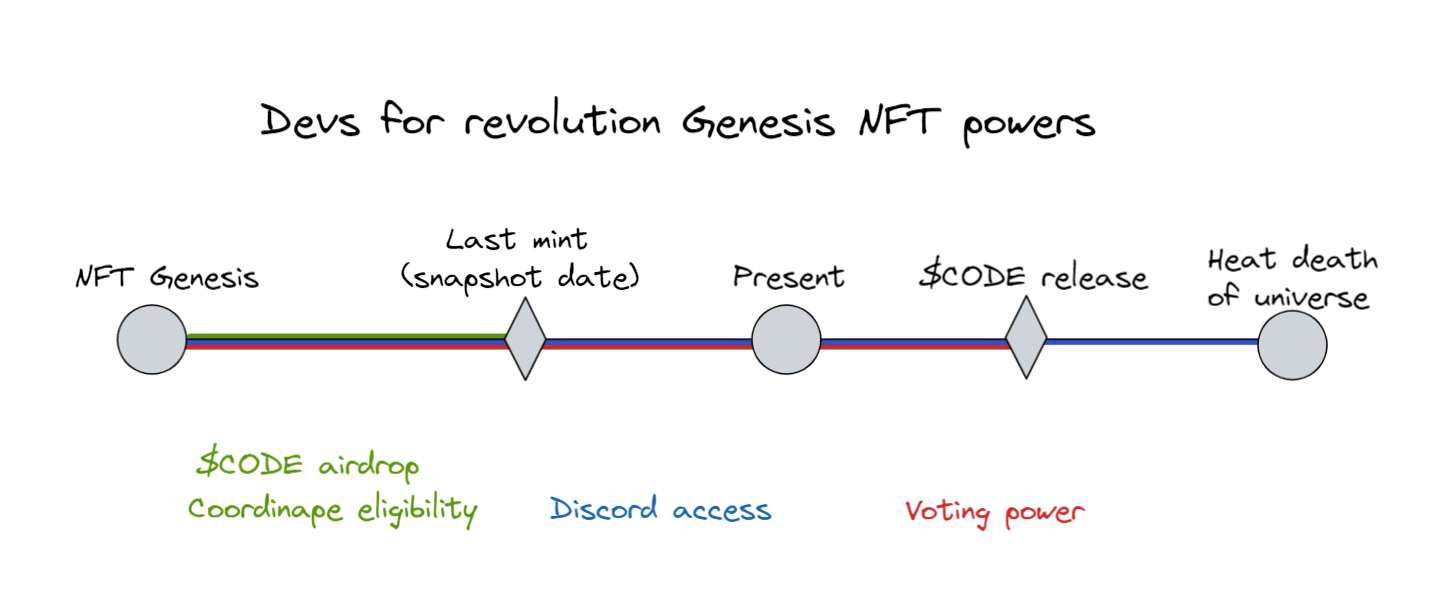
Early 2026 data indicates a clear divergence in the sector. While generic profile picture (PFP) collections face significant price pressure, governance-focused NFTs are stabilizing. These assets are no longer valued solely on rarity or hype but on their ability to grant access to specific services, voting rights in decentralized autonomous organizations (DAOs), or identity verification. As one industry analysis notes, "speculation-driven NFTs are fading," with users now demanding "real utility access, ownership rights, in-game value, dividends, or identity verification."
Market sentiment reflects this transition. Prediction markets have shifted significantly, with the probability of the broader NFT market reaching a $10 billion valuation by 2026 rising from 35% to 65%. This optimism is not based on blind speculation but on the maturation of the ecosystem. Projects like CryptoPunks and Bored Ape Yacht Club are maintaining value through deep liquidity and brand ecosystems, while newer entrants like Pudgy Penguins are driving growth through real-world utility, such as toy licensing.
This shift toward governance and compliance is reshaping the regulatory landscape. Regulators are increasingly viewing these assets not as speculative securities but as functional tools for community governance and digital identity. This distinction is critical for the long-term viability of the sector, as it provides a clearer path to institutional adoption and legal clarity. The market is no longer asking if NFTs will survive, but how their utility will be defined and regulated.
DAO policy making mechanisms
Governance NFTs have shifted from speculative assets to functional keys for on-chain voting. In 2026, this transition is driven by the need for regulatory compliance and identity verification, moving beyond the anonymous, token-weighted voting that characterized earlier DAO experiments. Traditional DAOs often relied on simple ERC-20 token balances, which allowed whale dominance and lacked real-world accountability. Governance NFTs introduce a layer of identity and compliance, ensuring that policy-making aligns with emerging legal frameworks.
The structural difference lies in how voting power is assigned and verified. While traditional models equate wealth with voice, governance NFTs can encode Know Your Customer (KYC) status, residency, or institutional accreditation directly into the token metadata. This allows DAOs to implement weighted voting that satisfies regulatory requirements without sacrificing decentralization. For example, Algorand’s governance NFTs by Pera demonstrate how non-transferable or semi-transferable tokens can manage liquidity while maintaining clear governance rights, a model increasingly adopted by regulated DeFi protocols.
To understand the divergence, consider the following comparison of traditional DAO voting versus emerging governance NFT models:
| Feature | Traditional DAO Voting | Governance NFT Model | Regulatory Fit |
|---|---|---|---|
| Identity Verification | Anonymous or pseudonymous | Embedded KYC/AML data | High |
| Voting Power | Token balance (one token, one vote) | Weighted by compliance status | Medium |
| Compliance | Minimal, often legally ambiguous | Enforced via token constraints | High |
| Transferability | Fully liquid and transferable | Restricted or non-transferable | High |
This shift is critical for institutional adoption. As speculation fades, users expect real utility access, ownership rights, and identity verification from NFTs. Governance NFTs provide a structured mechanism for policy making that can withstand regulatory scrutiny, making them essential for the next phase of decentralized governance.
On-chain governance trends 2026
On-chain governance is shifting from speculative collection mechanics to structured regulatory frameworks. In 2026, the primary driver of value for governance NFTs is utility. Successful projects no longer rely on brand hype alone; they anchor their tokenomics to verifiable community participation and credible team execution. This shift aligns with broader market demands for transparency and compliance, as noted by industry analysts tracking the top NFT projects to watch in 2026.
A significant trend is the integration of real-world assets (RWA) into governance structures. NFTs are increasingly tethered to physical assets, allowing holders to vote on the management, leasing, or sale of underlying property or commodities. This convergence bridges the gap between digital ownership and tangible economic activity, creating a more robust ecosystem for institutional investors seeking regulated exposure to blockchain-based governance.
Market sentiment reflects this maturation. Prediction markets have significantly increased the likelihood of the NFT sector reaching a $10 billion valuation by 2026, up from previous estimates. This growth is not driven by art speculation but by the functional utility of governance tokens in managing decentralized autonomous organizations (DAOs) and RWA portfolios.
Digital voting rights and compliance
Governance NFTs are undergoing a fundamental shift in 2026, moving away from speculative trading toward regulated utility. The market is increasingly focused on real-world application, where digital tokens serve as verifiable keys for voting rights, identity verification, and asset ownership. This transition is not merely aesthetic; it is a legal necessity. As regulators tighten oversight of decentralized finance, governance structures must prove they comply with existing securities and financial laws to survive.
The primary challenge lies in aligning on-chain voting mechanisms with off-chain legal standards. Governance NFTs that function as equity proxies or dividend rights are subject to strict scrutiny. Platforms must implement robust Know Your Customer (KYC) and Anti-Money Laundering (AML) protocols at the token level to ensure that voting power is not distributed among anonymous, sanctioned, or illicit actors. Without these safeguards, the entire governance model risks being classified as an unregistered security, leading to severe legal penalties.
To mitigate these risks, forward-thinking platforms are adopting modular compliance layers. These systems allow for dynamic voting rights that can be suspended or adjusted based on the voter's legal status. This approach ensures that governance remains inclusive for legitimate participants while excluding those who pose regulatory liabilities. The goal is to create a transparent, auditable voting record that satisfies both blockchain enthusiasts and legal authorities.
How to Evaluate Governance NFT Investments
Assessing governance NFTs requires moving beyond hype to examine structural integrity. In 2026, successful investments rely on four pillars: utility, community strength, team credibility, and regulatory compliance. Use this framework to filter projects before committing capital.
Does the token grant actual voting power or revenue share? Check the smart contract to ensure governance rights are immutable and not controlled by a central admin wallet. Utility must be verifiable on-chain, not just promised in a whitepaper.
Look for active, organic participation in governance proposals. A healthy project shows consistent voter turnout and diverse proposal origins. Avoid projects with bot-like voting patterns or low engagement, which signal a hollow community.

Investigate the founding team’s track record in web3 and legal compliance. Anonymous teams carry higher risk. Prioritize projects with public contributors who have a history of transparent governance and successful protocol launches.
Ensure the project complies with evolving securities laws, particularly in the US and EU. Projects that integrate with regulated entities or obtain clear legal opinions reduce the risk of future enforcement actions that could freeze assets.
| Factor | Strong Signal | Weak Signal |
|---|---|---|
| Utility | Immutable voting/revenue rights | Vague roadmap access |
| Community | High voter turnout, diverse proposals | Bot activity, low engagement |
| Team | Public, verified web3 history | Anonymous, no prior track record |
| Compliance | Legal opinions, regulated partnerships | No legal clarity, offshore anonymity |
Common questions about governance NFTs
Are NFTs going to make a comeback in 2026? Market sentiment is shifting. Bettors on Polymarket have increased the likelihood that the NFT market will reach a $10 billion valuation by 2026 from 35% to 65%, signaling renewed confidence in digital asset utility and governance structures.
What is the best NFT to invest in 2026? Investors are prioritizing projects with established ecosystems. Top contenders include CryptoPunks for liquidity, Bored Ape Yacht Club for brand strength, and Pudgy Penguins, which offers real-world utility through toy licensing. For governance-focused assets, Algorand’s Pera ecosystem remains a key example of structured on-chain voting.
What is the projected value of the NFT market by 2026? Driven by mainstream acceptance and technological advancements, the market is expected to surpass $35 billion by 2026. This growth is fueled by increased brand integrations and the maturation of decentralized governance models.
No comments yet. Be the first to share your thoughts!