
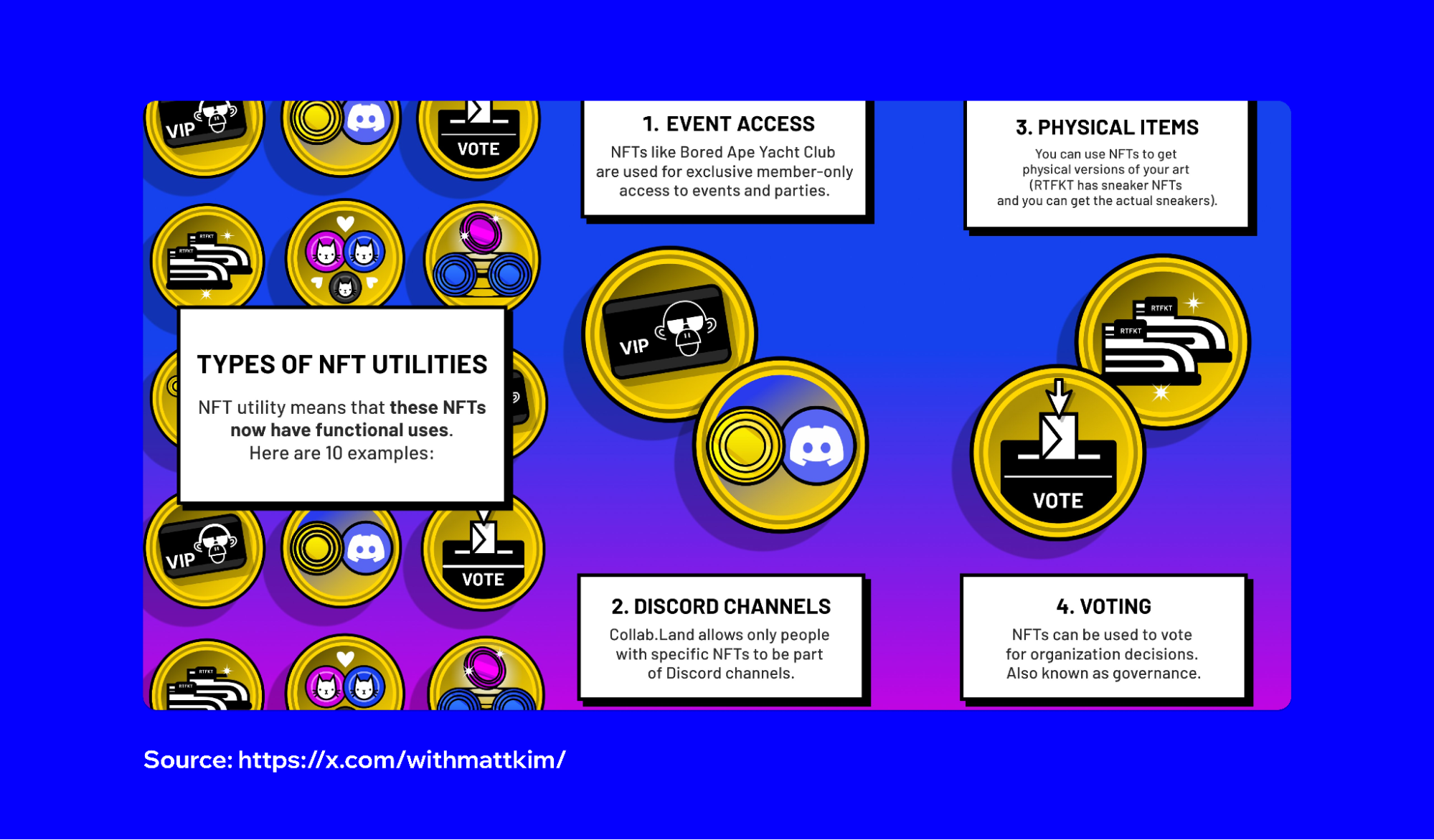
Why governance NFTs matter in 2026
The narrative surrounding non-fungible tokens has shifted decisively. What began as a market driven by speculative art and digital collectibles has matured into a functional layer of on-chain infrastructure. In 2026, the focus is no longer on rarity or aesthetic appeal, but on utility, institutional adoption, and regulatory compliance. Governance NFTs now serve as verifiable credentials for participation in decentralized autonomous organizations (DAOs), replacing opaque membership lists with transparent, immutable on-chain records.
This transition addresses a critical gap in traditional corporate governance: the lack of transparent, auditable voting mechanisms. By embedding voting rights and compliance data directly into the token, organizations can ensure that only eligible stakeholders participate in decision-making. This structure reduces the risk of fraud and simplifies the audit trail for regulators who require clear evidence of shareholder or member engagement.
The move toward infrastructure also aligns with broader legal trends. As jurisdictions like the European Union implement frameworks such as MiCA, the demand for compliant digital assets has surged. Governance NFTs provide a standardized way to handle identity verification, voting eligibility, and record-keeping, making them indispensable for any organization seeking to operate within a regulated environment.
Rather than viewing these tokens as mere collectibles, legal and compliance professionals should recognize them as digital keys to structured participation. They enable organizations to scale governance without sacrificing transparency or accountability, marking a significant step toward the institutionalization of decentralized systems.
Market valuation and institutional adoption
The non-fungible token sector is undergoing a structural shift from speculative assets to regulated, utility-driven instruments. According to Research and Markets, the global non-fungible token market was valued at USD 86.23 billion in 2026 and is projected to reach USD 347.46 billion by 2030, expanding at a compound annual growth rate (CAGR) of 41.7% Research and Markets, 2026. This growth is largely driven by the integration of on-chain governance tools and compliance frameworks into enterprise workflows.
Institutional adoption is the primary catalyst for this expansion. Early 2026 industry analysis indicates a decisive move away from speculative hype toward sustainable utility LBank, 2026. Legal and regulatory bodies are increasingly recognizing NFTs not as collectibles, but as verifiable records of ownership and voting rights. This recognition has lowered the barrier for traditional financial institutions to integrate NFT-based governance into their internal compliance structures.
The technical infrastructure supporting this shift relies on standardized protocols that ensure data integrity and auditability. Governance NFTs now serve as the backbone for decentralized autonomous organizations (DAOs) and corporate shareholder meetings, providing a transparent, immutable ledger of participation. As regulatory clarity improves, the volume of institutional capital flowing into compliant NFT infrastructure is expected to accelerate, solidifying the sector's position within the broader digital asset economy.
Governance Models: Transferable vs. Static Rights
Governance NFTs generally fall into two structural categories: those with transferable voting rights and those with static membership. The distinction determines how influence shifts within a protocol and how regulators view the asset.
Transferable models, such as those used by Pera, treat governance tokens as liquid assets. The Pera Governance NFT allows owners to sell their voting power on secondary markets, effectively monetizing influence. This creates a market for votes but raises compliance concerns regarding securities laws and voter accountability.
In contrast, static membership models tie voting rights to a specific wallet or identity. These rights cannot be sold or transferred. This structure prioritizes long-term alignment and regulatory clarity, as the voter remains permanently linked to the governance action. It prevents the speculative trading of voting power, which is a key differentiator for compliant platforms.

The table below compares the technical and regulatory implications of these two approaches.
| Feature | Transferable (e.g., Pera) | Static Membership |
|---|---|---|
| Voting Liquidity | High – votes trade on secondary markets | None – rights are locked to the holder |
| Regulatory Risk | High – potential securities classification | Lower – viewed as utility or membership |
| Voter Alignment | Low – buyers may not share protocol values | High – holders have long-term stakes |
| Price Volatility | High – reflects market speculation | Low – reflects protocol health only |
Regulatory compliance and legal risks
Governance NFTs are no longer purely speculative collectibles; they increasingly function as digital tokens that confer voting rights, revenue sharing, or other economic benefits. This shift brings them squarely under the scrutiny of securities regulators. When a non-fungible token grants holders a say in protocol development or a share of treasury funds, it often meets the criteria of an investment contract.
The Howey Test remains the primary lens through which US regulators evaluate these assets. If purchasers expect profits derived from the efforts of others—such as a core development team or a DAO treasury manager—the token may be classified as a security. This classification triggers strict registration requirements and disclosure obligations. Failure to comply can result in significant penalties, delisting from exchanges, or forced redemption of tokens.
Beyond securities law, anti-money laundering (AML) and know-your-customer (KYC) regulations pose substantial operational challenges. Traditional financial institutions require robust identity verification before engaging with digital assets. Governance NFTs that allow anonymous participation create compliance gaps that banks and regulated entities cannot ignore. Integrating KYC checks into the minting or transfer process is becoming a standard requirement for institutional adoption.
The legal landscape is evolving rapidly. Initiatives like the Future of Money, Governance, & the Law conference in Washington D.C. highlight the growing intersection of blockchain technology and statutory law. Projects must proactively engage with legal counsel to navigate these complexities. Ignoring regulatory frameworks risks not only legal action but also the loss of credibility among institutional partners who require strict adherence to compliance standards.
Leading governance projects
Governance NFTs have evolved from speculative assets into functional compliance instruments. Several protocols now demonstrate how on-chain voting rights can be structured with legal clarity.
MakerDAO
MakerDAO remains the largest example of decentralized governance. Its MKR token holders vote on risk parameters and stability fees. The protocol integrates off-chain signaling with on-chain execution, providing a template for regulatory transparency in DeFi.
Compound
Compound’s COMP token established the standard for liquidity mining and governance. Holders propose and vote on protocol upgrades. The project’s focus on auditable voting records makes it a reference point for compliance frameworks.
Pera Wallet
Pera Wallet implements Governor NFTs that are transferable and tradeable on secondary markets. This structure allows governance rights to be bought or sold before a governance period ends. While efficient, this liquidity requires careful monitoring to prevent regulatory arbitrage.
Frequently asked questions about governance NFTs
Is NFT still relevant in 2026?
NFTs have shifted from speculative digital art to functional on-chain infrastructure. In 2026, the market emphasizes real-world utility, institutional adoption, and regulatory compliance, moving away from pure hype toward sustainable applications like governance tokens and identity verification [src-serp-1].
What are the most popular NFT projects in 2026?
Leading projects now focus on verifiable credentials and decentralized governance. While specific collections vary, the most active sectors include protocol-based voting rights, institutional compliance certificates, and enterprise-grade digital asset management tools that align with current legal frameworks.
What are NFTs worth in 2026?
Valuation is no longer driven by scarcity alone but by embedded utility and legal enforceability. Governance NFTs trade based on the voting power they confer within specific protocols, with prices reflecting the underlying asset's cash flow or compliance value rather than speculative demand.
Who paid 69 million for NFT?
This figure references historical high-value transactions that predate the current compliance-focused era. Current market analysis prioritizes transaction volume in regulated environments and institutional block trades over single-artwork sales, which now represent a smaller fraction of total market activity.
No comments yet. Be the first to share your thoughts!