
The shift from speculation to utility
By 2026, the governance NFT sector has completed its transition from a speculative asset class to a functional infrastructure layer for real-world asset (RWA) ownership. The market no longer values novelty; it demands regulatory compliance and verifiable legal utility. This structural shift is evident in the decline of pure collectibles and the rise of tokenized corporate voting rights and institutional-grade ownership records.
The primary driver of this change is the convergence of blockchain technology with traditional corporate law. Governance NFTs now serve as cryptographic proof of shareholding or voting power, replacing paper certificates and centralised registries. This transition has attracted institutional capital that previously avoided digital assets due to legal uncertainty. The focus has moved from price appreciation to the reliability of the underlying legal framework.
Regulatory bodies in major jurisdictions have begun to clarify the status of these digital instruments. Compliance is no longer an afterthought but a prerequisite for market participation. Projects that fail to align with existing securities laws or anti-money laundering (AML) standards are being phased out. The surviving governance NFTs are those that embed legal enforceability into their smart contracts, ensuring that digital ownership translates directly to real-world rights.
Corporate voting rights on-chain
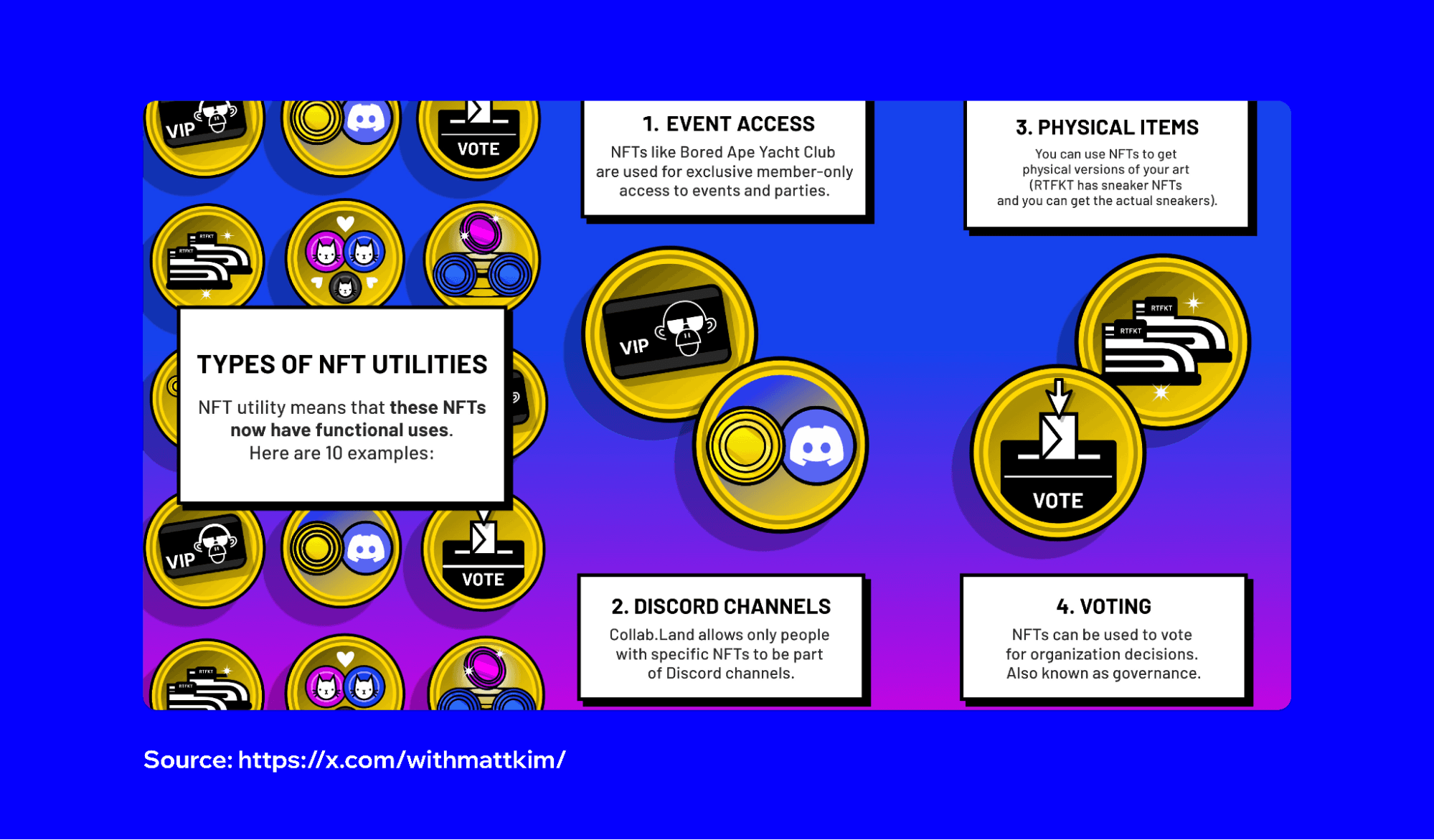
Corporate governance is undergoing a structural shift as entities move from paper-based proxy systems to on-chain mechanisms. In this model, non-fungible tokens (NFTs) serve as cryptographic proxies for shareholder voting rights. Unlike traditional methods where voting power is often diluted through layers of intermediaries, on-chain governance allows for direct, verifiable participation. The NFT acts as a unique digital credential, ensuring that each vote corresponds to a specific, auditable ownership stake in the issuing entity.
The transition to on-chain voting addresses long-standing inefficiencies in shareholder meetings. Traditional proxy voting is opaque, slow, and costly, often relying on third-party agents to tally votes days or weeks after the event. On-chain governance, by contrast, executes votes in real-time. Smart contracts automatically enforce quorum requirements and proposal standards, reducing the risk of human error or manipulation. This immediacy enhances shareholder engagement, allowing investors to participate in high-stakes decisions without the logistical burden of physical attendance or complex mail-in ballots.
Regulatory compliance remains the primary constraint on widespread adoption. Jurisdictions such as Delaware have updated their corporate codes to recognize blockchain-based records, but the legal status of on-chain votes varies globally. Companies must ensure that their tokenized voting structures comply with securities laws, particularly regarding identity verification and anti-money laundering (AML) protocols. The integrity of the system depends on robust off-chain identity links, often verified through zero-knowledge proofs or regulated digital identity providers, to maintain the link between the NFT holder and their legal personhood.
| Feature | Traditional Proxy Voting | On-Chain NFT Voting |
|---|---|---|
| Transparency | Low; vote tallies are opaque until certified | High; all votes are publicly verifiable on-chain |
| Speed | Days to weeks for result certification | Seconds to minutes for real-time tallying |
| Cost | High; intermediaries, printing, and postage | Low; automated smart contract execution |
| Identity Verification | Manual; relies on broker-dealer records | Automated; linked to wallet address via KYC/AML |
The market for real-world asset (RWA) tokenization is expanding rapidly, reflecting investor interest in digitized corporate securities. As legal frameworks mature, the efficiency gains of on-chain governance are likely to drive further adoption among public companies and private equity firms alike.
Regulatory compliance and legal risk
Use this section to make the Governance NFT decision easier to compare in real life, not just on paper. Start with the reader's actual constraint, then separate must-have requirements from details that are merely nice to have. A practical choice should survive normal use, maintenance, timing, and budget. If a recommendation only works in an ideal situation, call that out plainly and give the reader a fallback path.
The simplest way to use this section is to write down the must-have criteria first, then compare each option against those criteria before weighing nice-to-have features.
Key governance models in 2026
Use this section to make the Governance NFT decision easier to compare in real life, not just on paper. Start with the reader's actual constraint, then separate must-have requirements from details that are merely nice to have. A practical choice should survive normal use, maintenance, timing, and budget. If a recommendation only works in an ideal situation, call that out plainly and give the reader a fallback path.
The simplest way to use this section is to write down the must-have criteria first, then compare each option against those criteria before weighing nice-to-have features.
Future outlook for institutional adoption
Use this section to make the Governance NFT decision easier to compare in real life, not just on paper. Start with the reader's actual constraint, then separate must-have requirements from details that are merely nice to have. A practical choice should survive normal use, maintenance, timing, and budget. If a recommendation only works in an ideal situation, call that out plainly and give the reader a fallback path.
The simplest way to use this section is to write down the must-have criteria first, then compare each option against those criteria before weighing nice-to-have features.
No comments yet. Be the first to share your thoughts!