
Defining AI governance NFTs in 2026
In 2026, the term "AI governance NFT" refers to a specific class of non-fungible tokens that encode the identity, reputation, or voting rights of autonomous AI agents. Unlike standard utility tokens or digital art, these NFTs serve as the primary legal and technical interface for machine-to-machine interaction and regulatory compliance.
This distinction is critical for legal analysis. Traditional NFTs represent ownership of a unique asset. In contrast, governance NFTs represent the agency of a digital entity. Academic discussions on Web3 reputation systems describe these tokens as verifiable records of an agent’s contribution and standing within a network [1]. This transforms the NFT from a passive collectible into an active participant in automated decision-making.
The legal implications of this shift are substantial. By minting AI agents as NFTs, developers create a persistent, on-chain identity that can be tracked, audited, and held accountable. This structure supports the emerging need for transparency in AI operations, ensuring that autonomous decisions can be traced back to a specific, governed digital identity [2]. As the technology matures, these tokens will likely become the standard for regulating AI behavior in decentralized environments.
[1] AI Governance Via Web3 Reputation System. Stanford JBLP. https://stanford-jblp.pubpub.org/pub/aigov-via-web3 [2] AI Agents as NFTs: Autonomous Digital Workers for Compliance and ... LinkedIn. https://www.linkedin.com/posts/lauradcviana_ai-agents-are-no-longer-just-theory-they-activity-7377279291606167552-hMDl
Automated voting protocols and DAO transparency
The integration of AI-driven mechanisms into AI governance NFTs introduces a complex layer of opacity to decentralized autonomous organizations (DAOs). While these protocols aim to streamline decision-making, they often obscure the causal link between voter intent and final outcomes. This analysis examines how algorithmic augmentation affects the transparency of automated voting systems.
Reputation-based NFTs, such as those described in Stanford’s research on AI governance via Web3 reputation systems, assign voting weight based on historical contribution rather than simple token holdings [2]. However, when AI models interpret these reputation scores to predict or influence voting behavior, the resulting transparency diminishes. The algorithmic weighting may prioritize certain voices based on hidden criteria, making it difficult for external auditors to verify if the vote truly reflects the collective will of the participants.
The dynamic interconnections between AI tokens and NFTs complicate the audit trail. Academic analysis of DeFi and NFT interactions indicates that the hedging capabilities and diversification strategies employed by AI tokens can mask the true impact of governance decisions [1]. This interdependence means that a vote on one aspect of the DAO may have unforeseen ripple effects on AI-driven asset allocations, which are rarely visible in standard voting logs.
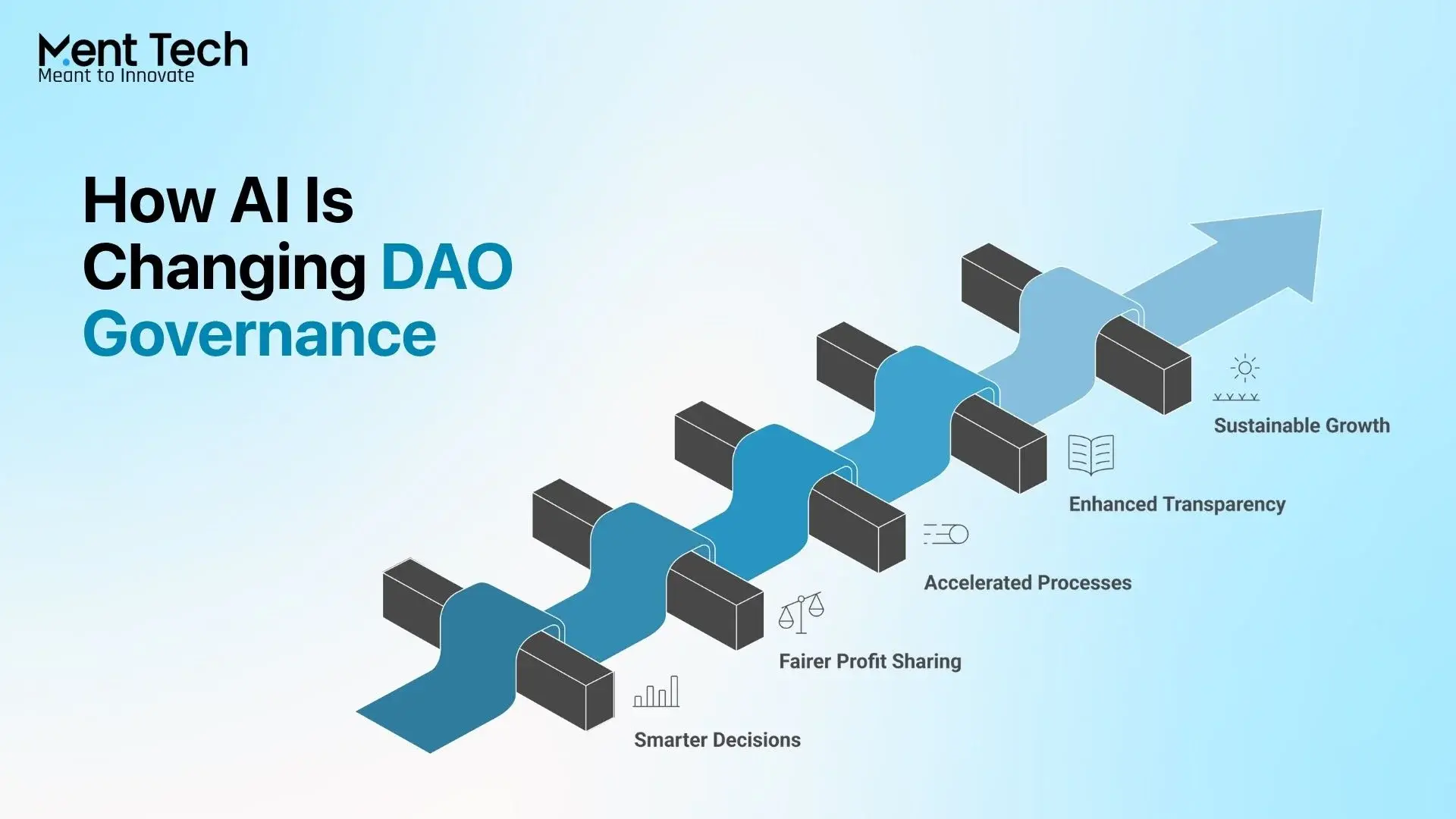
To maintain regulatory compliance and trust, DAOs must document the specific parameters of their AI voting protocols. Without clear disclosure of how AI models interact with AI governance NFTs, the purported transparency of decentralized voting becomes illusory. Stakeholders should demand full visibility into the algorithmic logic that processes their votes.
Intellectual property and ownership risks
The intersection of AI governance NFTs with intellectual property (IP) law creates significant uncertainty regarding ownership and liability. When an AI agent, represented by an NFT, generates creative works or proprietary data, determining the rightful owner becomes a complex legal exercise.
Current legal frameworks generally require human authorship for copyright protection. If an AI governance NFT controls an agent that produces output, the lack of direct human intervention may render the output unprotected. This creates a risk for entities relying on AI-generated assets for commercial advantage. Also, the immutable nature of blockchain means that once an IP dispute arises, the on-chain record cannot be altered, potentially locking in disputed ownership structures.
Organizations must establish clear internal policies defining the boundary between human oversight and autonomous AI action. Contracts governing the deployment of AI agents should explicitly address IP ownership, ensuring that any rights generated are assignable to a legal person. Failure to do so may result in orphaned intellectual property that cannot be licensed or enforced.
Regulatory scrutiny and cross-border compliance
As AI governance NFTs move from experimental pilots to operational infrastructure, they face intensifying regulatory attention. The convergence of artificial intelligence and blockchain technology has placed these assets under the microscope of national security and data privacy authorities. Scholars note that AI and blockchain technologies are among the most targeted for scrutiny by bodies such as the Committee on Foreign Investment in the United States (CFIUS), particularly when they intersect with critical data or autonomous decision-making systems [src-serp-6].
This regulatory pressure extends beyond national borders. Emerging data privacy laws, such as the EU’s AI Act and GDPR, impose strict requirements on how data is processed and stored. For Decentralized Autonomous Organizations (DAOs) utilizing AI governance NFTs to manage voting or asset allocation, these laws create complex compliance challenges. The decentralized nature of DAOs often conflicts with the accountability structures required by traditional legal frameworks, forcing creators to navigate a patchwork of jurisdictional rules.
Key compliance checkpoints
Organizations deploying AI governance NFTs should evaluate the following areas to mitigate regulatory risk:
-
**Jurisdictional Nexus:** Determine the legal domicile of the DAO and the location of node operators to identify applicable national security reviews, such as CFIUS in the US.
-
**Data Residency:** Ensure that any personal data processed by AI agents minted as NFTs complies with local storage requirements under laws like GDPR or CCPA.
-
**Agent Liability:** Clarify whether the AI agent, represented by the NFT, acts as a tool or an autonomous actor, and assign legal responsibility for its outputs to a human entity.
The intersection of these technologies is reshaping digital ownership, but it also demands rigorous legal analysis. The autonomy of AI agents minted as NFTs introduces novel questions about accountability that existing laws are only beginning to address [src-serp-1]. Stakeholders must prioritize transparency and legal alignment to ensure long-term viability in an increasingly regulated environment.
No comments yet. Be the first to share your thoughts!