
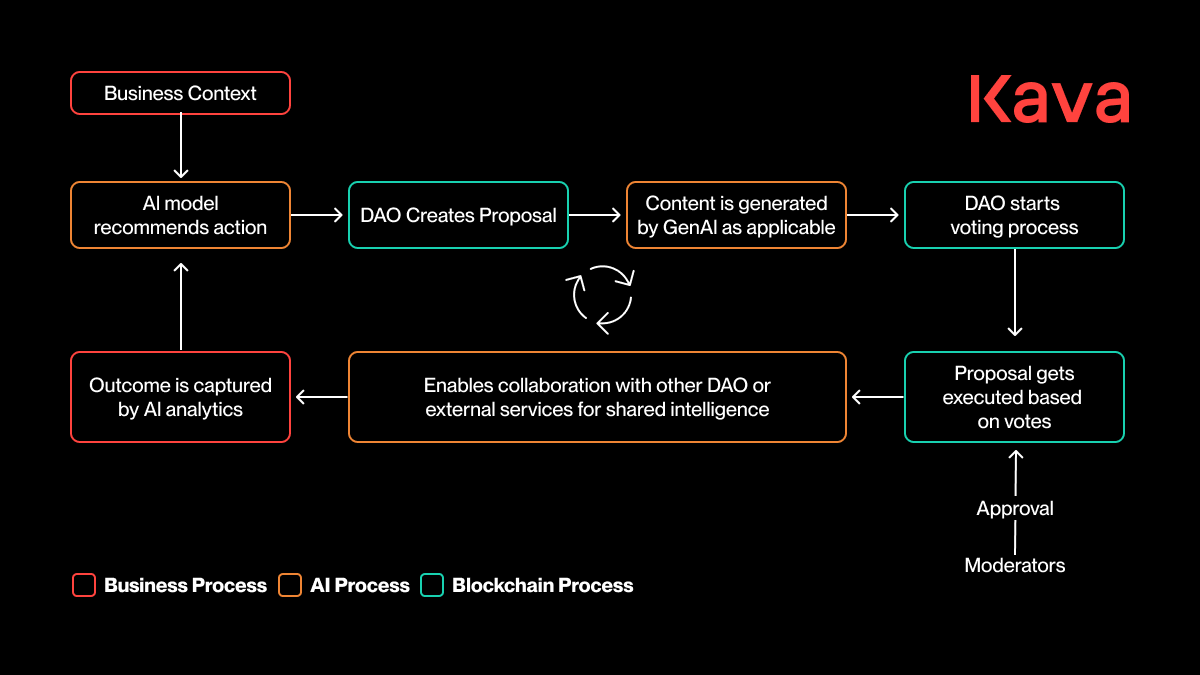
What is AI governance?
AI governance is the framework of policies, standards, and processes that ensure artificial intelligence systems operate safely, ethically, and in compliance with regulations. It is not merely a technical checklist for code validation; it is the organizational structure that defines how AI is developed, deployed, and monitored throughout its lifecycle.
Think of AI governance as the steering wheel and brakes of a high-performance vehicle. The algorithms provide the power and speed, but governance determines the direction and ensures the system stops when necessary. Without these guardrails, even the most advanced models can drift into areas of bias, security risk, or regulatory violation.
This framework bridges the gap between technical execution and business responsibility. It moves beyond simple compliance by establishing clear accountability for outcomes. Organizations use AI governance to align automated decisions with their core values and legal obligations, ensuring that efficiency does not come at the cost of trust or safety.
Effective governance requires cross-functional collaboration. It involves legal teams interpreting regulations, data scientists implementing ethical constraints, and business leaders defining acceptable risk levels. This holistic approach transforms AI from a black-box experiment into a reliable, auditable asset.
Compliance is about meeting specific legal requirements at a point in time. Governance is the ongoing practice of managing risk and ensuring ethical standards are met across the entire AI lifecycle.
By establishing these principles, companies can mitigate the risks associated with hallucination, data privacy breaches, and algorithmic bias. It provides a consistent method for evaluating AI performance against real-world expectations, creating a foundation for sustainable innovation.
AI governance is the set of processes, standards, and guardrails that ensure AI systems operate safely, ethically, and in compliance with regulations.
The three pillars of AI governance
Effective AI governance rests on three foundational pillars: responsible AI, compliance and regulation, and risk management. These elements work together to ensure AI systems are safe, lawful, and aligned with organizational goals. Think of them as the structural beams of a building; remove one, and the entire system becomes unstable.
The three pillars of AI governance are responsible AI, compliance and regulation, and risk management.
Responsible AI
Responsible AI focuses on the ethical implications of technology. It ensures that algorithms are fair, transparent, and accountable. This pillar addresses bias in training data and the potential for unintended harm in deployment. Organizations must establish clear principles that guide how AI models are built and tested before they reach users.
Compliance and Regulation
Compliance ensures that AI initiatives adhere to existing laws and industry standards. This includes data privacy regulations like GDPR and emerging AI-specific frameworks. Staying compliant requires continuous monitoring of legal changes and adapting internal policies accordingly. It acts as the legal boundary that prevents regulatory penalties and builds public trust.
Risk Management
Risk management identifies, assesses, and mitigates potential threats associated with AI systems. This includes technical risks like model drift, as well as operational risks such as security vulnerabilities. By proactively addressing these issues, organizations can prevent failures before they occur. It provides the safety net that allows innovation to proceed with confidence.
Key components of an AI framework
Use this section to make the AI Governance Explained decision easier to compare in real life, not just on paper. Start with the reader's actual constraint, then separate must-have requirements from details that are merely nice to have. A practical choice should survive normal use, maintenance, timing, and budget. If a recommendation only works in an ideal situation, call that out plainly and give the reader a fallback path.
The simplest way to use this section is to write down the must-have criteria first, then compare each option against those criteria before weighing nice-to-have features.
Why organizations need AI governance
AI governance is not just a compliance checkbox; it is a business imperative. As organizations move AI models from experimental sandboxes into high-stakes production environments, the stakes for failure rise exponentially. Without a structured framework to oversee these systems, companies expose themselves to significant operational, legal, and reputational risks.
The primary driver for governance is risk management. Unchecked AI can produce biased outcomes, hallucinate facts, or violate data privacy laws like GDPR or CCPA. Governance establishes the guardrails that ensure AI behaves predictably and ethically, preventing costly errors before they reach customers. It transforms AI from a black box into a transparent, auditable asset.
Beyond risk, governance builds trust. Customers and partners are increasingly skeptical of automated decisions. When an organization can demonstrate that its AI adheres to clear ethical principles and regulatory standards, it signals reliability and integrity. This trust is essential for long-term viability, as it encourages adoption and reduces resistance from stakeholders who fear losing control to opaque algorithms.
Ultimately, effective AI governance ensures that AI deployments contribute to, rather than detract from, organizational goals. It aligns technical capabilities with business strategy, ensuring that AI serves as a sustainable engine for growth rather than a liability.
Best practices for implementation
Establishing AI governance requires moving beyond theoretical frameworks to actionable operational steps. Leaders should anchor their programs in clear ethical guidelines that define acceptable use cases and risk tolerances. This foundational work ensures that compliance and risk management efforts are aligned with the organization’s broader values rather than treated as isolated regulatory checkboxes.
To implement these principles effectively, organizations must establish dedicated oversight structures. This often involves forming cross-functional governance committees that include legal, technical, and ethical experts. These groups review high-stakes AI deployments, ensuring that decisions are grounded in fairness and transparency before systems reach production.
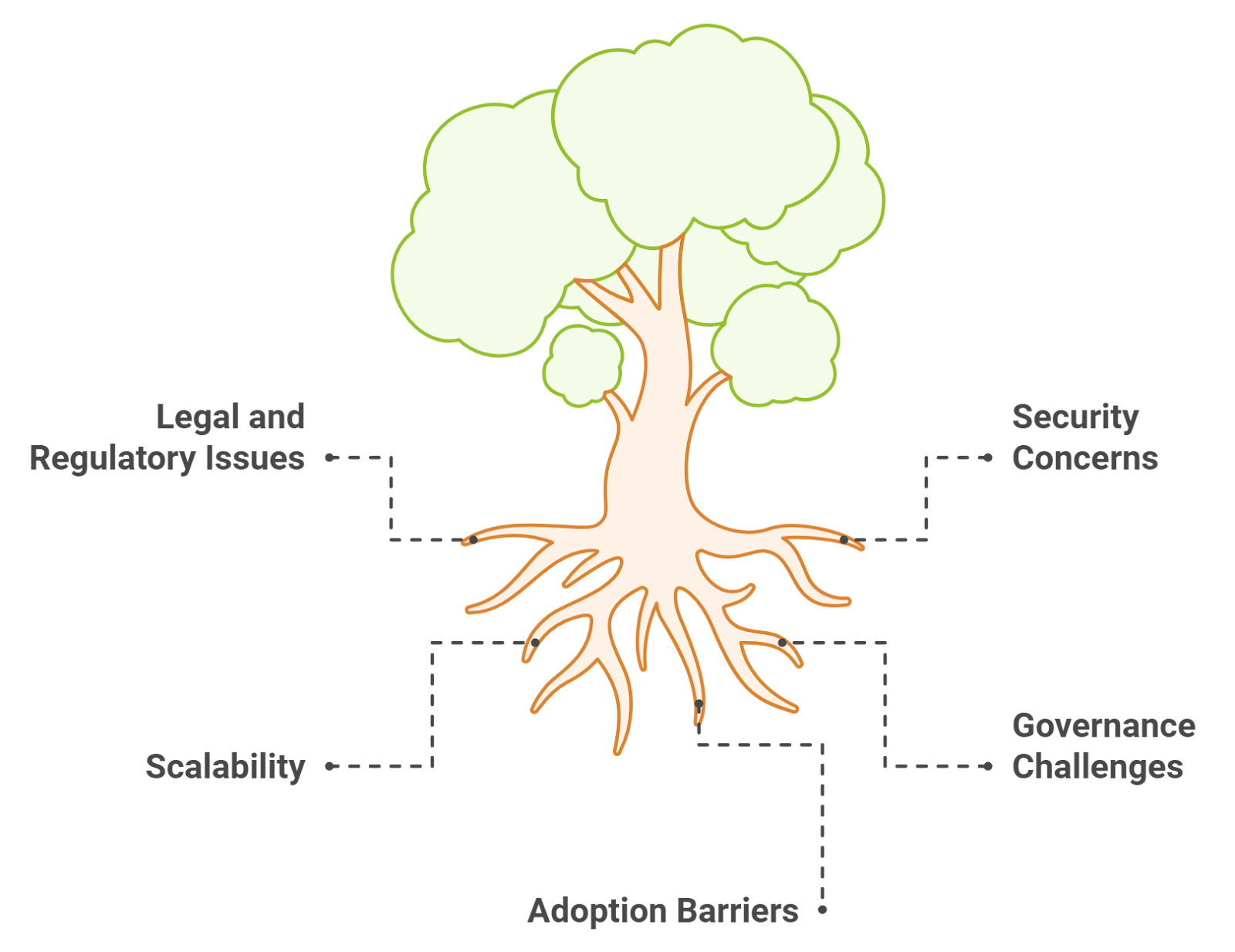
Establish clear principles for fairness, accountability, and transparency. Document these guidelines to serve as the primary reference for all AI development and deployment teams.

Create a governance committee or assign specific roles responsible for auditing AI systems. Regular reviews help identify bias, drift, or compliance gaps before they impact users.
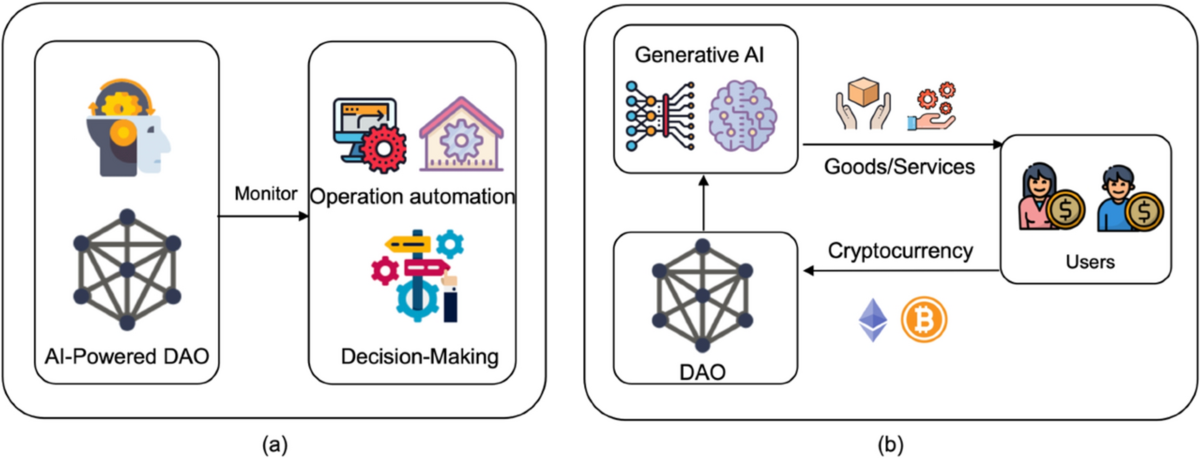
Embed risk assessment into the development lifecycle. Use tools to monitor model performance and data integrity continuously, ensuring that AI systems remain reliable and secure over time.
Effective governance is not a one-time project but an ongoing process of adaptation. As AI technologies evolve, so too must the policies that govern them. By focusing on these core practices, organizations can build trust with stakeholders and mitigate the risks associated with autonomous decision-making.
No comments yet. Be the first to share your thoughts!