What governance NFTs actually do
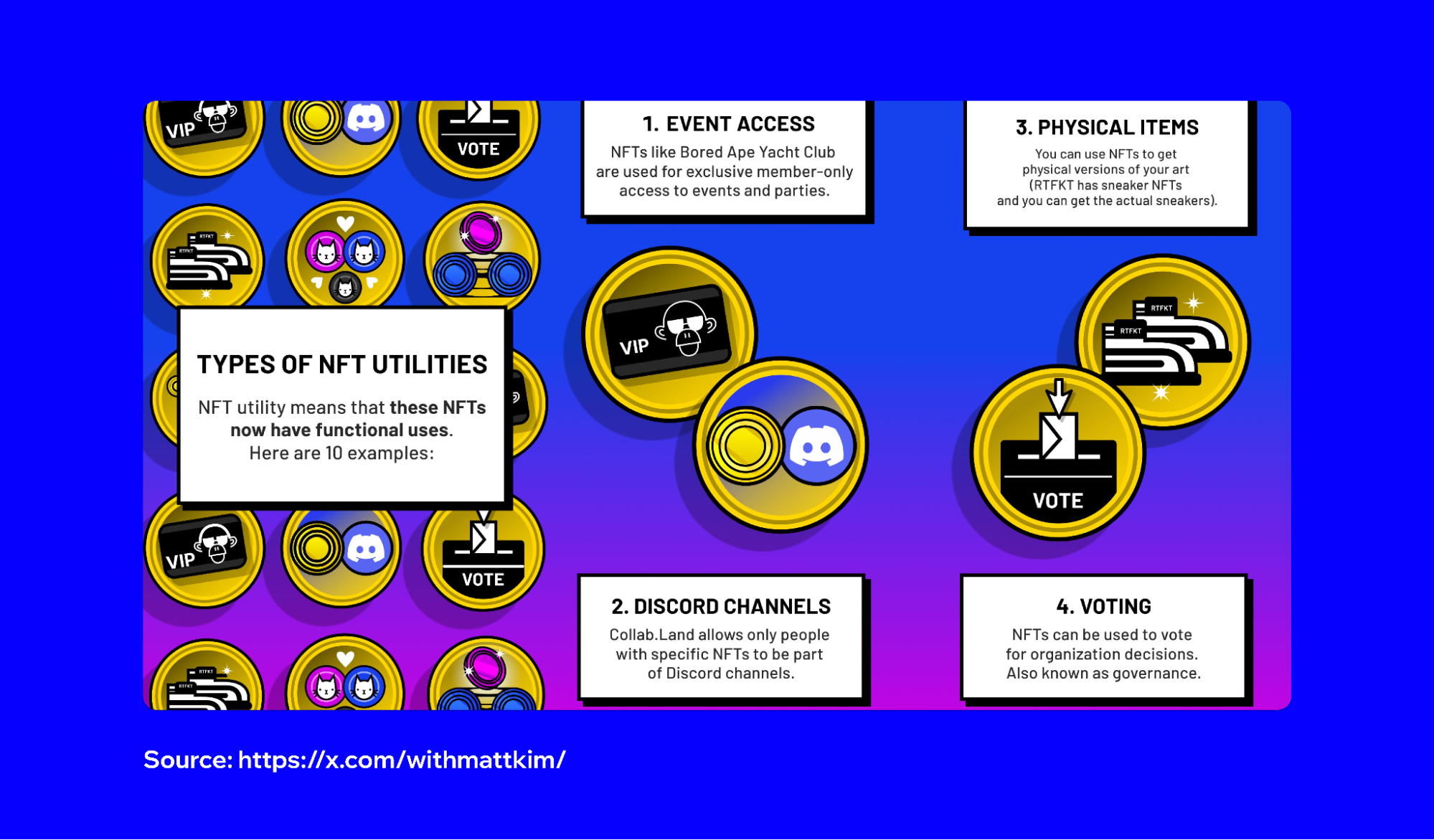
Governance NFTs are programmable voting rights anchored to a blockchain. Unlike simple membership tokens that might grant access to a community channel or a Discord server, these tokens function as on-chain keys. When you hold a governance NFT, you are holding the authority to cast votes on protocol upgrades, treasury spending, and parameter changes directly within the smart contract. This structure removes the need for third-party intermediaries or off-chain polling services, making the voting process transparent and immutable.
The technical baseline for this system relies on the token's ability to verify ownership at the moment a transaction is submitted. If a wallet holds the specific NFT contract address at the time of the snapshot, that wallet's voting power is registered. This mechanism ensures that influence is tied to actual asset ownership rather than just social reputation or fiat contributions. It transforms passive holding into active participation, where the value of the asset is partially derived from the decision-making power it confers.
While the underlying technology varies across different blockchains, the core function remains consistent: the NFT acts as a non-transferable or transferable credential for governance. Some protocols use these NFTs for vesting and distribution of governance tokens, ensuring that voting power is released over time rather than all at once. This adds a layer of stability to the network, preventing large, sudden shifts in control that could destabilize the protocol. As standards evolve, the distinction between a governance NFT and a standard ERC-721 or BEP-721 token becomes clearer, with the former embedding specific voting logic directly into its metadata or associated smart contracts.
Technical baseline and market context
The market for these assets is still maturing, with various standards emerging to handle different voting complexities. Some projects tie voting power to the length of time the NFT is held (time-weighted voting), while others allow for delegation, where the owner can assign their voting rights to another party without transferring the token itself. This flexibility allows for professional governance management, where experts can vote on behalf of smaller holders.
The performance of the underlying blockchain often influences the activity level of its governance NFTs. When the broader market is volatile, participation in governance can either surge as stakeholders try to protect their investments or dry up as attention shifts to trading. Understanding this correlation is essential for analyzing the health of a DAO. The technical infrastructure must support high-throughput voting events without congesting the network, a challenge that has led to the development of layer-2 solutions specifically designed for efficient on-chain governance.
Key protocols driving the market
Governance NFTs are moving beyond speculative collectibles into functional infrastructure. Protocols are now using these tokens to verify voting rights, manage token vesting, and reward long-term stakeholders. The following platforms illustrate how different blockchains are implementing these standards.
Algorand’s Pera Wallet
Algorand has integrated governance directly into its ecosystem through Pera Wallet. Users can claim limited-edition NFTs based on their staked ALGO holdings during specific governance periods. These NFTs act as proof of participation, with unique artworks tied to different tiers of involvement. This approach ties governance rights directly to economic commitment, creating a clear link between stake and voice.
GOVNFT on Ethereum
On Ethereum, GOVNFT focuses on the mechanics of token distribution. Rather than serving as a voting badge, these NFTs are designed for vesting and the controlled release of governance tokens. This standard allows projects to distribute voting power gradually, preventing sudden shifts in control. It is a utility-first approach that prioritizes stability over immediate community engagement.
Protocol Comparison
The table below compares how these two approaches handle governance NFTs.

| Protocol | Blockchain | Primary Function | Reward Structure |
|---|---|---|---|
| Pera Governance | Algorand | Voting Rights & Participation | Tiered NFTs based on staked ALGO |
| GOVNFT | Ethereum | Token Vesting & Distribution | Gradual release of governance tokens |
Market performance and token metrics
The financial landscape for governance NFTs is defined by its tight coupling with the underlying protocol tokens. Unlike speculative art collections, these assets derive value primarily from the utility they grant within a DAO, such as voting rights, staking rewards, or access to governance periods. Consequently, their price action mirrors the health and adoption of the associated blockchain network rather than isolated artistic merit.
For ecosystems like Algorand, governance NFTs serve as a tangible record of participation. During specific governance periods, eligible participants can claim these limited-edition assets, which act as proof of stake and community engagement. The market for these items is niche; liquidity is often thin, and prices fluctuate based on the perceived future value of the protocol's governance token rather than secondary market hype. When the underlying token performs well, the utility of holding the governance NFT increases, creating a baseline floor for its value.
To track this correlation, investors monitor the technical charts of the primary governance tokens. A strong upward trend in the protocol's token often signals increased interest in the ecosystem, which can drive demand for governance NFTs. Conversely, bearish trends in the token price usually suppress NFT valuation, as the utility becomes less economically attractive. This interdependence means that analyzing governance NFTs requires a dual focus: assessing the technical health of the DAO's token and understanding the specific utility tier of the NFT in question.
Evaluating governance NFT standards
The technical foundation of a DAO’s voting system rests on the token standard itself. In 2026, the choice between ERC-721 and ERC-1155 variants determines how securely and efficiently governance rights are distributed. These standards are not just code; they are the rules of engagement for on-chain democracy.
ERC-721 remains the baseline for unique voting power. Each token represents a distinct identity or voting weight, making it ideal for quadratic voting or reputation-based systems where every vote must be individually traceable. Its simplicity ensures broad compatibility across wallets and interfaces, reducing the friction for new participants.
For larger, more complex DAOs, ERC-1155 offers a streamlined alternative. This multi-token standard allows a single contract to manage multiple governance roles, from voting rights to delegation keys. By batching transactions, it reduces gas costs and simplifies the user experience. The trade-off is slightly more complex integration, but the efficiency gains are significant for high-volume voting periods.
Interoperability is the next hurdle. As DAOs collaborate across chains, governance NFTs must move seamlessly between ecosystems. Standards that support cross-chain messaging and atomic swaps are becoming essential. Without this, voting power becomes siloed, limiting the potential for coordinated action across the broader decentralized landscape.
No comments yet. Be the first to share your thoughts!