
Market shift toward utility
The speculative fervor that defined the early NFT era has largely dissipated, leaving behind a market structured around functional utility. According to The Block’s 2026 outlook, the NFT sector entered 2025 in a persistent downtrend that failed to reverse, with trading activity shrinking across multiple chains [1]. This contraction signals a structural pivot: the primary value driver for digital assets has shifted from price appreciation to verifiable rights and access.
Speculation-driven models are fading as user expectations evolve. Current market analysis indicates that participants now demand tangible benefits, such as governance rights, identity verification, or direct ownership of in-game value and dividends [2]. This transition aligns with broader legal and regulatory scrutiny, where projects lacking clear utility face heightened compliance risks. The surviving infrastructure is increasingly focused on governance NFTs, which serve as on-chain keys for DAO participation rather than mere collectibles.
This environment favors projects that can demonstrate consistent utility over viral marketing. As the market matures, the distinction between a speculative asset and a functional tool becomes the primary determinant of long-term viability. Governance mechanisms embedded in NFTs now provide the transparency and accountability required to sustain engagement in a post-hype landscape.
How On-Chain Voting Mechanisms Have Evolved
The initial wave of decentralized autonomous organizations (DAOs) relied on simple token-weighted voting, where governance power was directly proportional to the number of tokens held. This "one token, one vote" model created significant centralization risks, allowing whale investors to dominate decision-making processes and marginalizing smaller stakeholders. As the ecosystem matured, this limitation became a critical compliance and security concern, prompting a shift toward more sophisticated governance structures designed to improve transparency and distribute influence more equitably.
Governance NFTs have emerged as a primary tool for this evolution, decoupling voting rights from pure financial accumulation. Unlike fungible tokens, non-fungible governance tokens can encode complex permissions, delegation rules, and time-based constraints directly into their smart contracts. This allows for mechanisms such as quadratic voting, where the cost of votes increases exponentially, thereby reducing the disproportionate influence of large holders. Projects like Pera Wallet on the Algorand blockchain have implemented governance NFTs that facilitate more nuanced participation, allowing users to delegate voting power to trusted experts while retaining ownership of their governance assets.
Delegation remains a cornerstone of modern DAO transparency. By allowing token holders to delegate their voting rights to active participants, DAOs can ensure that decisions are made by informed stakeholders rather than inactive whales. This process is often managed through on-chain registries that update in real-time, providing an auditable trail of who is actually influencing protocol decisions. The integration of these mechanisms into governance NFTs creates a hybrid model where identity, reputation, and capital can be balanced more effectively than in traditional token-only systems.
| Feature | Traditional Token Voting | Governance NFT Mechanisms |
|---|---|---|
| Voting Power | Proportional to token balance | Can be decoupled; based on NFT traits or delegation |
| Influence Distribution | High risk of whale dominance | Mitigated via quadratic voting or delegation limits |
| Transparency | On-chain but opaque decision-making | Enhanced via immutable NFT metadata and delegation trails |
| Flexibility | Rigid "one token, one vote" | Supports complex rules, time-locks, and multi-sig integration |
The transition to these advanced mechanisms is not merely technical but also legal. As DAOs face increasing regulatory scrutiny, the ability to prove that governance decisions were made through a fair, transparent, and auditable process is becoming essential. Governance NFTs provide a structured framework for this accountability, ensuring that voting outcomes are not only recorded on the blockchain but are also defensible under emerging regulatory standards. This shift marks a move from speculative governance to institutional-grade transparency.
Security and compliance risks
Governance NFTs operate at the intersection of decentralized finance and legal liability, creating a high-stakes environment where code errors can result in irreversible financial loss. Unlike traditional equity structures, smart contracts governing these digital assets are immutable once deployed. A single vulnerability in the voting logic or token transfer mechanism can be exploited, draining treasury funds or invalidating governance outcomes. The stakes are amplified because these contracts often manage significant capital, making security audits not just a technical formality but a legal necessity for project sustainability.
The regulatory landscape for DAOs and their associated governance tokens is evolving rapidly, with authorities increasingly scrutinizing whether these tokens constitute unregistered securities. Projects must navigate a complex web of jurisdictional requirements, from the U.S. Securities and Exchange Commission’s enforcement actions to emerging frameworks in the European Union. Compliance is no longer optional; it requires proactive engagement with legal experts to ensure that voting rights and profit-sharing mechanisms do not trigger securities laws. Ignoring these nuances can lead to severe penalties, forced restructuring, or the shutdown of entire governance systems.
Recent developments, such as the discussions at the Stanford Blockchain Governance Summit 2026, highlight the growing academic and legal focus on these challenges. Experts are debating how to align on-chain voting mechanisms with existing corporate governance standards to provide legal clarity and investor protection. Meanwhile, industry reports indicate that institutional adoption is contingent on robust compliance infrastructure. Projects that fail to implement rigorous security protocols and transparent governance frameworks risk losing credibility and capital in an increasingly regulated market.
The path forward requires a delicate balance between decentralization and accountability. As the sector matures, the most successful governance NFT projects will be those that integrate legal compliance into their core architecture, ensuring that their voting systems are both secure and legally defensible. This shift is essential for long-term viability and broader institutional acceptance.
Leading Governance Projects
The shift from speculative trading to functional utility is most visible in how specific ecosystems have integrated governance NFTs into their core infrastructure. Rather than serving as mere collectibles, these tokens now act as verifiable credentials for on-chain participation, offering a transparent audit trail for community decision-making.
Pera Wallet (Algorand)
The Pera ecosystem has formalized its governance structure through a multi-period NFT model that ties voting rights to token holdings and activity. According to Pera Wallet’s official blog, the conclusion of Period 3 marked a transition toward more structured oversight, with new integrations like Hone designed to channel liquidity into governance-approved channels. This approach reduces the risk of voter apathy by aligning economic incentives with protocol health, ensuring that those who hold governance power are directly invested in the network’s stability.
Tensor (Solana)
On Solana, Tensor has leveraged platform-native NFTs to create a tiered governance system for its marketplace. These NFTs grant holders fee discounts and, more importantly, voting rights on platform upgrades and treasury allocation. As noted in industry analyses, this model allows the community to directly influence the mechanics of one of the leading NFT marketplaces. By embedding governance into the trading experience, Tensor ensures that policy changes reflect the needs of active participants rather than external developers.
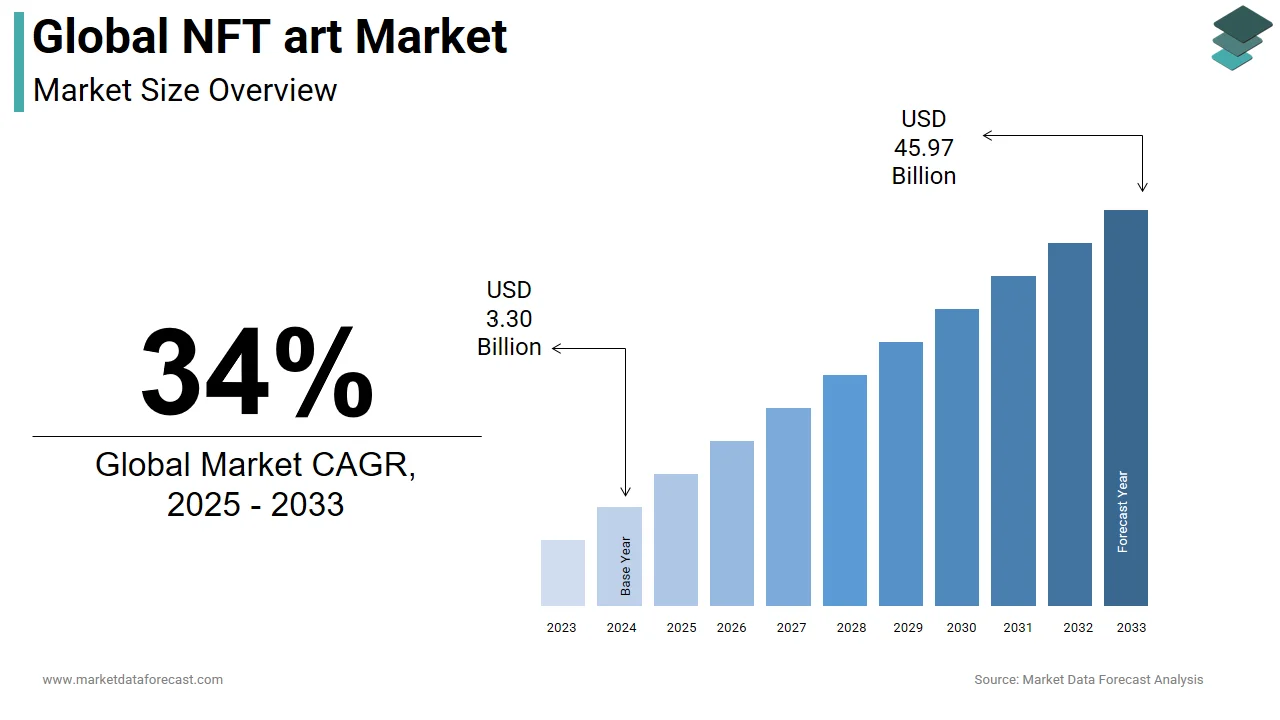
These examples illustrate a broader trend: governance NFTs are becoming less about branding and more about operational control. As regulatory scrutiny increases, projects that can demonstrate clear, on-chain voting records and transparent treasury management are better positioned to comply with emerging standards. The market activity for underlying tokens like ALGO and SOL continues to reflect this maturation, with price movements increasingly tied to governance milestones and ecosystem growth rather than pure speculation.
The Future of DAO Governance
As the market matures, governance NFTs are shifting from speculative assets to functional tools for on-chain voting and transparency. This transition demands robust security and clear utility, moving beyond the hype cycles of previous years. The trajectory is no longer about novelty but about establishing reliable, compliant frameworks for decentralized decision-making.
Security remains the primary hurdle. With high-stakes financial and operational decisions resting on these tokens, vulnerabilities in smart contracts or voting mechanisms can have irreversible consequences. Projects must prioritize rigorous auditing and transparent governance processes to maintain trust. Without these safeguards, the risk of exploitation undermines the very purpose of decentralized autonomy.
Regulatory clarity is also emerging as a critical factor. As governments worldwide scrutinize decentralized organizations, DAOs must navigate complex legal landscapes. Compliance with existing securities laws and data protection regulations will likely dictate which projects survive and thrive. The future belongs to those that can balance decentralization with accountability, ensuring their governance structures are both innovative and legally sound.
Common questions on governance NFTs
The landscape for governance NFTs has shifted from speculative trading to utility-driven participation. As trading activity shrank across major chains in 2025, projects like those on Algorand have focused on improving liquidity and governance efficiency rather than volume. Users now expect real utility access, ownership rights, or identity verification rather than pure speculation. The Block's 2026 NFT outlook notes that the market entered the year in a downtrend that has not reversed, signaling a maturation phase where only functional assets survive.
Regulatory clarity remains a primary concern for participants. The Stanford Blockchain Governance Summit 2026 highlighted the need for robust legal frameworks to support decentralized autonomous organizations (DAOs). Compliance is no longer optional; projects must demonstrate how on-chain voting mechanisms align with existing securities and corporate laws to avoid institutional risk.
No comments yet. Be the first to share your thoughts!