
Governance NFT 2026: From Hype to Accountability
The 2026 governance NFT landscape has shifted from speculative trading to functional utility. While the broader NFT market saw trading activity shrink and never fully reverse its 2025 downtrend, governance tokens and voting NFTs have carved out a distinct niche focused on accountability rather than flipping profits [1]. This transition marks a maturation of the space, where value is derived from actual decision-making power within Decentralized Autonomous Organizations (DAOs) rather than brand hype alone.
Today, the primary use case for these assets is on-chain voting. Governance NFTs serve as verifiable proof of membership and voting rights, allowing DAOs to implement quadratic voting, delegation, and multi-sig controls directly on the blockchain. This shift addresses the "dead wallet" problem of early ERC-20 token governance, where voting participation often hovered below 5% due to apathy or complexity. By tying governance rights to non-transferable or soulbound tokens, projects can ensure that votes reflect active community engagement rather than whale dominance.
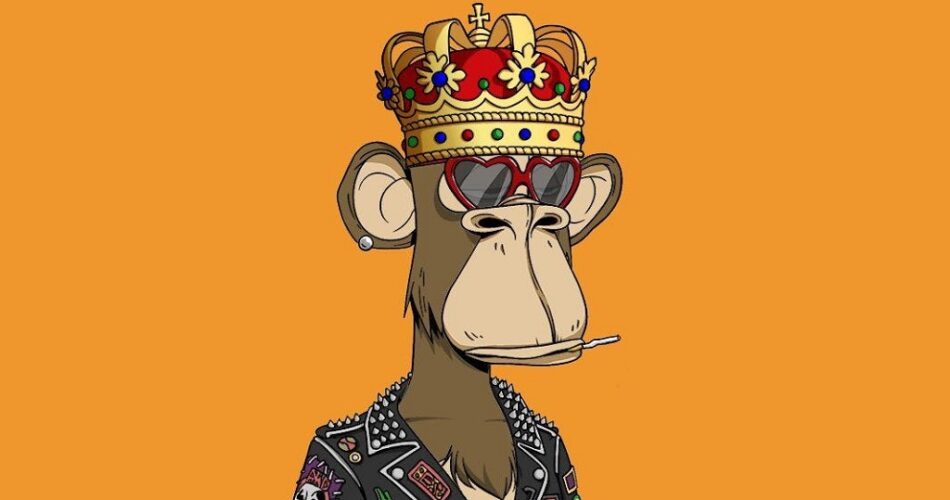
For investors and participants, the focus has narrowed to projects with real-world utility or strong ecosystem backing. Top performers in 2026 include CryptoPunks, which maintains the highest market cap with a $64K+ floor, and Bored Ape Yacht Club, known for its robust brand ecosystem [2]. These projects demonstrate that governance NFTs are not just digital collectibles but active tools for managing shared resources. The boom of 2021 is over, but the infrastructure for decentralized accountability is more robust than ever.
[1] https://www.theblock.co/post/382794/2026-nfts-gaming-outlook [2] https://zipmex.com/blog/nft-projects-2026/
Governance NFT 2026: Key Evaluation Criteria
Evaluating governance NFTs in 2026 requires looking past the floor price and examining the structural mechanics of the DAO. The market has shifted from speculative hype to functional utility, meaning the token’s value is tied directly to its influence and longevity. Before allocating capital, you must weigh the specific tradeoffs between voting power, liquidity, and administrative overhead.
Voting Power and Weighting
Not all governance tokens carry equal influence. Some protocols use one-token-one-vote models, while others implement quadratic voting or soulbound token (SBT) requirements to prevent whale dominance. High-weighting systems offer greater control over protocol changes but concentrate risk in the hands of a few large holders. Lower-weighting models promote decentralization but can lead to voter apathy or capture by small, coordinated groups.
Liquidity and Vesting Limits
Governance NFTs often come with vesting schedules or lock-up periods that restrict when you can sell. This illiquidity is a necessary tradeoff for long-term alignment but exposes you to market volatility without an exit strategy. Evaluate whether the token is liquid on major DEXs or if you are forced to hold through bear markets. High liquidity allows for easier position management, while locked tokens signal stronger commitment but reduce capital efficiency.
Administrative and Gas Costs
Participating in governance requires active engagement, which incurs transaction fees and time costs. Some DAOs have streamlined their voting interfaces, but others still require complex interactions across multiple chains. High gas fees can erode the value of small holdings, making participation economically unviable for minor stakeholders. Consider whether the DAO has implemented layer-2 solutions or account abstraction to reduce these friction points.
Risk of Protocol Obsolescence
The NFT market in 2026 is selective, with many legacy projects fading as attention shifts to new, more efficient protocols. A governance NFT’s value is only as strong as the DAO’s ability to adapt and generate revenue. If the underlying protocol fails to innovate or secure funding, the governance token may become worthless regardless of its voting power. Diversification across multiple DAOs can mitigate this single-point-of-failure risk.
| Factor | High Control Tradeoff | Low Control Tradeoff |
|---|---|---|
| Voting Power | Whale dominance, centralization risk | Voter apathy, slow decision-making |
| Liquidity | Easy exit, potential instability | Locked capital, exposure to volatility |
| Costs | High gas, complex interface | Low friction, minimal overhead |
| Longevity | Revenue-generating DAOs | Legacy projects with declining relevance |
How to Choose the Right Governance NFT Strategy
The NFT market in 2026 has shifted from speculative frenzy to structured utility. As trading activity shrinks and the market becomes more selective, success depends on aligning your approach with actual governance needs rather than hype. Whether you are participating in a DAO or evaluating an investment, use this framework to assess the current landscape.
Start by confirming the project uses transparent, on-chain voting. Avoid platforms relying on off-chain snapshots or centralized admin controls. Look for projects where every vote is recorded on the blockchain, ensuring accountability and immutability. This transparency is the baseline for any serious governance participation.
Evaluate whether the NFT grants actual voting power or access to revenue-sharing pools. Projects like Pudgy Penguins and Azuki demonstrate how utility extends beyond digital art into real-world licensing and brand ecosystems. Ensure the token has a clear path to value, such as staking rewards or governance rights over treasury funds.
Governance participation requires liquidity. Check the trading volume and floor price stability of the NFT collection. High volatility can undermine long-term governance influence. Prioritize established collections with consistent trading activity, as they offer more predictable environments for decision-making and value retention.

Examine the frequency and quality of community discussions. Active DAOs have regular proposals, high voter turnout, and transparent debate. Look for projects with active Discord or forum participation where members discuss governance outcomes. A silent community often indicates apathy or poor governance structures.

Define your objective: are you seeking influence, revenue, or brand association? Match your choice to the project’s strengths. For example, CryptoPunks offer brand prestige, while Bitcoin Ordinals provide native Bitcoin exposure. Avoid projects that promise returns without clear governance mechanisms or community backing.
This framework prioritizes practical checks over abstract advice. By focusing on on-chain transparency, utility, liquidity, and community activity, you can make informed decisions in a market that rewards knowledge over speculation.
Avoid the Weak Options
Use this section to make the decision easier to compare in real life, not just on paper. Start with the reader's actual constraint, then separate must-have requirements from details that are merely nice to have. A practical choice should survive normal use, maintenance, timing, and budget. If a recommendation only works in an ideal situation, call that out plainly and give the reader a fallback path.
The simplest way to use this section is to write down the must-have criteria first, then compare each option against those criteria before weighing nice-to-have features.
Governance NFT 2026: What to Check Next
The shift toward governance-focused NFTs addresses the core weakness of early DAOs: unclear accountability. By linking voting rights to specific, verifiable assets, organizations can ensure that decisions are made by committed stakeholders rather than transient speculators. This evolution is critical for the long-term viability of decentralized governance structures.
No comments yet. Be the first to share your thoughts!