
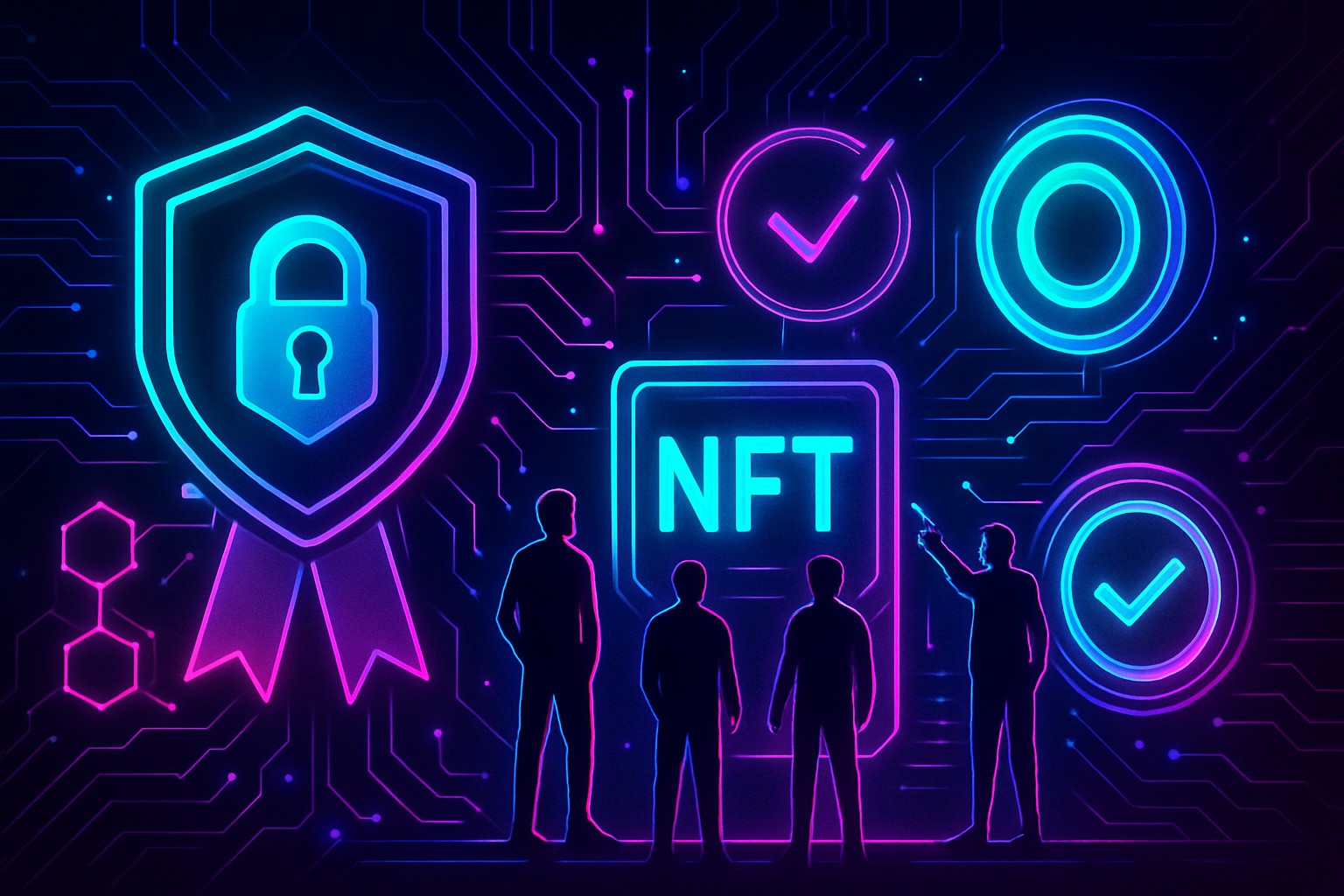
Decentralized Autonomous Organizations (DAOs) are fundamentally reshaping how communities govern themselves online. Amid this evolution, governance NFT badges have emerged as a powerful tool for enhancing both member participation and voting transparency. These unique, verifiable digital credentials are quickly becoming the gold standard for DAOs seeking to formalize rights, recognize contributions, and ensure that every vote is accountable and auditable.
Unique Identification and Verifiable Participation
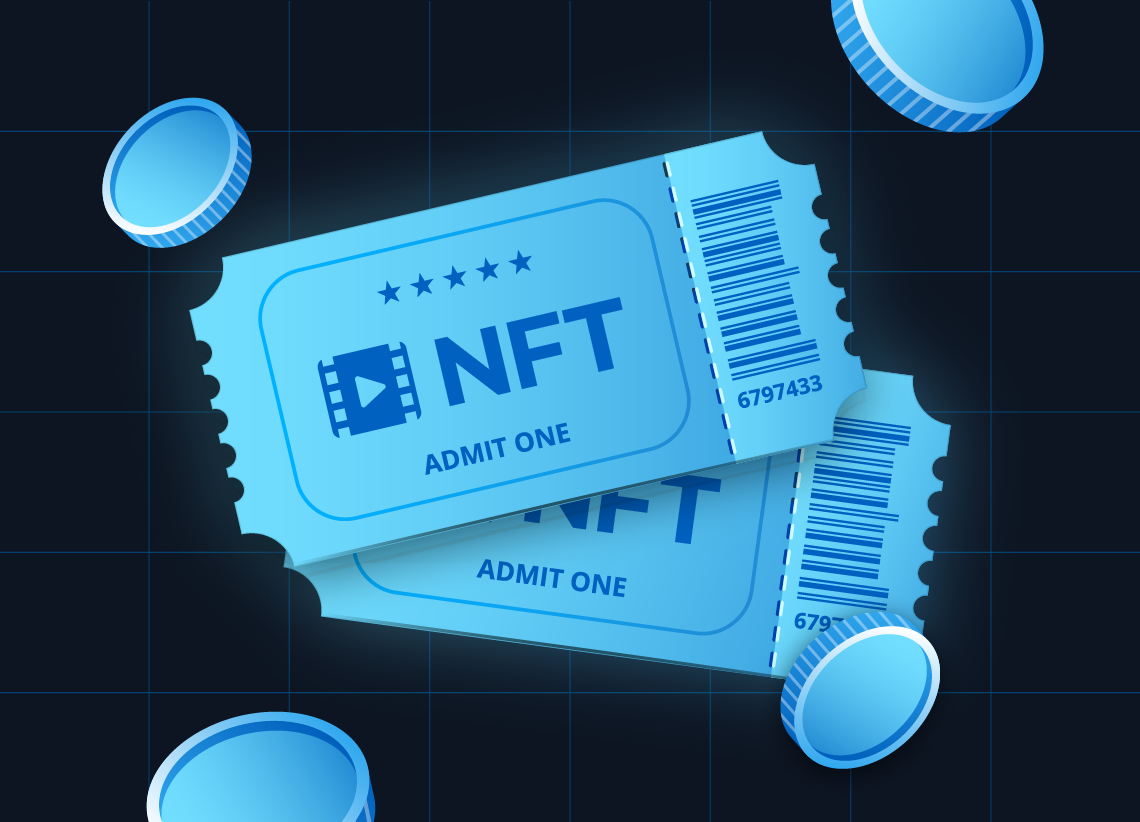
One of the most significant advantages of governance NFT badges is their ability to serve as immutable digital IDs for DAO members. Unlike traditional token-based systems that can be susceptible to duplicate accounts or Sybil attacks, NFT badges are inherently unique. Each badge is tied to a single blockchain address, making it nearly impossible for individuals to cast multiple votes or falsely claim participation.
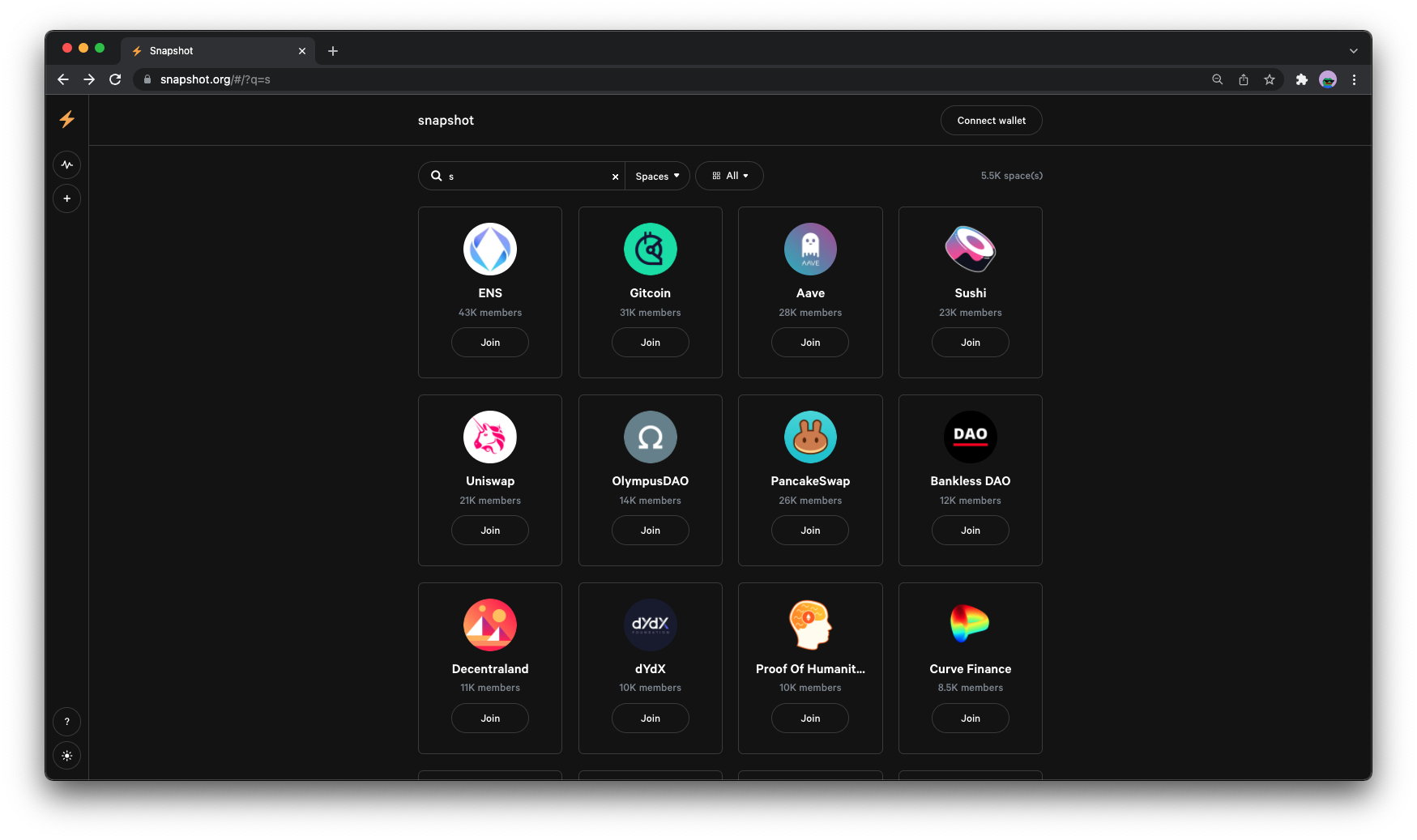
This verifiability streamlines governance processes and reduces friction in large, global communities. For example, when a proposal goes up for vote on platforms like Snapshot, only wallets holding the appropriate governance NFT can participate. This not only cuts down on fraudulent voting but also ensures that every participant’s voice is both counted and traceable on-chain.
Customizable Voting Power and Inclusive Governance
The flexibility of NFT-based governance allows DAOs to implement highly customized voting models. Badges can be programmed with metadata that reflects a member’s contributions, seniority, or specific roles within the organization. For instance, rare or achievement-based badges might carry more weight in critical decisions than basic membership badges.
This approach fosters meritocracy while still maintaining inclusivity: new members can earn participation-based NFTs by attending meetings or completing projects, gradually increasing their influence over time. Furthermore, integrating NFTs with off-chain voting platforms enables gasless voting, removing financial barriers and encouraging broader engagement across diverse socioeconomic backgrounds.
Key Ways DAOs Use Governance NFT Badges
- Unique Member Identification: Governance NFT badges act as digital IDs, ensuring each DAO member is uniquely identifiable and preventing duplicate or fraudulent voting.
- Proof-of-Participation: Members earn NFT badges for attending meetings or completing key projects, providing verifiable proof of engagement within the DAO community.

- Customizable Voting Power: DAOs use NFT badge attributes (like rarity or tenure) to assign different voting weights, supporting more nuanced and merit-based governance models.
- Gasless, Off-Chain Voting Integration: Platforms such as Snapshot allow DAOs to link governance NFT badges with gasless, off-chain voting, making participation more accessible and cost-effective.
- Transparent and Immutable Records: All badge issuances and voting activities are recorded on the blockchain, ensuring transparency and building trust among members and observers.

- Reward and Incentive Mechanisms: Some DAOs link NFT badges to token rewards or exclusive privileges, motivating members to participate actively in governance processes.
Transparency Through Immutable Records
The blockchain’s transparency is central to building trust within DAOs. Every issuance of an NFT badge - whether as proof of attendance or recognition of contribution - is permanently recorded on-chain. Similarly, all votes cast using these credentials are publicly auditable, allowing any community member or external observer to verify outcomes without relying on opaque intermediaries.
This level of transparency not only deters manipulation but also signals legitimacy to potential contributors and investors. As DAOs grow in complexity and scale, robust audit trails become indispensable for sustaining long-term trust and operational resilience.
However, the true power of governance NFT badges lies in their ability to align incentives and drive ongoing engagement. By linking badge ownership to tangible rewards, such as increased voting power, eligibility for contributor grants, or exclusive access to community resources, DAOs can motivate members to participate consistently and meaningfully. This approach not only rewards past contributions but also sets a clear path for new members to become more involved over time.
For example, some DAOs use tiered badge systems where members earn higher-level NFTs by completing verified tasks or attending key governance meetings. These badges may come with added privileges or responsibilities, creating a culture of merit-based advancement that is both transparent and fair. The result is a more engaged membership base and a governance structure that adapts organically as the community evolves.
Best Practices for Maximizing Impact
To fully realize the benefits of NFT-based governance, DAOs must be intentional about how they design and manage their badge systems. Best practices include:
Best Practices for DAO Governance NFT Badge Design
- Define Clear Badge Criteria: Establish transparent and objective requirements for earning governance NFT badges, such as participation in proposals, voting activity, or contribution milestones. This ensures fairness and motivates meaningful engagement.
- Integrate with Established Voting Platforms: Use reputable platforms like Snapshot to link NFT ownership with voting rights. Snapshot enables gasless, off-chain voting and supports custom strategies for NFT-based governance.
- Implement Badge Rarity and Weighting: Assign different voting weights or privileges based on NFT badge rarity or attributes. This allows DAOs to recognize and reward higher levels of contribution or expertise within the community.
- Ensure Transparent Distribution and Tracking: Use blockchain explorers like Etherscan to publicly verify badge issuance and ownership. This builds trust and allows members to independently audit governance processes.
- Regularly Audit and Update Governance Mechanisms: Periodically review badge distribution, voting models, and participation data to adapt to evolving community needs. Incorporate feedback and best practices from leading DAOs to maintain an effective and inclusive governance structure.
First, clear criteria should be established for each badge type, whether it’s tied to voting rights, project completion, or event participation. Transparent distribution mechanisms reduce ambiguity and foster trust among members. Regular audits of badge issuance and voting processes help identify potential vulnerabilities or biases before they undermine confidence in the system.
It’s also crucial for DAOs to remain adaptable as their communities grow and change. Regularly reviewing badge utility, updating metadata standards, and soliciting member feedback ensure that the system remains relevant and effective in supporting decentralized decision-making. For further strategies on implementation, see how to issue and manage governance NFT badges for DAO voting rights.
The Road Ahead: Evolving Standards for Decentralized Governance
The adoption of governance NFT badges marks a significant step forward in the evolution of decentralized organizations. As DAOs continue experimenting with new incentive models and cross-chain integrations, we can expect even greater sophistication in how participation is recognized and rewarded.
Looking ahead, interoperability between different DAO platforms, and even across blockchains, will likely become a key consideration. Standardized protocols for badge issuance, verification, and transferability could enable seamless participation across multiple communities while preserving individual reputations.
Ultimately, DAO voting transparency will hinge on continued innovation in verifiable credentials like governance NFT badges. As these tools mature, they offer an increasingly robust foundation for decentralized decision-making that prioritizes fairness, accountability, and broad-based engagement.


No comments yet. Be the first to share your thoughts!