

Online voting is the backbone of decentralized governance in DAOs and Web3 communities. Yet, achieving transparent, fair, and verifiable participation remains a challenge as these ecosystems scale. Enter NFT badges: unique, on-chain credentials that are revolutionizing how communities verify membership, assign voting power, and audit decision-making. By leveraging NFT voting badges, organizations can move beyond outdated token-weighted models to systems where influence is earned through genuine contribution and engagement.
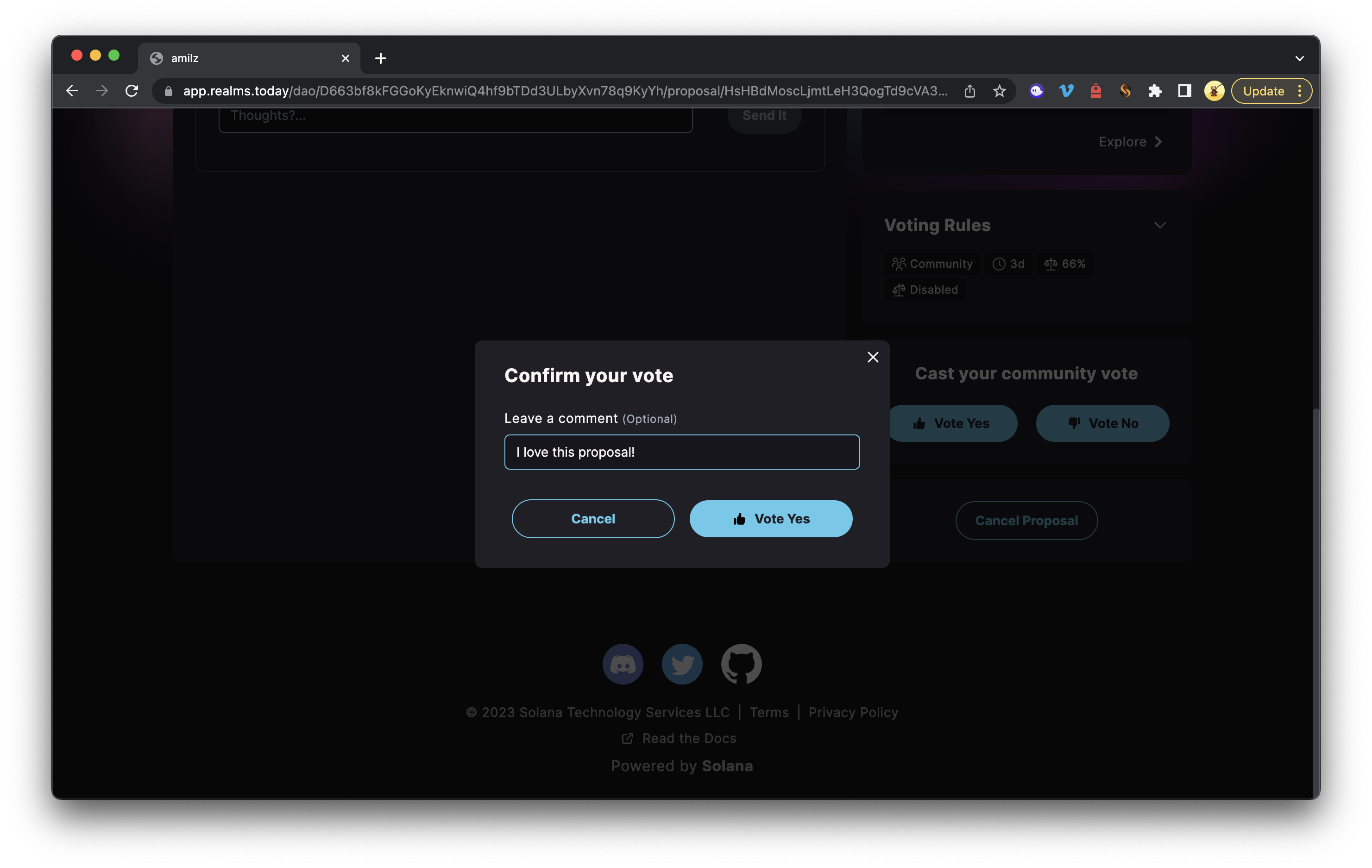
Why NFT Badges Are Transforming Online Voting
NFT badges serve as digital passports for DAO members. Unlike fungible governance tokens that can be bought or sold, these badges are typically non-transferable (often called "soulbound"), ensuring that each credential reflects a member's actual involvement or achievements. This distinction is crucial for transparent online voting on the blockchain: only verified contributors can participate, and each vote is tied to a unique identity rather than a wallet balance.
This approach addresses two major pain points in decentralized voting:
- Sybil resistance: By issuing one badge per verified member, DAOs prevent duplicate or fake accounts from skewing results.
- Merit-based governance: Voting power can be calibrated based on the type or number of badges held, rewarding those who actively build and support the community.
The result? Transparent online voting mechanisms where every action is traceable and every participant accountable.
NFT Voting Badges in Action: Real-World Use Cases
Innovative DAOs are already using NFT badges to redefine how decisions are made:
- Membership verification: Platforms mint verifiable NFT credentials for contributors who complete onboarding or meet specific criteria. Only these badge holders gain access to governance proposals and votes.
- Contribution-based rewards: Community members who ship code, curate content, or lead initiatives earn special badges that grant additional voting rights, making governance more inclusive and dynamic.
- On-chain transparency: Every badge issuance and vote is recorded immutably on the blockchain. Anyone can audit the process at any time, fostering trust among participants. Learn more about this process at this deep dive into transparent DAO voting.
This system isn’t just theoretical, projects like FOMO HOUSE DAO use community badge NFTs both as proof of involvement and as governance tokens with real influence over protocol direction.
The Building Blocks: How to Implement NFT Badges for Voting
If your DAO or Web3 project wants to harness the power of decentralized voting NFTs, here’s how to get started:
- Define clear criteria for earning each badge: Whether it’s completing a set number of transactions or contributing to a major initiative, transparency in requirements ensures fairness from day one.
- Use secure minting platforms: Choose reputable tools that allow you to issue non-transferable (soulbound) NFT credentials tied directly to member wallets.
- Integrate with trusted voting platforms: Tools like Snapshot let you configure proposals so only certain badge holders can vote, or so each badge equates to a specific number of votes.
This layered approach makes it easy for organizations to evolve their governance systems over time while maintaining an auditable record of who did what, and why they have a say in future decisions. For more practical steps on deploying these tools effectively, check out our guide on assigning voting power with NFT badges.
As DAOs and Web3 communities mature, the nuances of NFT badge systems become even more apparent. Not only do these badges serve as transparent credentials, but they also enable dynamic governance frameworks that adapt to evolving community needs. For example, some organizations are experimenting with multi-tiered badge structures, think “Core Contributor, ” “Voting Champion, ” or “Proposal Author”: each conferring different levels of voting rights or proposal permissions. This modularity empowers communities to recognize a broader spectrum of contributions beyond just financial stake.
Continuous improvement is essential. Regularly auditing badge issuance criteria and voting outcomes helps DAOs remain resilient against manipulation or stagnation. Tools that visualize badge distribution and voting patterns can surface insights about engagement gaps or over-concentration of influence, prompting timely reforms. As new members join and roles shift, updating the badge system ensures ongoing fairness and relevance.
Best Practices for Transparent NFT Voting
- Prioritize non-transferable badges: Soulbound NFTs ensure reputation cannot be bought or sold, preserving integrity.
- Automate eligibility checks: Use smart contracts to issue badges based on verifiable on-chain actions, no manual gatekeeping required.
- Publicly document rules: Maintain open-source criteria for earning badges and exercising voting rights so anyone can verify compliance.
- Encourage ongoing feedback: Solicit input from community members to refine badge roles and governance logic as the organization grows.
The ultimate goal is not just transparency, but also increased participation and trust. When every member understands how their voice is counted, and sees that process reflected immutably on-chain, governance becomes less about speculation and more about stewardship. This approach also helps DAOs avoid common pitfalls like voter apathy, plutocracy, or opaque decision-making, creating a more vibrant ecosystem where contribution is both visible and valued.
If you’re looking for more technical details on integrating NFT badges into your DAO’s stack, explore our resources on member voting transparency. These guides cover everything from smart contract deployment to best practices in badge design for scalable governance.
Frequently Asked Questions About NFT Voting Badges
The future of decentralized decision-making hinges on systems that are both robust and adaptable. By adopting verifiable NFT credentials for governance, DAOs set a new standard for transparent online voting on the blockchain, one where every vote counts because every credential is earned. As these tools evolve, expect to see even richer forms of community recognition and participation shaping the next wave of digital organizations.




No comments yet. Be the first to share your thoughts!