

In 2025, DAOs are setting new standards for contributor recognition with governance NFT badges. These non-transferable NFTs are more than digital flair - they’re on-chain credentials that anchor voting rights, reputation, and community engagement to actual contributions. If your DAO is ready to move beyond basic tokenomics and reward real participation, mastering the process of issuing governance NFT badges is essential.

Step 1: Define Contributor Roles and Badge Criteria Aligned with DAO Governance Structure
The foundation of a robust badge system is clarity. Start by mapping out the key roles and contributions that drive your DAO’s mission. Are you recognizing code commits, proposal authorship, governance call attendance, or event organization? Each badge should reflect a specific achievement or responsibility within your governance structure.
Set explicit criteria for each badge. For example: "Moderator Badge" for members who facilitate five governance meetings; "Developer Badge" for those who ship critical protocol updates; "Community Lead Badge" for orchestrating major events. This alignment ensures badges are meaningful - not just collectibles but trusted proof of value delivered to the DAO.
For a deeper dive into transparent contributor recognition strategies, check out this guide on how DAOs can use NFT badges.
Step 2: Select a Trusted NFT Badge Issuance Platform with On-Chain Verification and Role Management
With your badge criteria set, it’s time to choose an issuance platform built for DAOs. In 2025, platforms like Otterspace have become industry leaders by offering non-transferable badge protocols designed specifically for decentralized organizations. The key features you need:
- On-chain verification: Every badge must be minted as a verifiable credential tied to the recipient’s wallet address.
- Role management tools: Assign permissions or voting rights based on badge ownership - not just token balance.
- User-friendly dashboards: Make it easy for contributors to view their achievements and for admins to manage issuance workflows.
This approach guarantees that recognition is earned (not bought or transferred), keeping your governance meritocratic and transparent. For practical tips on choosing the right tools, see our resource on streamlining governance with NFT badges.
Step 3: Mint, Distribute, and Publicly Showcase Governance NFT Badges to Recognized Contributors
The final step is where the magic happens: minting and distributing your badges on-chain. Use your chosen platform’s interface (or smart contract API) to issue each badge directly to qualifying contributors’ wallets. Make sure each NFT includes detailed metadata - contributor identity (or pseudonym), date of issuance, specific role or achievement - so every badge tells a verifiable story.
But don’t stop at distribution! Publicly showcase these badges in your DAO’s dashboard or member directory. This transparency not only boosts morale but also signals trustworthiness and accountability across the web3 ecosystem. As more DAOs adopt this standard, these badges will become powerful cross-community credentials - portable proof that someone didn’t just participate in governance but shaped it.
To maximize impact, integrate your badge system with governance tools like Snapshot, enabling voting rights and proposal access to be tied directly to badge ownership. This ensures only verifiable contributors influence key decisions, reducing the risk of sybil attacks and token-weighted manipulation. Plus, when badges are visible in your member directory or DAO dashboard, it’s easy for anyone to audit who’s making a difference, and how.
For DAOs serious about scaling participation and reputation, this public recognition is a game-changer. Contributors gain portable credentials that travel with them across projects, while organizations build a transparent history of who’s actually moving the needle. As more DAOs embrace these standards in 2025, expect to see a new class of web3 professionals whose on-chain resumes are built on real achievements, not just wallet balances.
- Boost engagement: When contributors know their efforts will be recognized with immutable badges, and that those badges unlock real influence, they’re far more likely to step up.
- Clarify responsibilities: Badges make it easy to see at a glance who holds which roles or has completed key contributions. This is crucial for onboarding new members and ensuring accountability.
- Build trust: On-chain verification eliminates ambiguity around credentials. Anyone can verify badge authenticity and provenance in seconds.
If you want more tactical advice on showcasing badges for maximum community impact (and how this ties into voting transparency), check out our guide on using NFT badges to boost participation.
Real DAOs Using Governance NFT Badges for Recognition
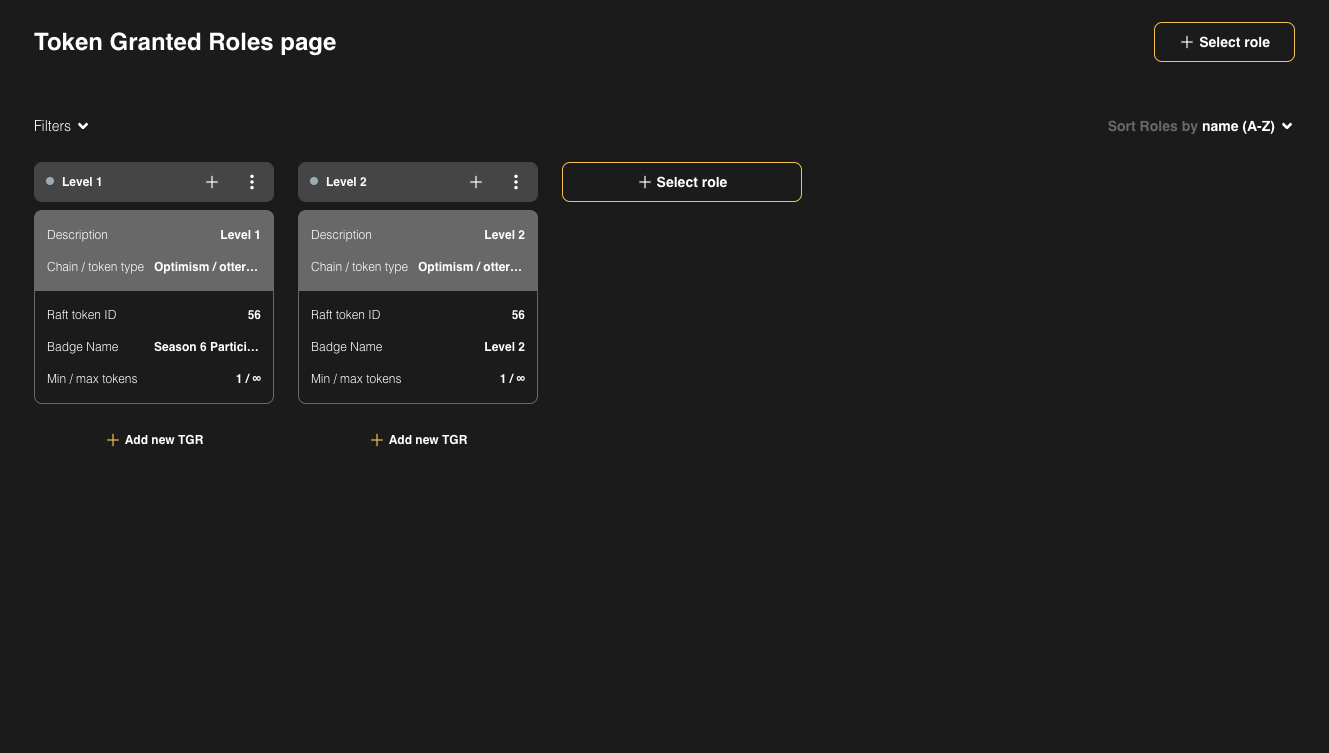
- Otterspace DAO: Define Contributor Roles and Badge Criteria Aligned with DAO Governance Structure — Otterspace DAO pioneered the use of non-transferable NFT badges, clearly outlining contributor roles such as community lead, developer, and moderator. Each badge is tied to specific, on-chain achievements and responsibilities, ensuring recognition is based on real contributions.
- BanklessDAO: Select a Trusted NFT Badge Issuance Platform with On-Chain Verification and Role Management — BanklessDAO leverages Otterspace’s badge protocol to issue verifiable NFT badges. The platform ensures badges are non-transferable and role-specific, providing transparent on-chain verification and seamless role management within the DAO.
- RootstockCollective: Mint, Distribute, and Publicly Showcase Governance NFT Badges to Recognized Contributors — RootstockCollective actively mints and distributes exclusive NFT community badges to contributors. These badges are showcased on public profiles, celebrating achievements like event participation and ecosystem contributions, and boosting engagement across the DAO.
What Comes Next?
The DAO landscape is evolving fast, what sets leading communities apart isn’t just tech, but culture. By embedding contributor recognition directly into governance via NFT badges, you’re not only rewarding past effort but actively shaping future participation. The result? More resilient organizations where decision-making power flows to those who earn it.
This meritocratic approach is already inspiring new forms of collaboration across DeFi, creator collectives, and protocol DAOs alike. In 2025 and beyond, expect governance NFT badges to become the gold standard for decentralized organization credentials, driving transparency, trust, and unstoppable momentum in web3 communities.




No comments yet. Be the first to share your thoughts!