
Picture this: You’re in a DAO, passionate about the mission, but every governance vote feels like a chaotic episode of "Whose Wallet Is It Anyway?" Enter DAO governance NFT badges – the web3 equivalent of a VIP lanyard and a voting megaphone rolled into one. These digital badges are transforming how decentralized organizations manage membership, recognize contributions, and streamline voting. If you thought NFTs were just for pixelated penguins and expensive jpegs, think again.

Why Are DAOs Ditching Old-School Governance for NFT Badges?
Let’s face it: traditional governance tokens have some baggage. They’re transferable (cue Sybil attacks), hard to track for reputation, and can leave contributors feeling like their efforts go unnoticed unless they’ve got deep pockets. NFT voting badges for DAOs flip the script by offering:
Top Benefits of NFT Badges in DAO Governance
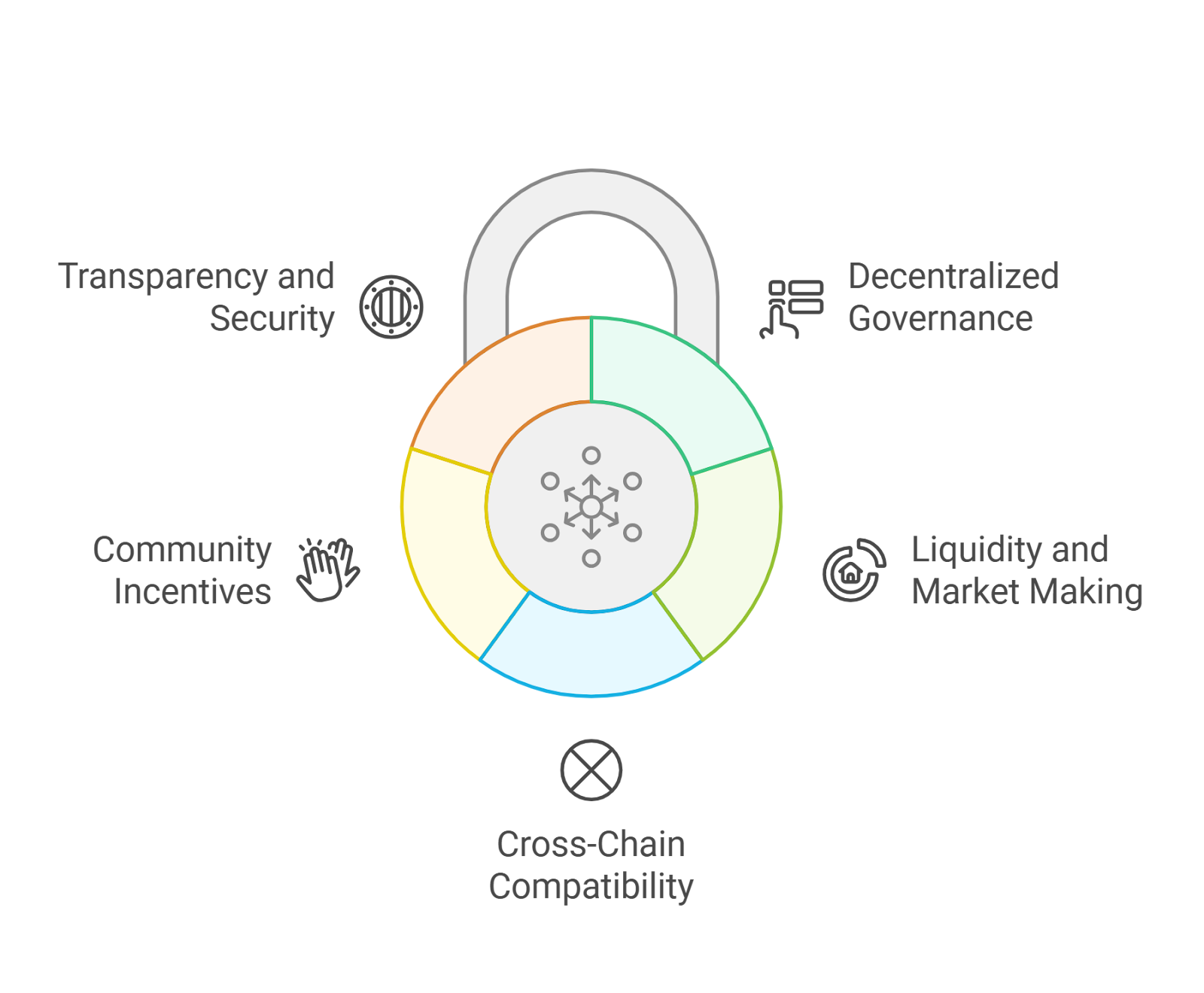
- Unique Member Identification: NFT badges serve as digital IDs, making each DAO member’s participation verifiable and unique. This cuts down on duplicate voting and keeps the process fair and transparent.
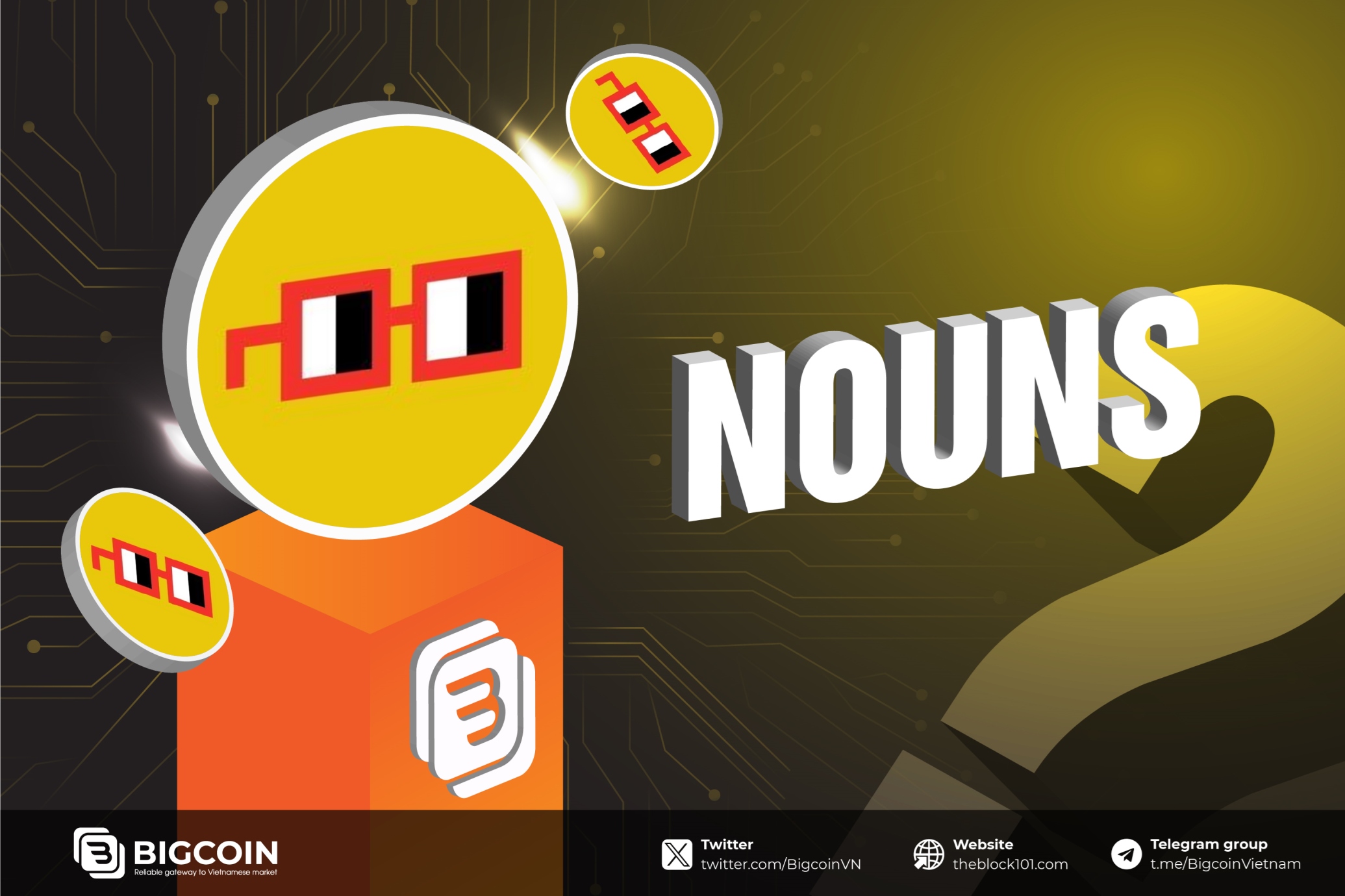
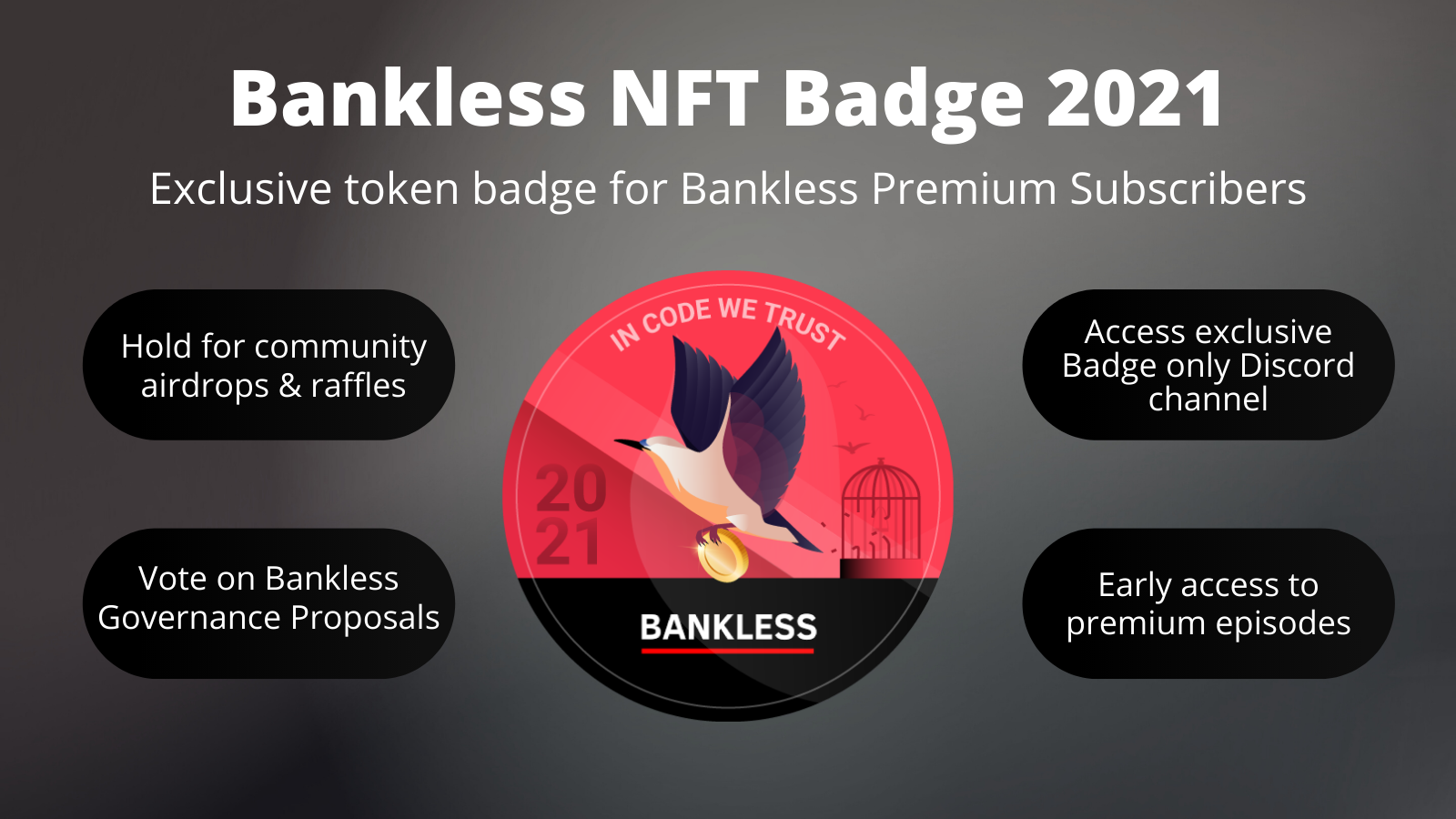
- Merit-Based Recognition: DAOs like MeritDAOcracy award NFT badges to contributors, giving them both governance points and public recognition for their efforts. It’s like a gold star, but on-chain!
- Weighted Voting Power: NFT badges can be programmed to grant different voting weights based on a member’s contributions. Platforms like Decent let DAOs fine-tune voting influence, so the most active members have more say.
- Seamless Integration with Voting Platforms: Tools like Snapshot recognize NFT ownership for gasless, transparent voting. This makes casting votes as easy as collecting digital trading cards—minus the bubble gum.
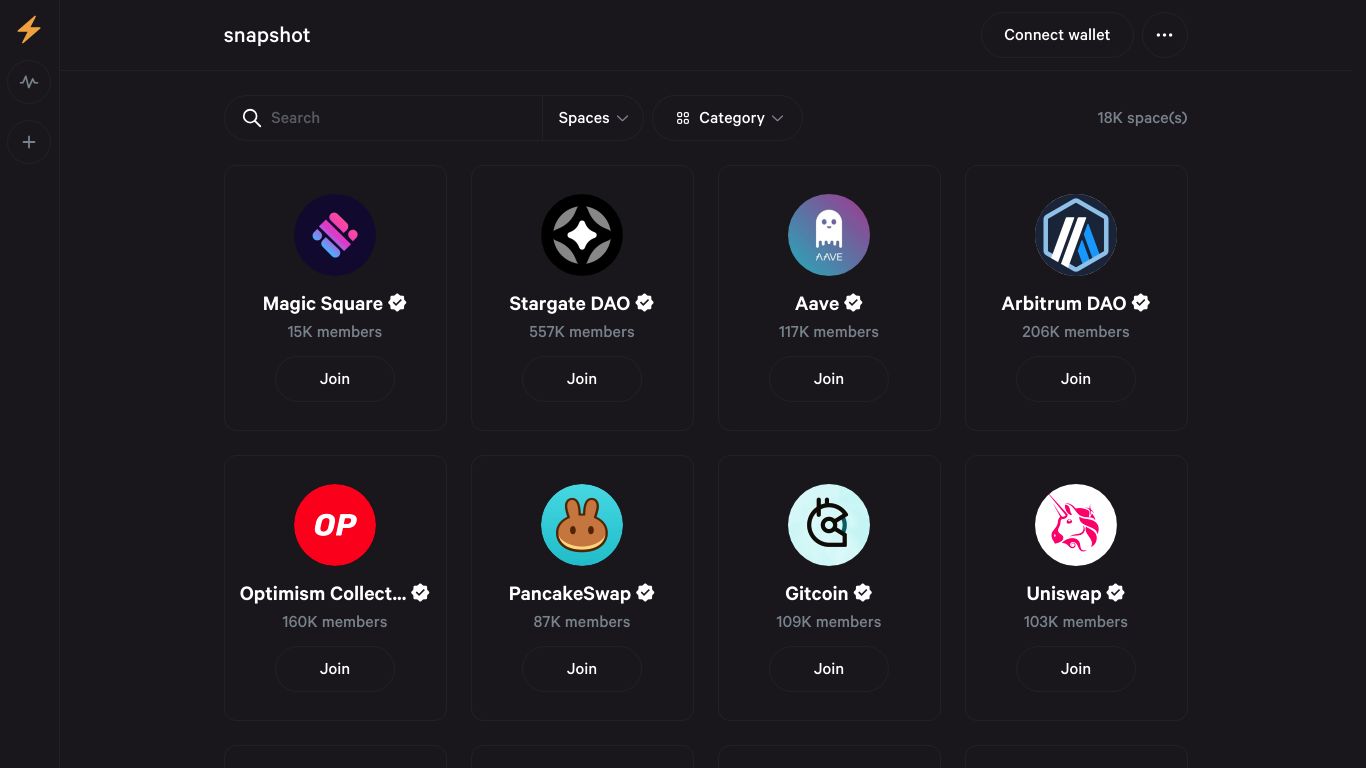
- Incentivized Participation: DAOs such as Gitcoin use NFT badges to motivate and reward active members, encouraging ongoing engagement and contributions.
- On-Chain Transparency: NFT badge issuance and voting records are publicly accessible on-chain, reducing information asymmetry and boosting trust in decision-making. No more secret handshakes—just open ledgers.

1. Unique Identity and Membership: Forget anonymous addresses, NFT badges act as digital fingerprints. Each badge is unique and verifiably tied to one member, which helps DAOs prevent duplicate votes and keep things fair (no more cousin Larry voting three times from different wallets).
2. Transparent Contributor Recognition: Ever completed a tough project only to get a lukewarm emoji in Discord? With contributor rewards NFTs, your effort is immortalized on-chain. Projects like MeritDAOcracy issue soulbound badges that not only say “Thanks!” but also grant real governance power based on your contributions.
The Mechanics: How NFT Badges Supercharge Voting
This isn’t just about looking cool at the next DAO meetup (though hey, style points matter). The real magic is in how these decentralized governance NFTs shape decision-making:
- Weighted Voting Power: Not all votes are created equal, nor should they be! DAOs can program badges with different weights based on merit or activity. Heavy lifters get heavier votes.
- Soulbound Security: Some DAO badges are non-transferable (soulbound), ensuring that recognition and rights stay with the actual contributor instead of being resold on OpenSea to the highest bidder.
- Smooth Integration: Platforms like Snapshot now recognize NFT-based credentials for gasless voting. Instead of tallying ERC-20s, they check who holds which badge, simple, secure, and way less drama.
NFT Badges in Action: Real-World Examples
If you’re still picturing this as theoretical web3 wizardry, think again. Here’s how leading projects are already putting NFT badge management to work:
- Gitcoin: Uses reputation-based NFT badges to reward developers who contribute meaningfully to open-source rounds, giving them more sway in future allocations.
- Nouns DAO: Issues daily NFTs representing membership and voting rights; holders get direct input into treasury decisions (and yes, those quirky pixel art heads are more than just collectibles).
- FOMO HOUSE: Community badge NFTs double as governance tokens, members with more engagement get extra influence over major decisions.
The best part? All this happens transparently on-chain. Anyone can audit badge issuance logs or check who voted for what, eliminating information asymmetries that plague traditional orgs. Want the nitty-gritty on transparency? Dive deeper over at How NFT Badges Enhance Transparency In DAO Decision Making.
The Participation Flywheel: Incentives That Keep Spinning
No one wants to be part of a ghost town DAO where five people do all the work while everyone else lurks silently (we see you!). By issuing web3 voting badge rewards for things like proposal writing or community moderation, DAOs create positive feedback loops that drive ongoing engagement.
When you know your next contribution could earn a badge that boosts your voting power or unlocks exclusive perks, it’s a lot easier to stay motivated. DAO contributor rewards NFTs aren’t just digital trophies, they’re reputation, influence, and sometimes even access to special events or working groups. The more you participate, the more your on-chain resume grows (and let’s be honest, who doesn’t love a little friendly competition for the top spot on the leaderboard?).
What Could Possibly Go Wrong?Challenges and Cautionary Tales
Now, before you start dreaming up your own DAO badge collection like it’s Pokémon for governance nerds, let’s get real about the hurdles. Implementing decentralized governance NFTs isn’t always plug-and-play. There are some speed bumps:
- Technical Complexity: Coding badge logic and integrating with voting platforms like Snapshot takes real smart contract chops. Not every DAO has a Solidity wizard on speed dial.
- Environmental Impact: Minting NFTs can be energy intensive (depending on blockchain choice). DAOs should consider eco-friendly chains to keep their carbon footprint in check.
- User Education: Not everyone in your DAO is a crypto native. Rolling out NFT badges means supporting members through wallet setup, badge claiming, and understanding new voting mechanics.
The good news? The tools are improving fast. Platforms like this guide to issuing and managing governance NFT badges make onboarding smoother than ever.
How to Get Started With NFT Badge Governance
If you’re itching to bring NFT voting badges into your DAO but don’t know where to start, here’s a quick hit list:
Checklist: Launching Your DAO's First Governance NFT Badge System
- Define Badge Purpose & Criteria: Decide if badges will represent membership, contributions, or voting rights. Set clear, measurable criteria for earning them. Tip: Look at MeritDAOcracy for inspiration.
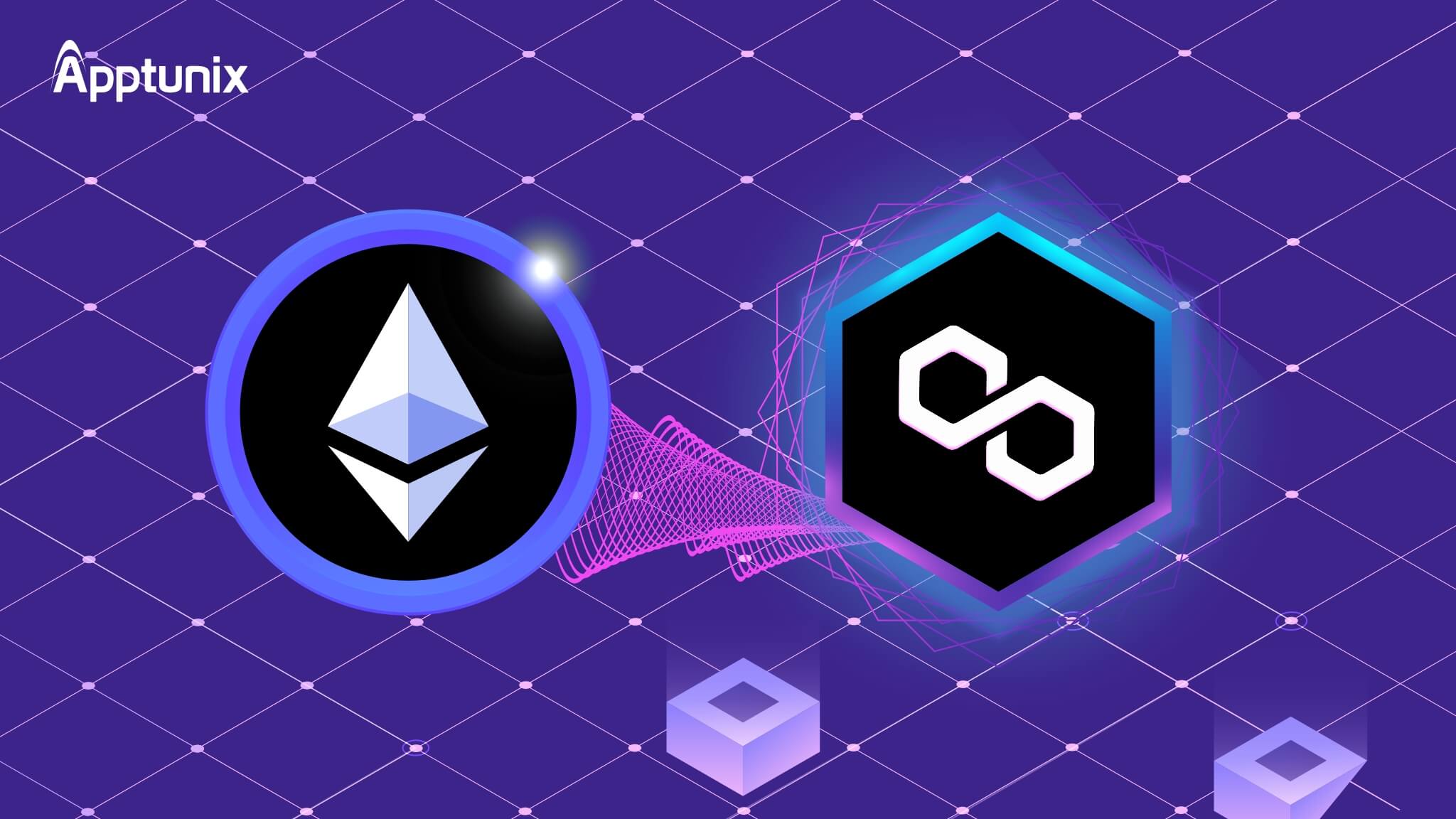
- Choose a Blockchain Platform: Select a network that supports NFTs and is energy-efficient. Ethereum is popular, but Polygon and Arbitrum offer lower fees and greener footprints.
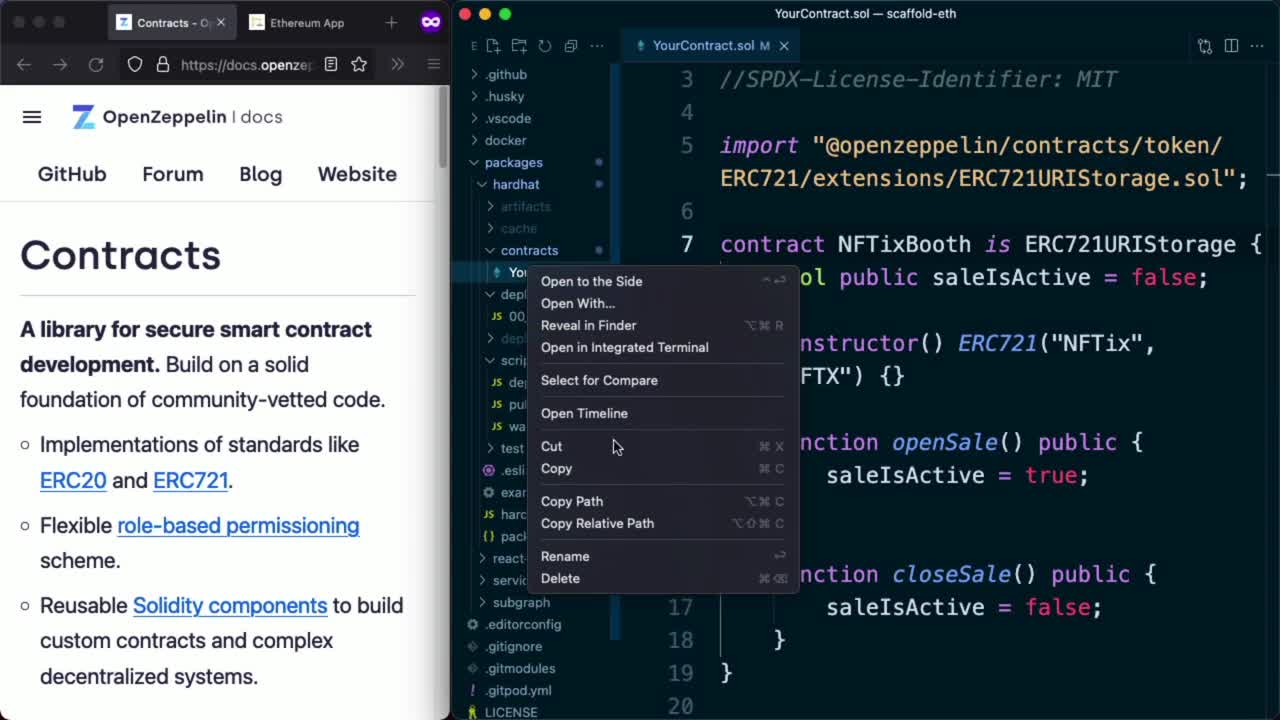
- Design Badge Smart Contracts: Work with a developer to create smart contracts for minting and managing badges. Use open-source frameworks like OpenZeppelin for security and reliability.
- Integrate with Voting Platforms: Connect your badges to a voting tool like Snapshot, which recognizes NFT ownership for voting power. Bonus: Snapshot enables gasless voting!
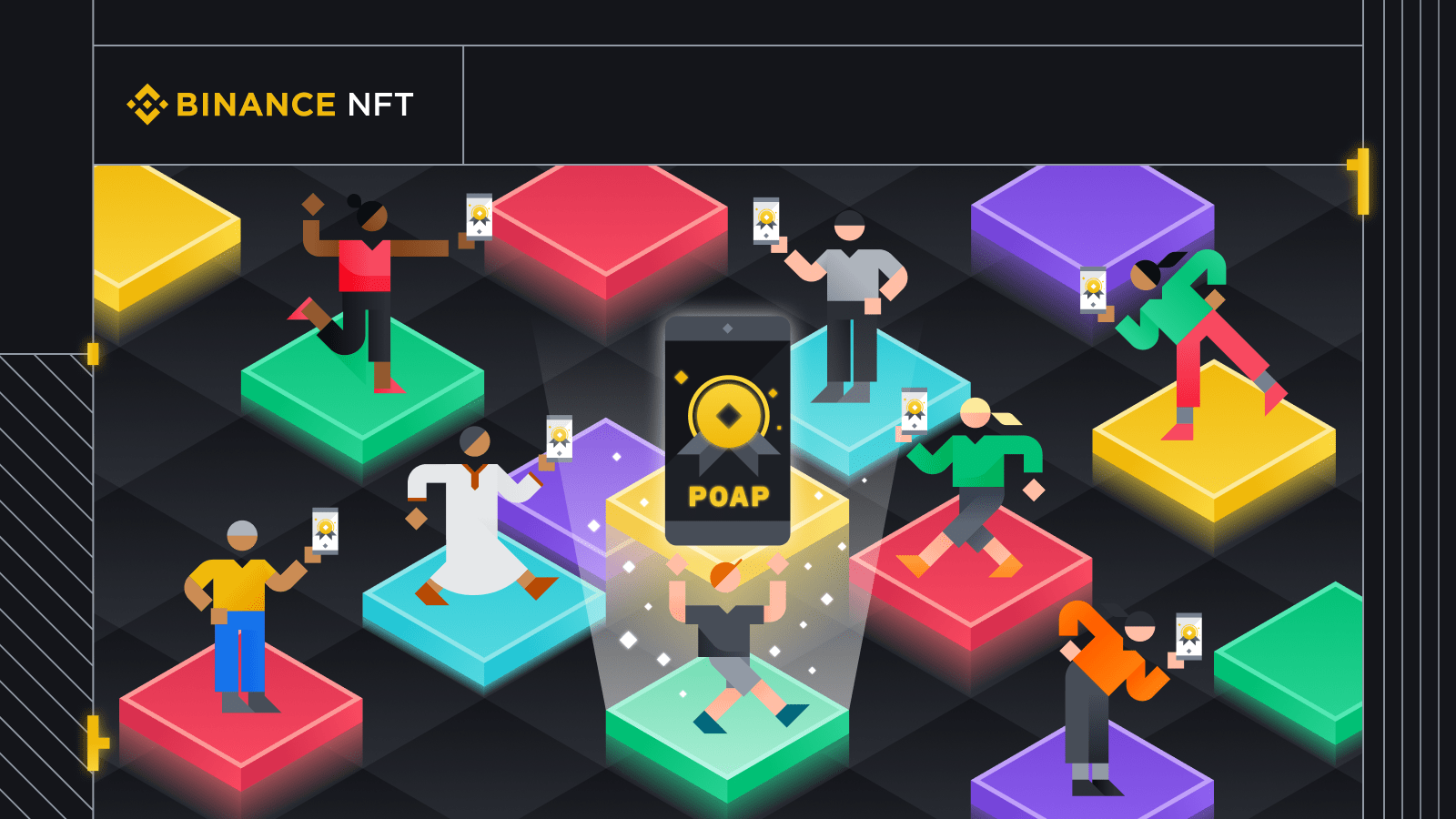
- Set Up Badge Issuance & Tracking: Make badge issuance transparent by logging all actions on-chain. Platforms like Decent and governancenft.com showcase best practices for on-chain transparency.
- Test the System with a Pilot Group: Run a test with a small group of members to catch bugs and gather feedback before a full launch. Pro tip: Use testnets like Goerli to avoid real costs!
- Educate Your Community: Share guides and host AMAs to help members understand how badges work and why they're awesome. Check out Gitcoin's community resources for ideas.
- Launch & Announce: Mint the first badges, announce across your channels, and celebrate your DAO's leap into next-gen governance! Consider a fun NFT badge airdrop to kick things off.
You don’t need to reinvent the wheel, learn from DAOs already using badges for transparent contributor recognition (pro tip: see what works at Gitcoin and Nouns DAO before writing any code).
The Future of Web3 Voting Badge ManagementIs Bright (and Hilariously Competitive)
The rise of NFT-based governance isn’t slowing down. As more DAOs look for ways to reward merit over mere wallet size, expect even wilder experiments with dynamic badge systems: think badges that evolve based on activity streaks or cross-DAO credentials that follow you from one project to another.
This shift toward transparent, verifiable participation is making DAOs more resilient, and honestly, a lot more fun. No more shadowy whales dominating votes from behind the curtain; instead, every member gets a shot at being recognized for what they actually do. The only thing left? Deciding which meme will be immortalized as next month’s “Top Contributor” badge art.
If you’re ready to level up your decentralized org with NFT voting badges, or just want bragging rights for having the coolest digital lanyard in web3, now’s the time to dive in. For deeper dives into transparency or contributor recognition mechanics, check out our resources on transparent contributor recognition.




No comments yet. Be the first to share your thoughts!