

Decentralized Autonomous Organizations (DAOs) are redefining how communities collaborate, make decisions, and reward contributors. At the heart of this transformation are governance NFT badges: unique, on-chain credentials that serve as both proof of participation and mechanisms for assigning voting power. Unlike traditional governance tokens, these badges offer a nuanced, transparent, and tamper-proof method for tracking engagement and distributing influence within DAOs.
How NFT Badges Track Contributions in DAOs
DAOs thrive on active participation but have long struggled to fairly recognize the diverse ways members contribute. Enter NFT badges for transparency: by minting badges tied to specific actions, like coding, moderating, or leading initiatives, DAOs create a public, immutable record of each member’s impact. For example, Gitcoin DAO’s “Kudos” NFTs visually document open-source contributions in real time, allowing anyone to verify a contributor’s history at a glance.
This system isn’t just about vanity metrics. It fundamentally changes how reputation is built and maintained in decentralized communities. Members can showcase their badges as digital resumes, while DAOs use these records to identify high-value contributors for future projects or leadership roles. The result? A more meritocratic ecosystem where recognition is earned and verifiable.
Assigning Role-Based Voting Power with Governance NFT Badges
One of the most compelling uses of DAO NFT badges is assigning voting power that accurately reflects a member’s role or reputation, not just their token holdings. This approach helps DAOs move beyond plutocracy (where wealth equals influence) toward systems where actual participation drives governance rights.
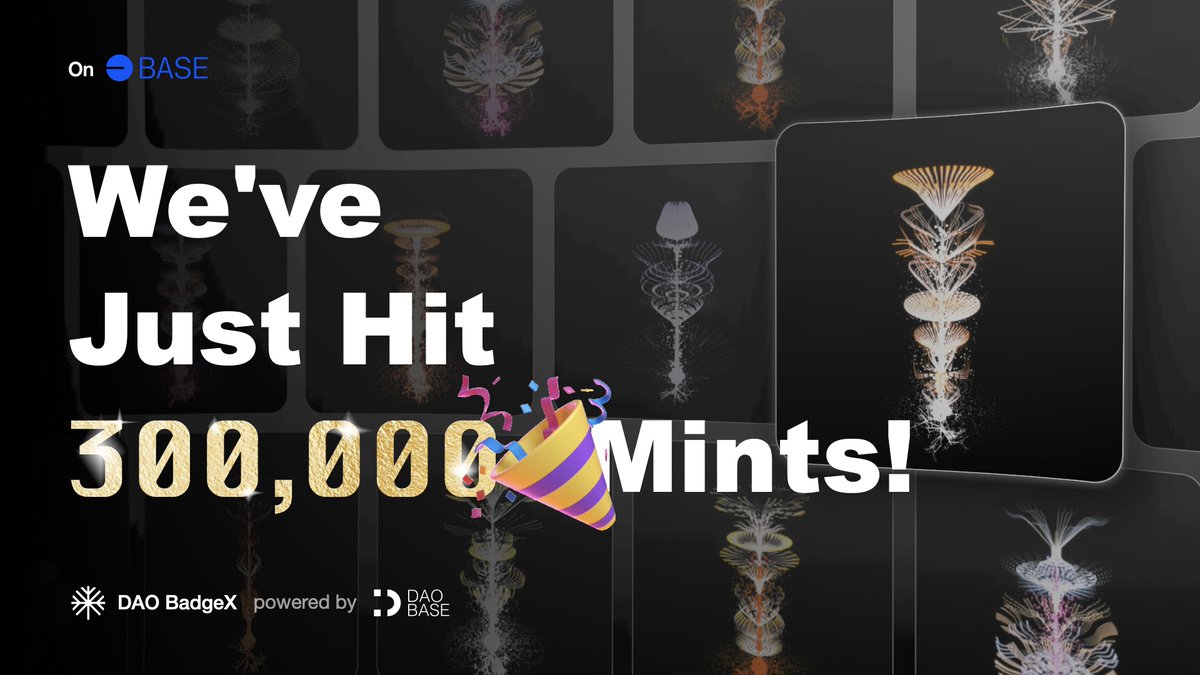
Dynamic badge systems, such as those implemented by DAOBadgeX on DAOBase, allow voting power to grow as members contribute more over time. For instance, someone who consistently leads projects or mentors newcomers might receive a “Core Contributor” badge that carries extra weight during votes compared to a standard membership badge. This ensures that influence aligns with proven engagement rather than passive ownership.
Key Benefits of NFT Badges for DAO Voting Power
- Transparent Contribution Tracking: NFT badges create an immutable, on-chain record of each member’s contributions, making participation and impact visible to all. For example, Gitcoin DAO issues “Kudos” NFTs to contributors, ensuring transparent recognition.

- Role-Based Voting Power: NFT badges can grant customized voting rights based on a member’s role or reputation, ensuring influence aligns with real engagement. Platforms like DAOBadgeX by DAOBase enable dynamic, evolving voting weights.
- Unique Member Identification: Governance NFT badges act as tamper-proof digital IDs, preventing duplicate or fraudulent voting and supporting verifiable, pseudonymous participation. This reduces the risk of Sybil attacks and ensures fair governance.
- Boosted Engagement and Trust: Collectible NFT badges motivate members to contribute and stay active, while public achievements build community trust. Bankless DAO uses “Bankless Badge” NFTs to reward event participation and project support.
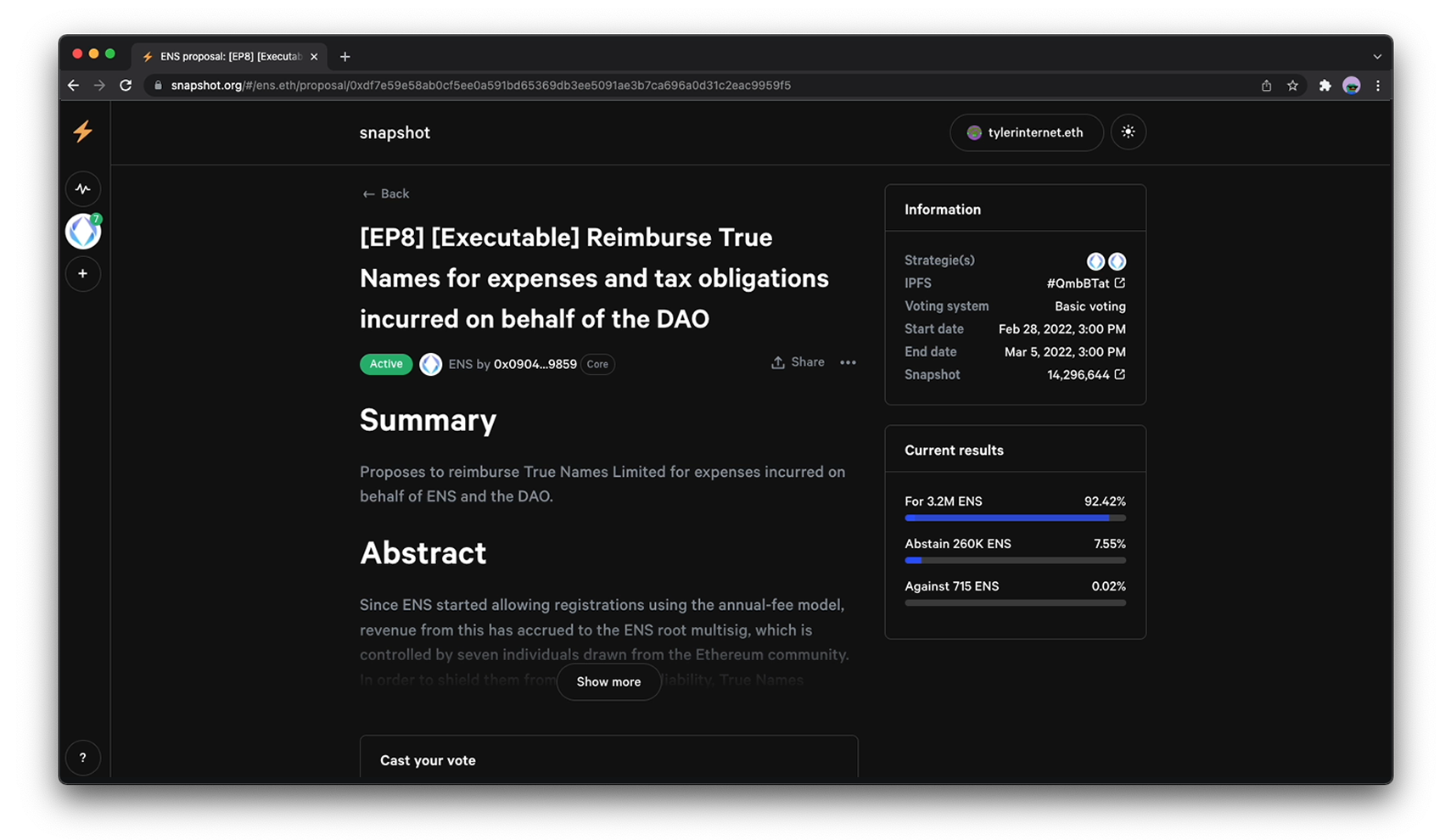
- Integration with Voting Platforms: NFT badge ownership can be linked to voting rights on platforms like Snapshot, enabling nuanced governance models where badges such as “Senior Contributor” carry extra weight.
Preventing Fraud and Building Trust Through Unique Digital IDs
Pseudonymity is a core value in web3, but it also opens the door to Sybil attacks and duplicate accounts skewing votes. Governance NFT badges solve this by acting as non-transferable digital IDs (sometimes called soulbound tokens). Each badge is tied to an individual’s wallet and cannot be duplicated or sold. This means every vote can be traced back to a unique participant without compromising privacy.
The transparency of NFT-based identity fosters trust within the community while maintaining the ethos of decentralization and privacy. Members know their voices count, and only once, while outsiders can audit governance processes via public blockchain data.
Boosting Engagement with Participation Rewards
The gamification aspect shouldn’t be underestimated either. Many DAOs issue collectible NFT badges not just for major achievements but for ongoing engagement, attending events, joining working groups, or supporting proposals all become visible milestones on-chain. Bankless DAO’s “Bankless Badge” NFTs are a prime example: they reward everything from event attendance to project support, creating an incentive loop that keeps members motivated and invested in the DAO’s success.
By making these achievements visible and verifiable, DAOs foster a culture where active members feel seen and valued. This, in turn, drives higher retention rates and encourages new participants to get involved. As more communities adopt DAO participation rewards, we’re seeing a shift from passive token holding to dynamic, merit-based engagement that benefits both individuals and the collective.
The flexibility of governance NFTs for DAOs also allows for creative reward structures. Some DAOs experiment with seasonal badges, limited editions for special contributions, or badges that unlock access to exclusive channels, content, or even BTC-based rewards as seen with RootstockCollective. These layers of utility transform badges from static collectibles into functional assets within the organization’s ecosystem.
Integrating NFT Badges with Modern Voting Platforms
The real magic happens when NFT badge ownership is linked directly to voting rights on platforms like Snapshot. Instead of every wallet getting one vote per token, DAOs can assign unique weights based on badge status, such as “Senior Contributor” or “Core Team”: enabling nuanced governance that scales with community complexity. Learn more about integration best practices here.
This approach not only increases fairness but also makes governance more resilient to manipulation. With transparent badge criteria and automated distribution via smart contracts, DAOs can ensure that only legitimate contributors shape key decisions, while newcomers have a clear path to earning greater influence over time.
Best Practices: Launching Your Own Governance NFT Badge System
Steps to Launch an NFT Badge System in Your DAO
- Define Contribution Metrics & Badge Criteria: Clearly outline which actions or achievements will be recognized within your DAO. Set transparent rules for how members can earn each NFT badge—such as coding, moderating, or project management contributions.

- Select a Badge Issuance Platform: Choose a reputable platform like DAOBadgeX by DAOBase or Gitcoin Kudos to mint and manage NFT badges on-chain. Ensure the platform supports non-transferable (soulbound) NFTs for reputation tracking.
- Design and Mint Unique NFT Badges: Collaborate with designers to create visually distinct badge artwork. Mint badges as NFTs with metadata detailing the achievement, date, and recipient for full verifiability.

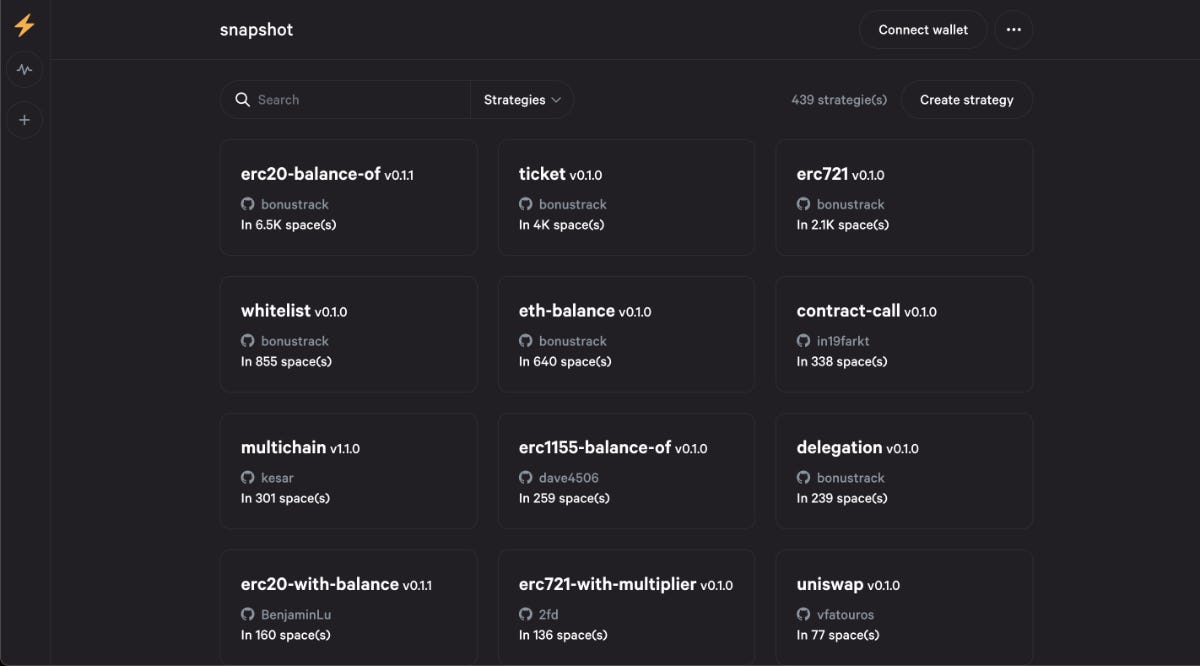
- Integrate Badges with Governance Tools: Connect NFT badges to governance platforms like Snapshot to assign voting power based on badge ownership. Configure dynamic or role-based voting weights as needed.
- Automate Badge Distribution and Updates: Use smart contracts or automation tools to issue badges in real time as members meet criteria. For dynamic badges, ensure ongoing participation triggers automatic upgrades or changes to voting power.
- Communicate and Onboard Members: Launch an internal campaign to educate members about the badge program, how to earn badges, and how badges impact voting rights and reputation within the DAO.
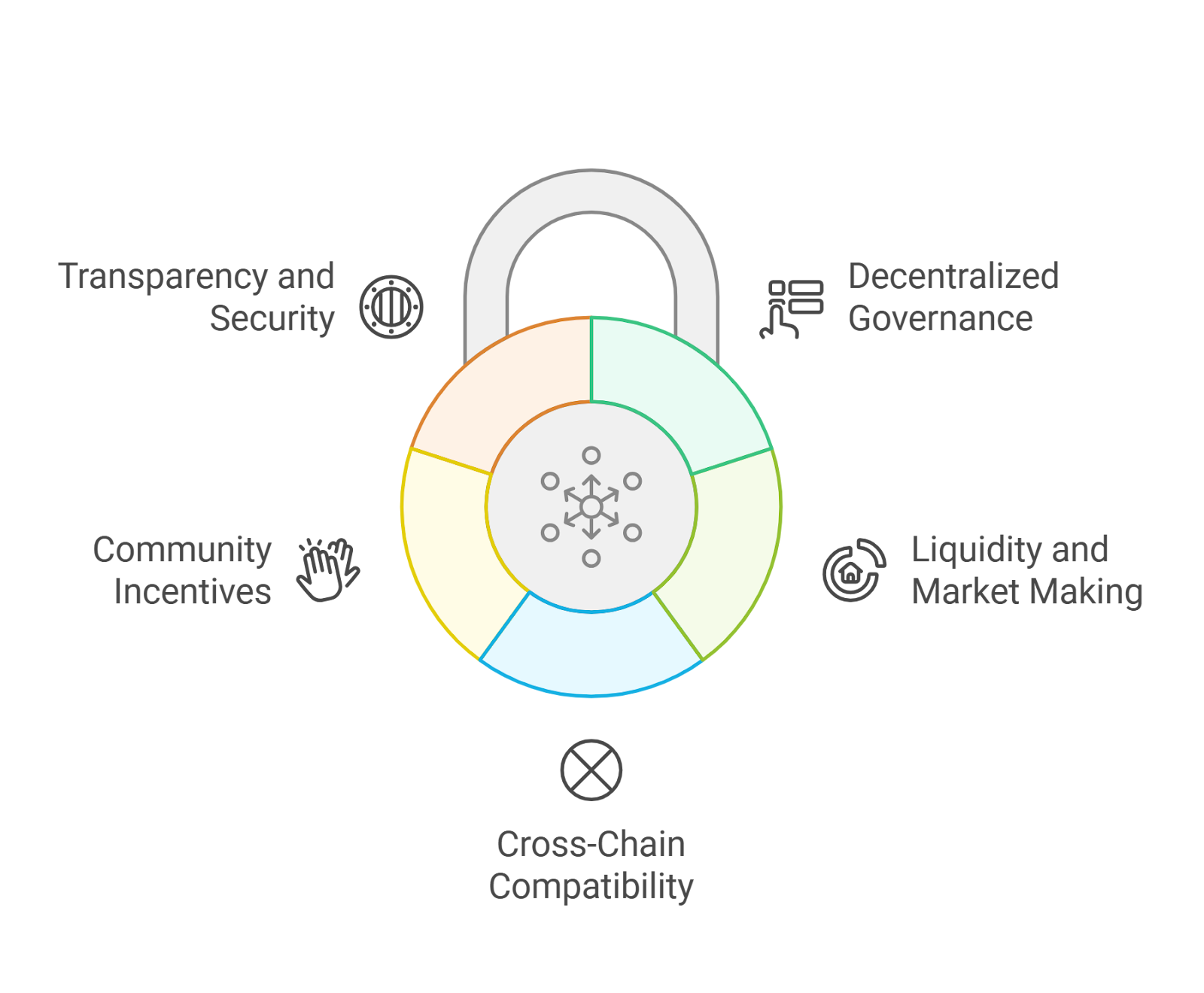
Success with DAO voting power NFTs hinges on thoughtful implementation. Start by defining clear contribution metrics, what actions matter most in your community? Collaborate on badge design that’s both visually distinctive and easy to verify on-chain. Choose platforms that support non-transferable (soulbound) NFTs if reputation tracking is critical, and always communicate transparently about how badges impact governance rights.
Automation is key: leverage smart contracts to mint and distribute badges in real time as members hit milestones. For dynamic roles or evolving responsibilities, ensure your system supports badge upgrades without manual intervention, this keeps governance agile as your DAO grows.
The Future of Transparent Governance
The adoption of NFT badges for transparency is accelerating across the DAO landscape, setting new standards for accountability, meritocracy, and engagement. As these systems mature, expect to see even deeper integrations between badges, voting mechanisms, and contributor incentives, creating decentralized organizations that are both robust and adaptable.
If you’re ready to explore how NFT badges can streamline your DAO’s governance, now is the time to act. The tools are here, and so is the opportunity to build a fairer, more participatory digital future.




No comments yet. Be the first to share your thoughts!